
Weather
Hurricane Erin – Where Is Hurricane Erin Going to Hit? 5 Alarming Updates You Need Now

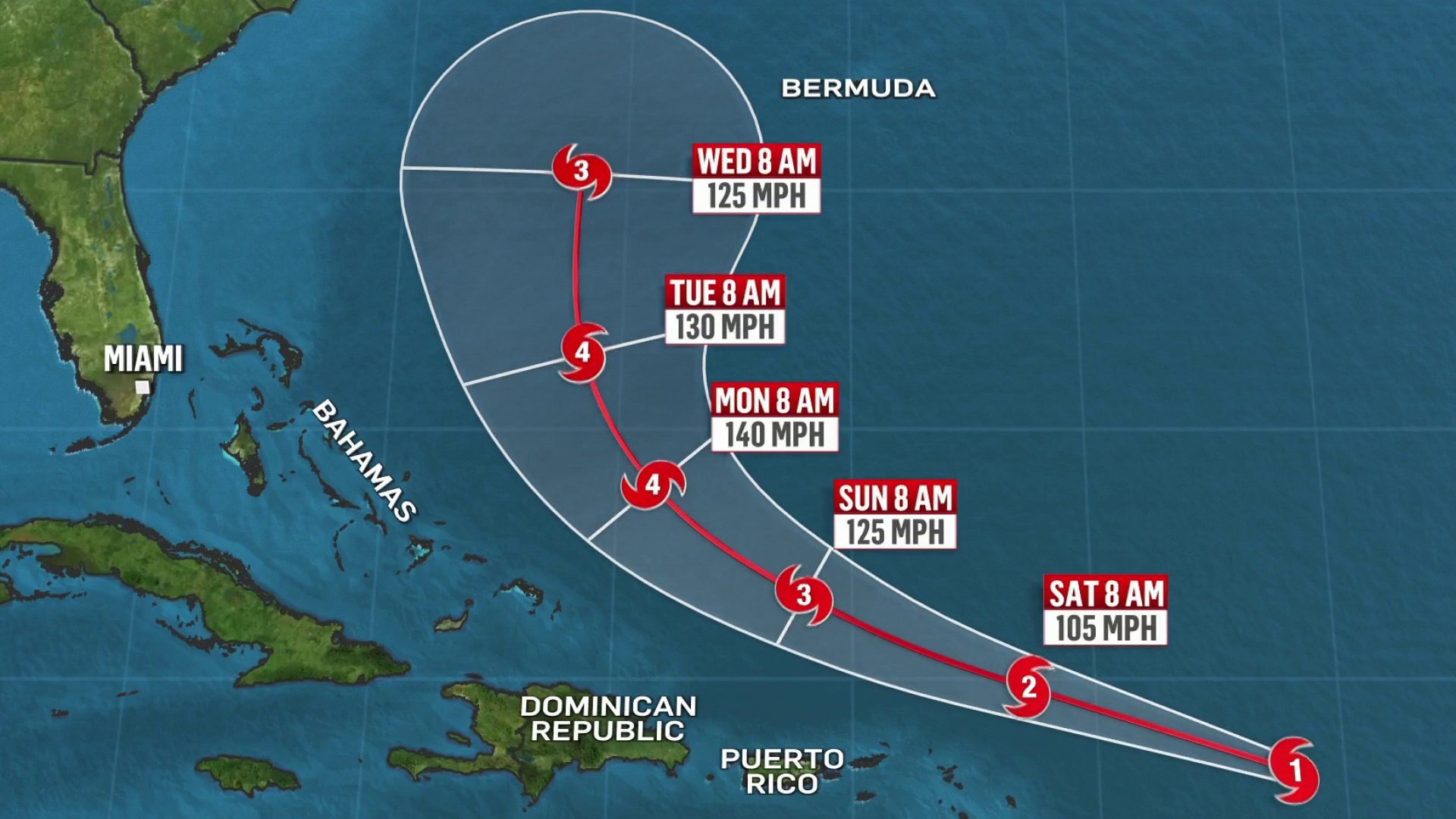
Table of Contents
Hurricane Erin, the first major hurricane of the 2025 Atlantic season, has stunned meteorologists with its rapid intensification, briefly reaching Category 5 strength before fluctuating in intensity. As it barrels through the Atlantic, millions are asking: Where is Hurricane Erin going to hit?
Hurricane Erin’s Current Path and Projected Trajectory
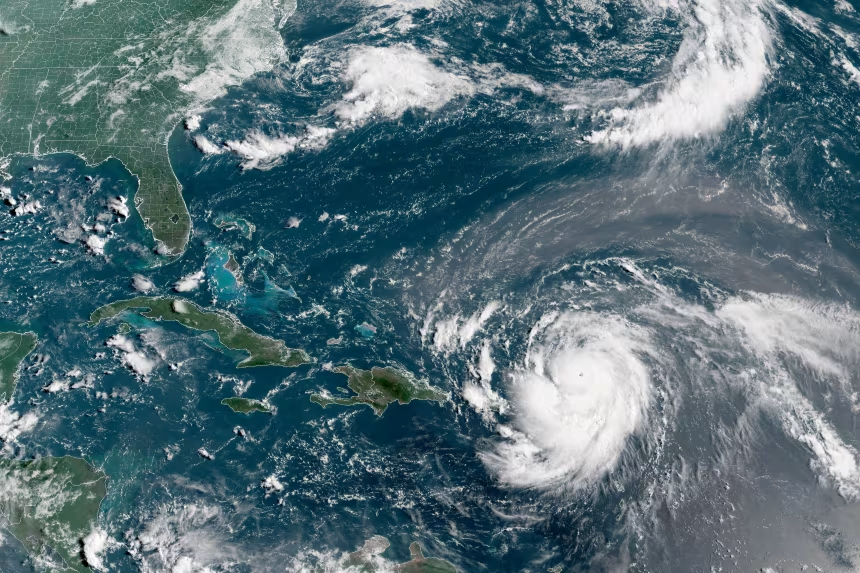
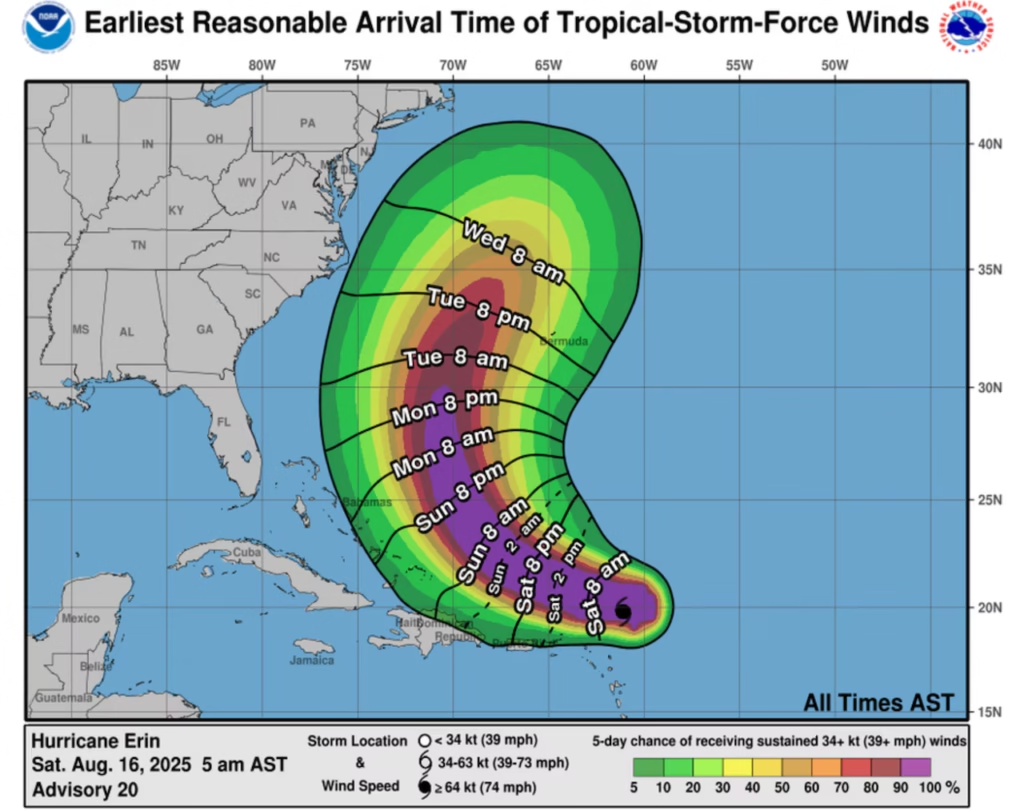
As of the latest update from the National Hurricane Center (NHC), Hurricane Erin is churning northeast of Puerto Rico, with maximum sustained winds of 125 mph (Category 3). While it is not expected to make direct landfall, its massive wind field (extending 205 miles) will bring dangerous conditions to:
- Northern Leeward Islands
- Virgin Islands
- Puerto Rico
- Turks and Caicos
- Bermuda & East Coast (indirect impacts)
🔴 Key Concern: Erin is forecast to regain Category 5 strength as it undergoes an eyewall replacement cycle, expanding in size and potentially tripling its wind field.
5 Critical Updates on Hurricane
- Historic Rapid Intensification – Erin exploded from 75 mph (Category 1) to 160 mph (Category 5) in just 24 hours, one of the fastest on record.
- Unusual Early-Season Strength – Only 43 Category 5 hurricanes have been recorded in the Atlantic, and Erin is the 11th since 2016.
- Life-Threatening Rip Currents – The U.S. East Coast, Bahamas, and Atlantic Canada will face dangerous surf conditions next week.
- Flash Flooding & Mudslide Risks – Puerto Rico and nearby islands could see 4-6 inches of rain, triggering floods.
- Port Closures – The U.S. Coast Guard has shut down ports in Puerto Rico and the Virgin Islands.
Will Hurricane Erin Hit the U.S.?
The good news is that Erin is expected to curve northward, avoiding a direct U.S. landfall. However, its expanding size means:

- Beach erosion & rip currents from Florida to New England.
- Possible shifts in track could bring it closer to Bermuda.
Why Is Hurricane Erin So Dangerous?
- Warmer oceans due to climate change are fueling rapid intensification.
- Larger wind field increases storm surge and coastal threats.
- Early-season Category 5 storms are becoming more common.
What’s Next?
Residents in the Caribbean and along the East Coast should:
✔ Monitor NHC updates
✔ Avoid beaches due to deadly rip currents
✔ Prepare for power outages & flooding in affected areas
Stay alert—Erin’s path could still change.



Table of Contents
Senator Mark Kelly Vows to Fight DoD’s “Seditious” Claims and Threats to His Navy Rank & Retirement Pay
In an unprecedented political-military clash, Arizona Senator Mark Kelly is forcefully pushing back against Defense Secretary Pete Hegseth’s threats to strip his hard-earned Navy rank and retirement pay. The conflict erupted after Hegseth declared administrative action against the former astronaut and combat veteran, alleging that Kelly’s public statements amounted to “seditious” conduct.

A Stunning Accusation from the Pentagon
The controversy centers on a video message Senator Kelly released, urging troops to uphold their oath and refuse illegal orders. In a social media statement, Secretary Hegseth framed this as a “pattern of reckless misconduct” and initiated a formal 45-day process that could demote Kelly from his retired rank of Captain and slash his retirement pay. Hegseth also issued a formal censure letter to be placed in Kelly’s permanent military file, a move designed to tarnish a distinguished service record.

“In response to Senator Mark Kelly’s seditious statements… the Department of War is taking administrative action against Captain Mark E. Kelly, USN (Ret),” Hegseth’s statement read. The administrative review targets Kelly’s retirement grade, which directly determines his pension benefits.
Kelly’s Emotional and Defiant Response
Senator Mark Kelly—a 25-year Navy pilot, NASA astronaut, and husband to former Rep. Gabby Giffords—responded with raw emotion and resolve. He framed the Pentagon’s move as a blatant attempt by the Trump administration to silence dissent and intimidate retired officers.

“My rank and retirement are things that I earned through my service and sacrifice for this country. I got shot at. I missed holidays and birthdays. I commanded a space shuttle mission while my wife Gabby recovered from a gunshot wound to the head — all while proudly wearing the American flag on my shoulder,” Kelly stated.

He issued a powerful warning about the broader implications: “Pete Hegseth wants to send the message to every single retired servicemember that if they say something he or Donald Trump doesn’t like, they will come after them the same way. It’s outrageous and it is wrong. There is nothing more un-American than that.”
Kelly vowed not to be intimidated, pledging, “I will fight this with everything I’ve got — not for myself, but to send a message back that Pete Hegseth and Donald Trump don’t get to decide what Americans in this country get to say about their government.”
The Legal and Political Battlefield
The situation is legally complex because Mark Kelly, despite being a sitting U.S. Senator, remains subject to the Uniform Code of Military Justice (UCMJ) as a retired officer. The Pentagon had already launched an investigation into Kelly in November, signaling a mounting effort to penalize his outspoken criticism.
Analysts see this as a dangerous escalation in using military discipline for political retaliation. Targeting a sitting senator’s veteran status is virtually without modern precedent. Kelly’s decorated career—including combat missions, test pilot service, and commanding the Space Shuttle Endeavour—makes the threat to his rank particularly contentious.
What Happens Next?
The 45-day administrative clock is now ticking. Kelly and his legal team are expected to mount a vigorous defense, likely arguing that his statements are protected free speech and core to his role as an elected official. The case could spark a constitutional showdown over the rights of citizen-soldiers and the limits of military authority over retirees.
This high-stakes confrontation underscores a deepening national divide. For many, Mark Kelly embodies the archetype of the patriot: a veteran who continues to serve in Congress. For his critics in the administration, he’s a target for reprisal. The outcome will resonate far beyond one senator’s pension; it will test the very principles of speech, service, and separation of powers.
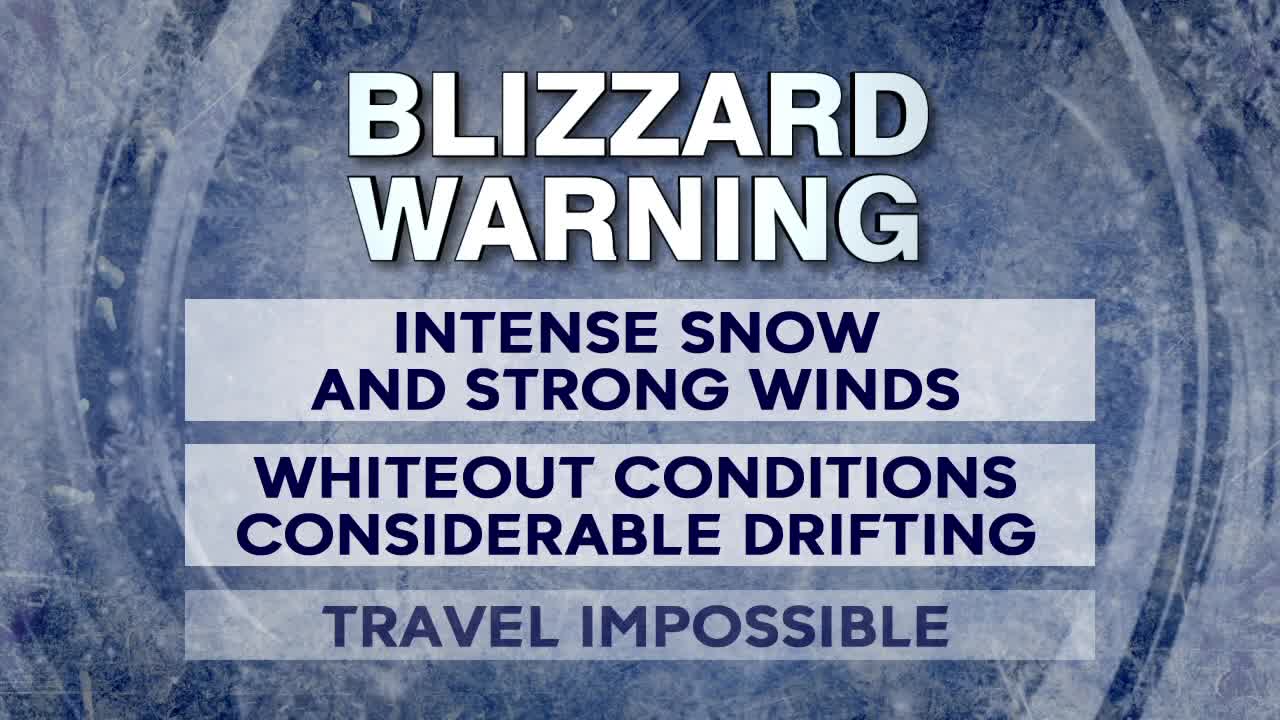
Table of Contents – Weather Blizzard Warning
Major Storm Paralyzes Western Washington: 250,000+ in the Dark, Blizzard Warnings Issued
A powerful and destructive storm system hammered Western Washington and the Inland Northwest overnight, leaving a trail of downed trees, widespread power outages, and dangerous blizzard conditions in the mountains. The severe weather has caused significant disruption, closing schools, blocking major highways, and posing a continued flood threat.
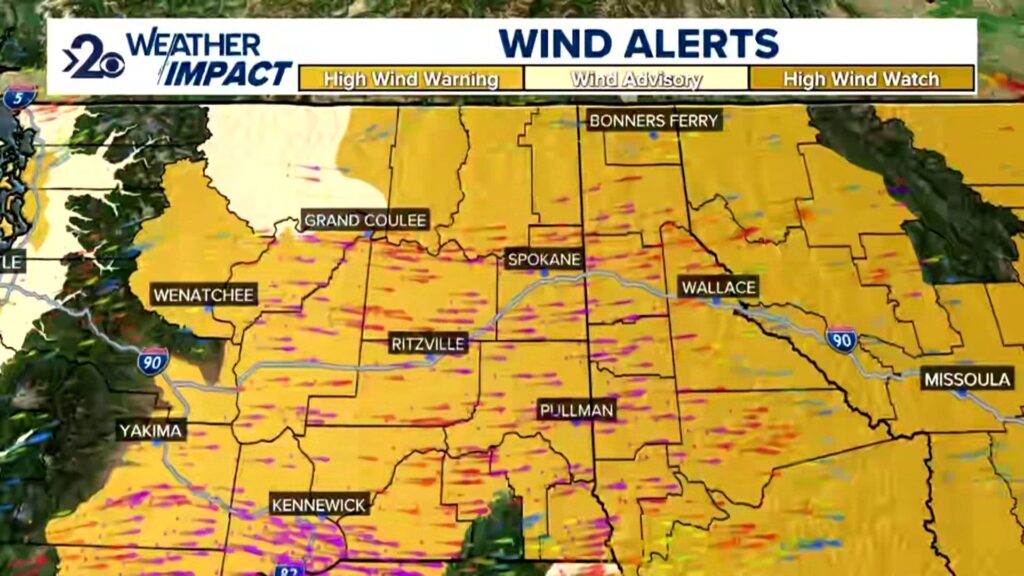
Storm Impact: Widespread Damage and Darkness
The storm’s ferocious winds, with gusts recorded at a staggering 112 mph at Alpental, were the primary culprit. The high winds toppled trees onto roads, homes, and power lines across the region. At its peak, over 250,000 customers were without power. Residents are urged to check the latest power outage numbers here for updates on restoration.
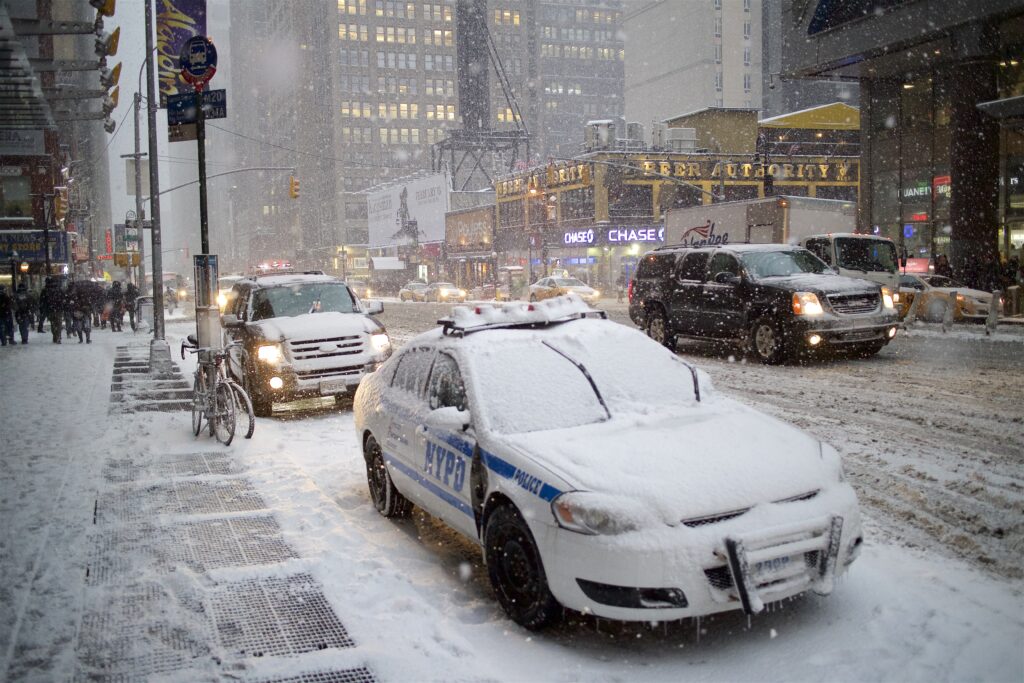
One of the most dramatic incidents occurred in Tacoma, where a fallen tree caused massive damage to a home. The saturated ground from days of heavy rain increased the risk of such events, as well as landslides.
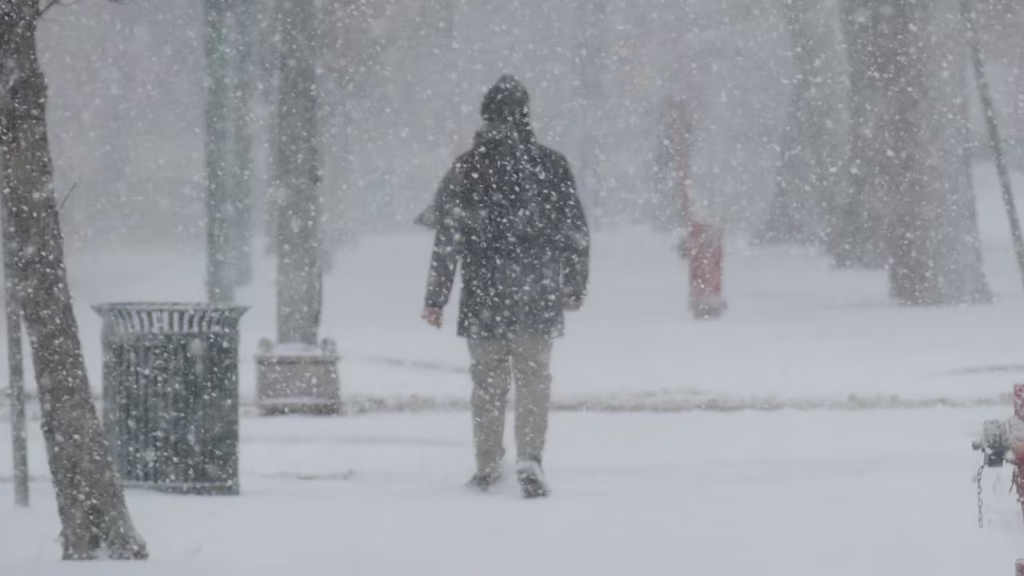
Travel Chaos and Mountain Blizzard Warnings
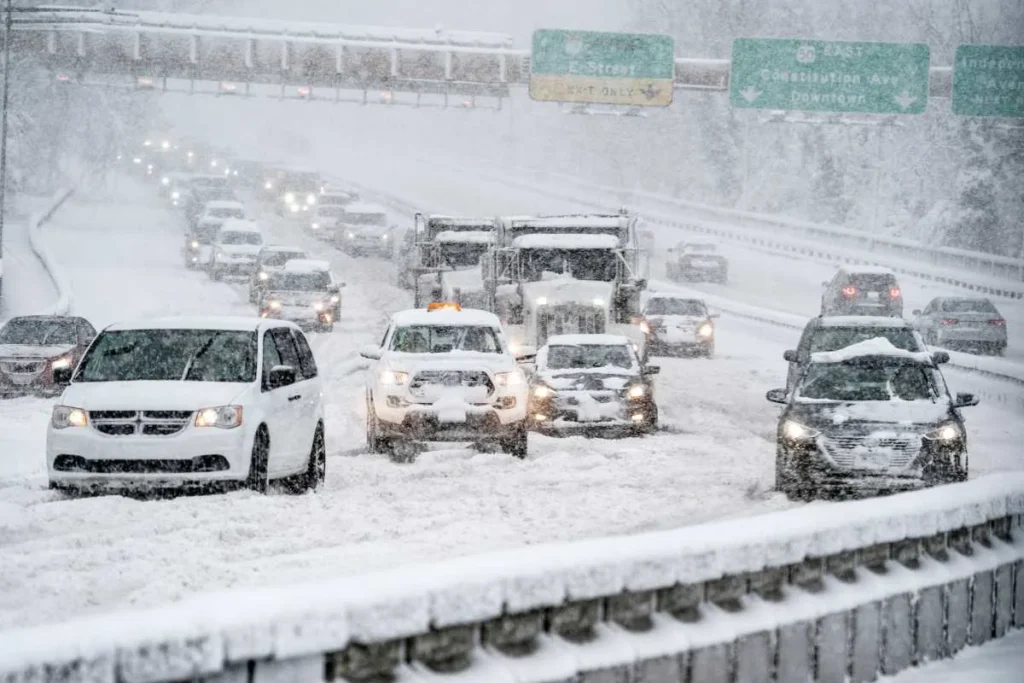
The storm’s impact on travel has been severe. Interstate 5 near Chehalis was blocked in both directions overnight due to downed live power lines. Similarly, US 12 at White Pass was closed Wednesday morning because of high winds and numerous fallen trees.
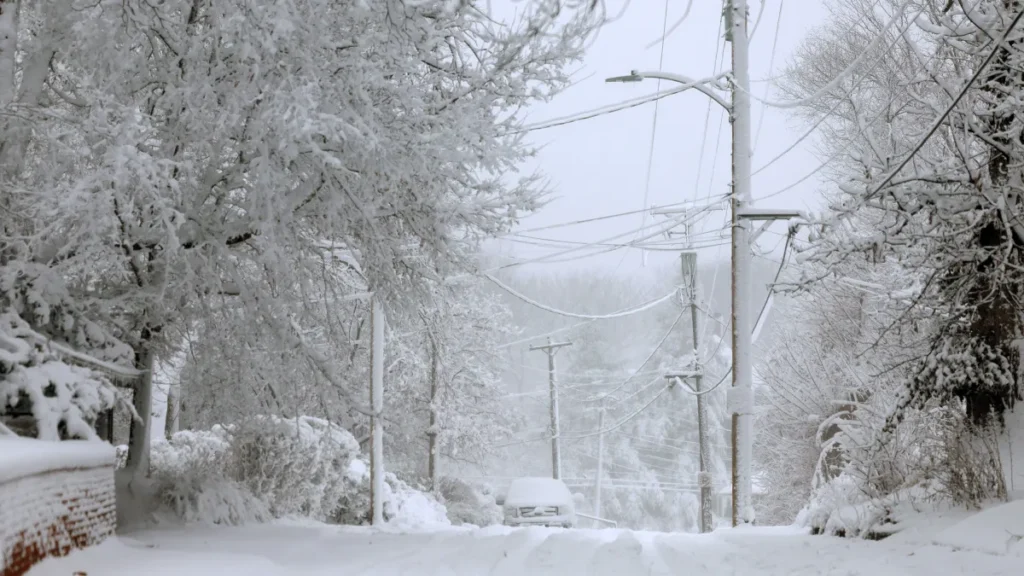
In the mountains, the situation is escalating. The National Weather Service has issued a blizzard warning effective through Wednesday noon, with heavy snow and intense winds creating whiteout conditions. Stevens Pass, Stehekin, and the Olympic Mountains are expected to see dangerous blizzard conditions. A summary of the powerful wind reports shows the scale of the event, with Snoqualmie Pass hitting 99 mph gusts.
School Closures Across the Region
The dangerous conditions have led to a cascade of school closures and delays. In the Spokane area and across the Inland Northwest, dozens of districts adjusted schedules for student safety. Major districts like Spokane Public Schools announced a 2-hour delay, while others, including Coeur d’Alene and Post Falls, closed entirely. A partial list of impacted schools includes:
- Spokane Public Schools: 2-Hour Delay
- Coeur d’Alene Public Schools: Closed
- Central Valley School District: Delayed Start
- Mead School District: 2-Hour Delay
Flooding Threat and Forecast Ahead
While winds are gradually subsiding in the lowlands Wednesday, the flood threat persists on several rivers. Some, like the White and Green rivers near Auburn, are expected to maintain very high flows into next week. Most rivers will crest Thursday morning before receding.
A second, weaker system is expected to bring more rain on Thursday, but with lower snow levels. The sun may make brief appearances Wednesday between showers, offering a respite, but the region is not in the clear yet. Friday and Saturday will remain breezy with passing showers.
Residents are advised to avoid travel, especially in mountain passes, check on neighbors, and stay updated with official weather blizzard warning alerts from the National Weather Service. With soil saturated and rivers high, caution is urged near any waterlogged areas or damaged trees.

Table of Contents – Travel Warning
U.S. Urges Caution: Travel Warning Issued for Mauritius Amid Crime Concerns
U.S. Embassy Raises Travel Alert for Mauritius, a Top Beach Destination
In a move that may disrupt vacation plans, the United States has escalated its travel advisory for the popular island paradise of Mauritius. The U.S. Embassy in Port Louis issued a Level 2 travel warning, urging American visitors to “exercise increased caution” due to a noted rise in crime targeting foreigners.

Why This Travel Warning Matters
Mauritius, famed for its stunning luxury resorts and pristine beaches, is a bucket-list destination for many. This new advisory places it on the same cautionary level as other tourist favorites like the Maldives, signaling a significant shift in safety perceptions. A Level 2 advisory is a serious alert, just one step below a recommendation to reconsider travel entirely.
The warning highlights a troubling trend of crimes ranging from opportunistic petty theft to more violent assaults, potentially shattering the idyllic image of this Indian Ocean getaway.

What Travelers Need to Know
According to the official embassy advisory, most crimes are crimes of opportunity. Key risk areas include:
- Crowded outdoor markets and shopping areas
- Popular beaches and tourist hotspots
- ATMs and bank locations
- Areas frequented at night
The embassy reports incidents of pickpocketing, purse-snatching, and break-ins. More disturbing offenses, including serious assaults, sexual assault, and harassment targeting solo female travelers, have also been documented.

6 Critical Safety Tips if You Travel
For those still planning a trip, the U.S. Embassy provides non-negotiable guidance:
- Do Not Resist Robberies: Your safety is more important than your belongings.
- Be Extra Cautious at Night: Avoid walking alone or in poorly lit areas after dark.
- Avoid Flaunting Wealth: Leave expensive jewelry and watches at home. Dress modestly to avoid drawing attention.
- Verify Visitors: Never open your hotel or rental door without confirming the identity of the person outside.
- Stay Vigilant: Maintain awareness in crowded places and at financial points like ATMs.
- Enroll in STEP: The Smart Traveler Enrollment Program (STEP) is essential. It provides critical updates and helps the embassy locate you in an emergency.
- Purchase Comprehensive Travel Insurance: Ensure your policy covers emergency evacuation, medical care, and trip cancellation.
Proactive Steps for Safer Travel
Beyond the embassy’s tips, experts recommend:
- Using hotel safes for passports and valuables.
- Making digital copies of important documents.
- Researching reputable tour operators and transportation services.
- Keeping family informed of your daily itinerary.
The Bottom Line
While Mauritius remains a beautiful destination, this updated travel warning is a powerful reminder that safety must come first. Conditions can change, so all travelers should consult the U.S. Department of State’s Mauritius Travel Advisory page for the latest updates before departure.
By enrolling in STEP, securing robust insurance, and practicing heightened awareness, tourists can better manage risks and focus on enjoying the island’s renowned beauty—safely.


Bills vs Lions: Thrilling Opener, Tough Test Ahead Tonight!!!

Maria Bartiromo’s Stunning Exit Brings New Hope for Her Future

Cardinals vs Cubs:Major League Thrilling Clash Brings Joy Despite Tough Blow

New Movies Streaming – 6 Must-Watch New Movies & Shows Streaming This Weekend (July 18 – 20)

Hollie Strano’s Incredible Comeback: 1 New Radio Gig After WKYC Exit

911 outage – Pennsylvania experiencing problems with 911 calls statewide
-
 Entertainment1 year ago
New Movies Streaming – 6 Must-Watch New Movies & Shows Streaming This Weekend (July 18 – 20)
-
 News1 year ago
Hollie Strano’s Incredible Comeback: 1 New Radio Gig After WKYC Exit
-
 News1 year ago
911 outage – Pennsylvania experiencing problems with 911 calls statewide
-
 News1 year ago
Type 1 Diabetes Barbie Doll – A Step Toward Inclusivity in Toys
-

 Entertainment11 months ago
Donna Jean Godchaux – Heartbreaking Loss: Music Legend Dies at 78
-

 Sports1 year ago
Liverpool vs Athletic Club: Squad Update – Van Dijk, Bradley, Alisson, Gomez Ruled Out
-

 News1 year ago
NYC Subway Flood – Live Updates: NYC Subway Flood Disrupts Commute After Flash Flooding
-

 News1 year ago
Jannik Sinner and Carlos Alcaraz set for Wimbledon final showdown after semifinal wins