Business
801 Chophouse’s Crisis Hits 50

Table of Contents – 801 Chophouse
Luxury Steakhouse Chain 801 Chophouse Files for Chapter 11 as Soaring Beef Prices Devastate the Restaurant Industry
A high-end steakhouse chain has become the latest casualty of skyrocketing beef costs and shifting consumer habits. 801 Restaurant Group LLC, the owner of the luxury steakhouse chain 801 Chophouse, has filed for Chapter 11 bankruptcy protection in a bid to restructure its mounting debts and keep its doors open. The petition was filed on April 10, 2026, in the U.S. Bankruptcy Court for the District of Kansas, listing both assets and liabilities in the range of $10 million to $50 million【1†L1-L5】【2†L5-L8】.
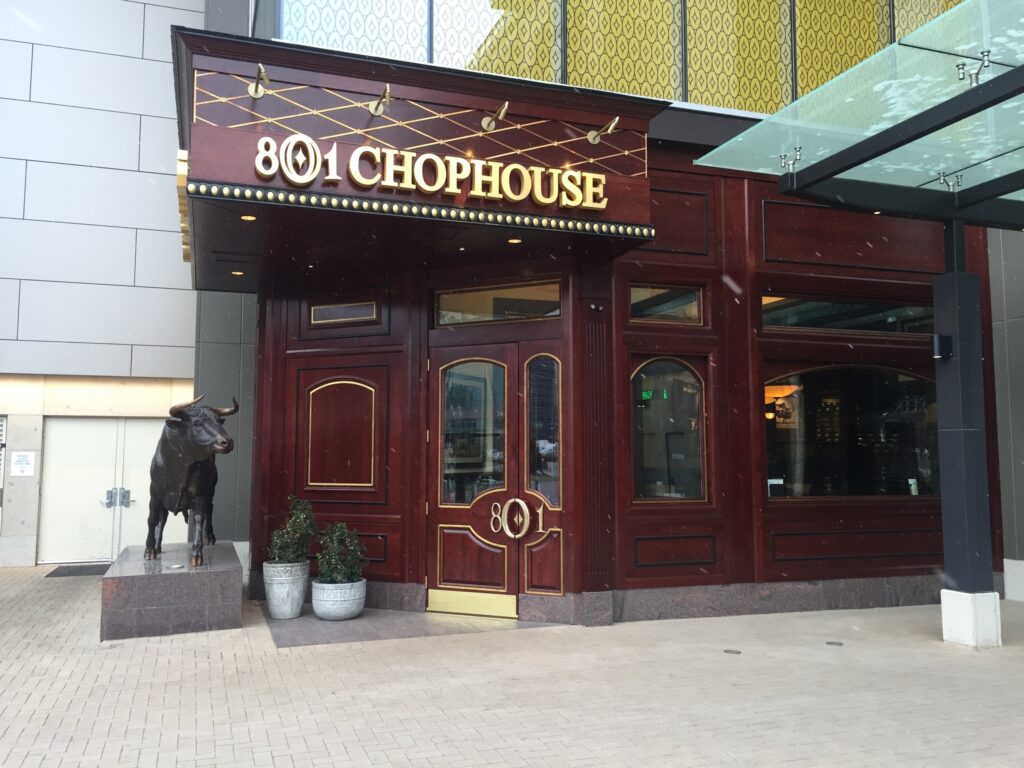
The bankruptcy filing highlights a perfect storm hammering the American dining landscape. For everyday consumers, the pain is showing up at both the supermarket checkout and the restaurant table. According to new data from the Federal Reserve Bank of St. Louis, beef prices have surged dramatically. In March 2026 alone, steak prices jumped 16% to an average of $12.73 per pound, while ground beef hit $6.70 per pound. Just five years ago, ground beef cost only $3.96 per pound, illustrating a staggering increase that is forcing families to rethink their grocery budgets【3†L1-L4】.
The root cause of this crisis is a dramatic supply shortage. The U.S. Department of Agriculture (USDA) reports that the nation’s beef cattle herd has shrunk to a 75-year low, with the total cattle and calf count falling to 86.2 million head【4†L1-L3】. This historic decline in supply is driving prices through the roof, and as prices climb, consumer demand inevitably slides, leaving restaurants trapped between high costs and falling sales.
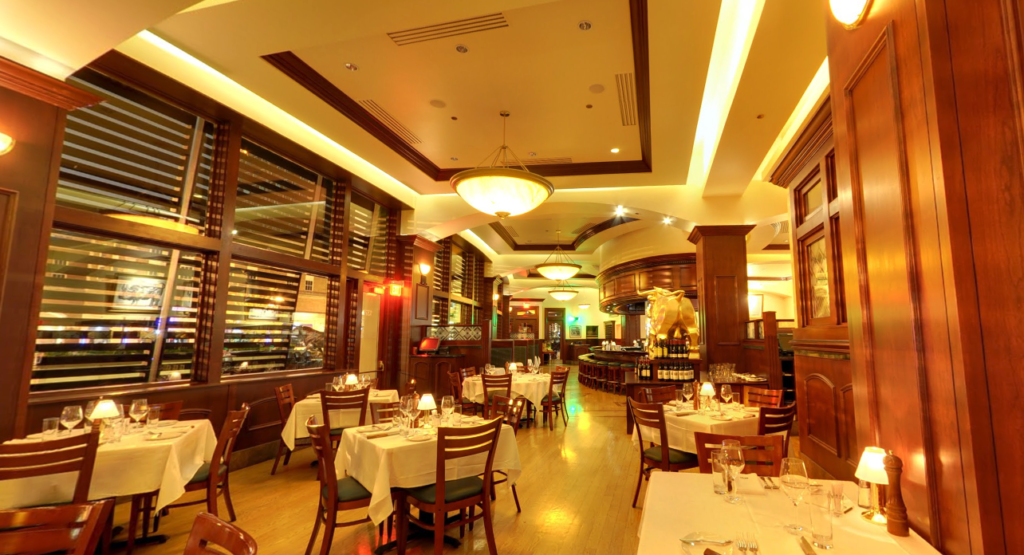
801 Chophouse is just the most recent high-profile name to buckle under these pressures. The chain, known for its opulent dining experience, operates eight locations across the heartland, including in Denver, Des Moines, Kansas City, Leawood (Kan.), Minneapolis, Omaha, St. Louis, and Tysons Corner (Va.)【2†L7-L10】. The company has already been forced to shutter an affiliate, 801 Nicollet in Minneapolis, which previously operated as 801 Fish, signaling ongoing financial distress before the bankruptcy filing.
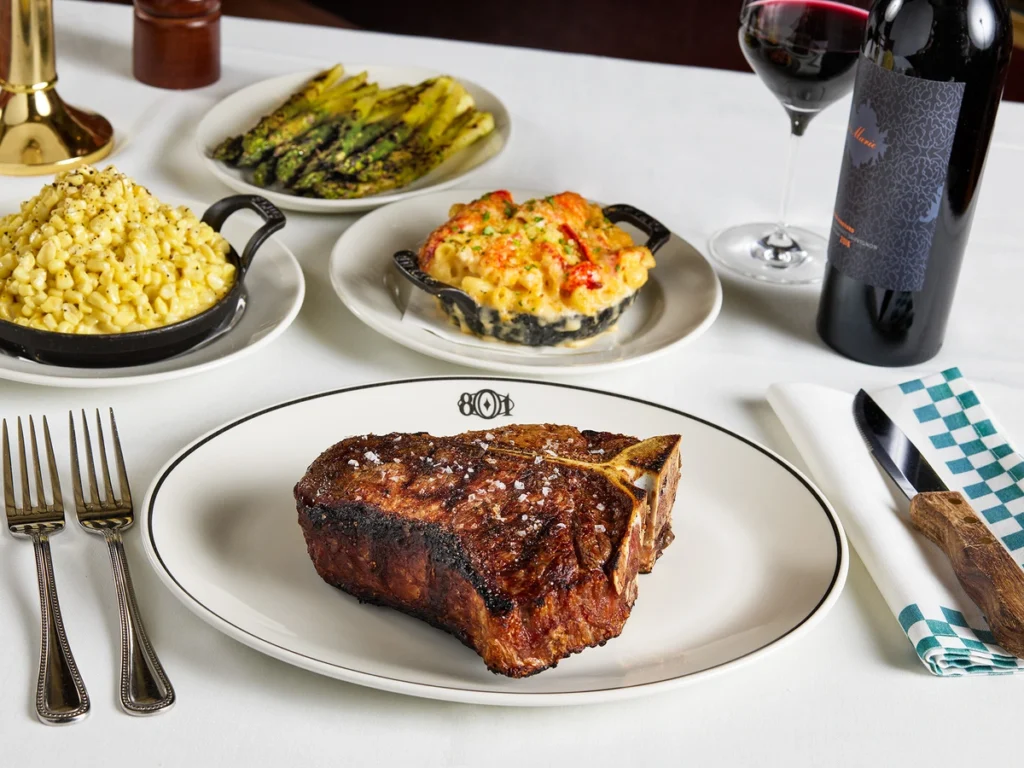
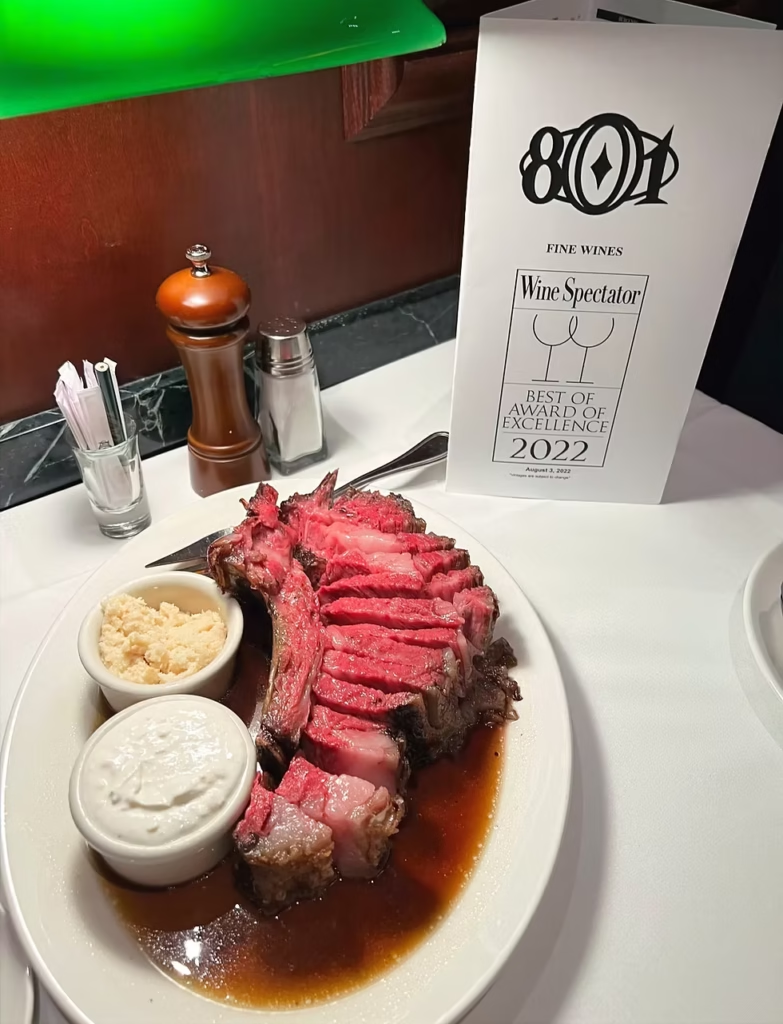
The menu prices at 801 Chophouse are a window into the economics of luxury dining during inflation. Despite the chain’s reputation for serving aged USDA prime cuts, Japanese Wagyu, and an award-winning wine list, the price tags are steep even for affluent diners. Current menu items include a Rosewood Ranches American ribeye for $145, a dry-aged porterhouse for $143, a 16-ounce wet-aged bone-in filet for $130, and a 12-ounce filet mignon for $87【5†L1-L3】. When the raw ingredient cost of beef jumps 16%, these already premium prices become even harder to justify, pushing customers to seek more affordable options.
Notably, 801 Chophouse is not alone in this struggle. Several large steakhouse chains have been forced to close dozens of locations just to stay afloat without needing bankruptcy protection. Bloomin’ Brands, the parent company of Outback Steakhouse, announced in 2025 that it would close 41 underperforming locations. More recently, the company confirmed it will shut its Fleming’s Prime Steakhouse in Houston’s Upper Kirby district on April 18, 2026, after a 25-year run, simply choosing not to renew the lease【6†L1-L5】.
Similarly, the once-mighty steak and seafood chain McCormick & Schmick’s, owned by Landry’s Inc., has been decimated. Once boasting 60 restaurants, the chain saw its count plummet to just 13 locations by the end of 2025 as sales declined by over 10% in a single year【7†L1-L4】.
For now, 801 Chophouse intends to continue operating its remaining restaurants while it navigates the bankruptcy process. The company, represented by Brown & Ruprecht PC, has not stated a specific reason for the filing beyond the economic pressures affecting the entire sector【2†L1-L4】. However, for steak lovers and industry watchers, the message is clear: The era of cheap beef is over, and the luxury dining sector is being forced to evolve or disappear.