
Business
Steelcase Stock Soars 45% as HNI Corporation Announces $2.2 Billion Acquisition Deal


Table of Contents
Steelcase Acquisition: Office Furniture Giant to Merge with HNI in Landmark Deal
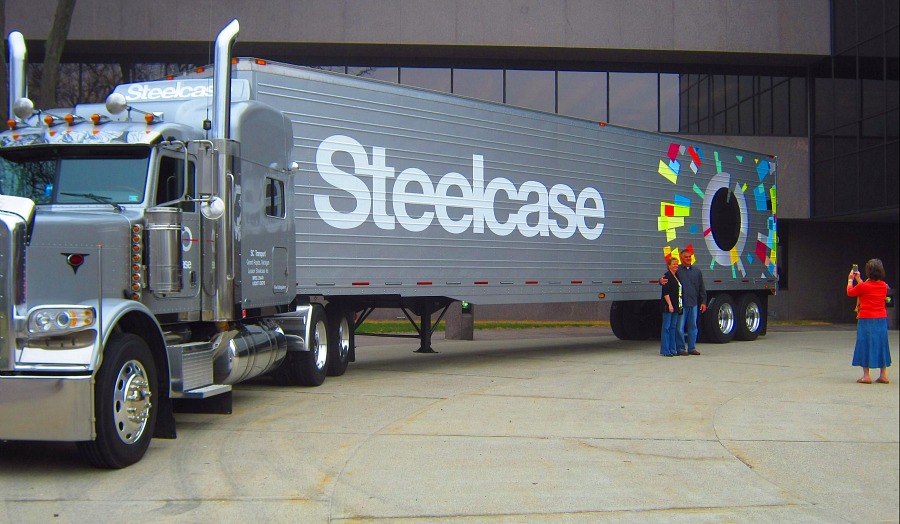
In a major corporate shakeup, Steelcase (SCS) stock skyrocketed over 45% in premarket trading after the company agreed to a $2.2 billion acquisition by rival HNI Corporation (HNI). The deal, structured as a mix of cash and stock, marks a significant consolidation in the office furniture industry, positioning the combined entity as a dominant player in workplace solutions.
Key Details of the HNI Merger
- Deal Value: $2.2 billion (cash and stock)
- Offer per Share: $7.20 in cash + 0.2192 HNI shares per Steelcase share
- Implied Purchase Price: $18.30 per share (nearly 80% premium over Steelcase’s last closing price of $10.18)
- Expected Closing: By the end of 2024
- Ownership Split: HNI shareholders to own 64%, Steelcase shareholders 36%
Why This Deal Matters for Steel case Investors
The acquisition comes as a massive win for Steel case shareholders, offering an 80% premium over Friday’s closing price. The Grand Rapids, Michigan-based company, a leader in office furniture, has faced challenges in recent years due to fluctuating demand in hybrid work environments. However, this deal signals strong confidence in the future of office spaces, with HNI aiming to leverage Steelcase’s brand strength and distribution network.
HNI’s Strategic Move: Expanding Market Dominance
HNI Corporation, headquartered in Muscatine, Iowa, is a major player in workplace furnishings and residential building products. The merger will combine two industry giants, creating a powerhouse with:
- Complementary geographic footprints
- Expanded dealer networks
- Stronger reach across corporate, healthcare, education, and hospitality sectors
Jeffrey Lorenger, HNI’s CEO, emphasized the strategic benefits:
“With the Companies portfolio of brands and as in-office work trends accelerate, we will be even better positioned to meet the evolving needs of the workplace, enhance dealer and customer relationships, unlock new opportunities for growth, and create compelling value for shareholders.”
Market Reaction: Stock Soars, HNI Dips
- Steelcase (SCS): +45% in premarket trading (after a 14% decline YTD in 2025)
- HNI (HNI): -20% premarket (flat for the year prior to the announcement)
The sharp drop in HNI’s stock suggests investor concerns over the acquisition cost, while Steelcase’s surge reflects approval of the premium buyout.
What’s Next for Steel case and HNI?
The merger is expected to close by year-end 2024, pending regulatory approvals. Once finalized, the combined company will have:
- Greater economies of scale
- Enhanced product offerings
- Stronger competitive positioning against rivals like Herman Miller and Knoll
Final Thoughts: A Game-Changer for the Office Furniture Industry
This acquisition signals a major shift in the office furniture sector, with HNI and Steelcase poised to dominate the market. For Steelcase investors, the deal offers a lucrative exit, while HNI gains a stronger foothold in commercial furnishings.
As hybrid work trends evolve, this merger could redefine workplace solutions, making the combined entity a key player in the future of office design.





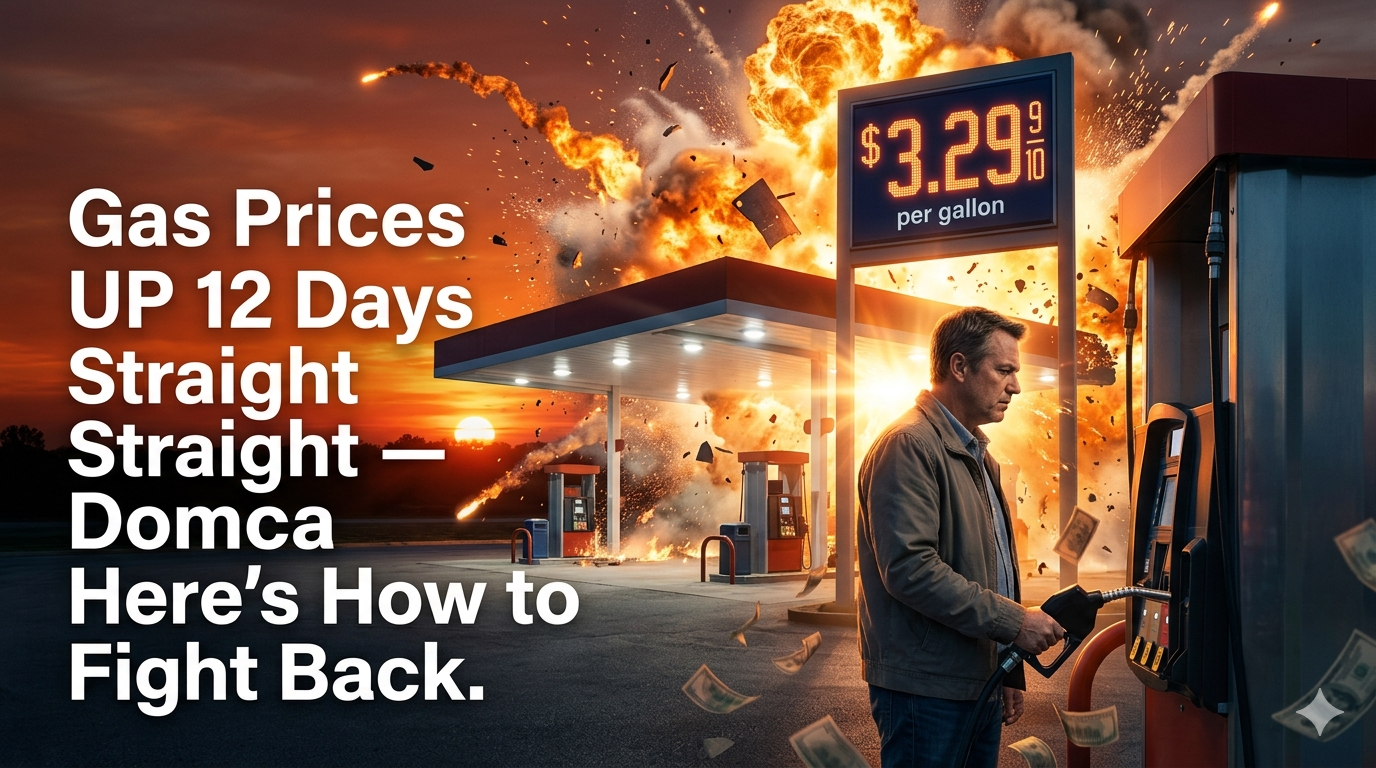
Table of Contents
7 Powerful Ways to Save Money Now
Gas prices in the United States have risen for the 12th consecutive day, and the pain at the pump is becoming impossible to ignore. Fueled by escalating tensions in the Middle East — particularly the conflict with Iran — crude oil prices continue their relentless climb, squeezing household budgets across the country.
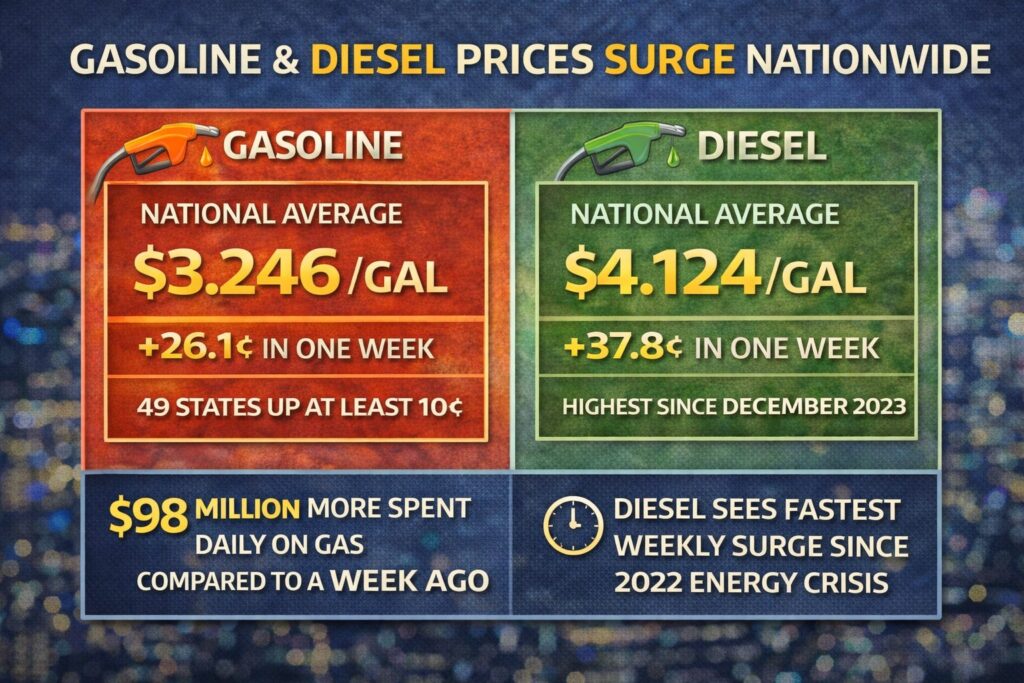
In Minnesota alone, the average gas price shot up 4 cents overnight to $3.29 per gallon — a staggering 18-cent jump in just one week. Drivers commuting between cities like Minneapolis and St. Paul are already feeling the crunch, with many desperately searching for smart, proven ways to cut fuel costs.
The good news? You have more control over your fuel spending than you might think. In this guide, we break down 7 powerful, proven strategies to help you save money on gas — starting today.
Why Are Gas Prices Rising? The Real Story Behind the Spike
The current surge in gas prices is largely driven by geopolitical instability. The ongoing conflict involving Iran has rattled global oil markets, pushing crude oil futures higher and triggering a cascading effect at gas stations nationwide.
U.S. Energy Secretary Chris Wright has stated that the price rise is expected to be temporary — but with no clear resolution in sight for Middle East tensions, American consumers need actionable steps to cope right now.

7 Proven Ways to Save Money on Gas Right Now
1. Check Your Tire Pressure — It’s Free and Effective
One of the most overlooked gas-saving techniques is maintaining proper tire pressure. Under-inflated tires create more rolling resistance, which forces your engine to burn more fuel to move the vehicle forward.
According to the U.S. Department of Energy, you can improve your gas mileage by up to 3% simply by keeping your tires properly inflated. Check the recommended PSI on the sticker inside your driver’s door — not the number on the tire itself — and inflate accordingly.
2. Slow Down on the Highway
Speed is one of the biggest killers of fuel efficiency. The U.S. Department of Energy reports that fuel economy typically decreases rapidly at speeds above 50 mph. Every 5 mph you drive over 50 mph can cost you an additional 7–14% in fuel costs. Use cruise control on the highway to maintain a steady speed and maximize every drop of gas.
3. Avoid Hard Acceleration and Aggressive Driving
Jackrabbit starts and sudden braking are gas-guzzling habits. Smooth, gradual acceleration and anticipating stops ahead of time can improve your fuel economy by up to 40% in stop-and-go traffic, according to the Department of Energy. Think of the accelerator as a tool for efficiency, not just speed.
4. Reduce Unnecessary Weight in Your Vehicle
Your car’s engine works harder — and burns more fuel — the heavier the load. Clear out your trunk and back seat of any items you don’t need on every trip. Roof racks and cargo carriers also create aerodynamic drag, which hurts fuel economy even when they’re empty. Remove them when not in use.
The EPA estimates that an extra 100 pounds in a vehicle can reduce fuel economy by about 1%. It adds up over thousands of miles.
5. Use a Gas Price Comparison App
Never pay more than you have to. Apps like GasBuddy, Waze, and Google Maps show you real-time gas prices at stations near you. Spending 30 seconds checking the app before filling up can save you 5–20 cents per gallon — that’s real money over a full tank and hundreds of fill-ups per year.
6. Combine Errands Into One Trip
Cold engines use more fuel. Every time you start a cold car and make a short trip, you’re burning gas inefficiently. Plan your errands so you can complete them in one outing, and try to start with the farthest destination so your engine has time to warm up fully. This simple habit can cut your weekly fuel consumption meaningfully.
7. Consider a Fuel Rewards Program or Cash-Back Credit Card
Many major gas station chains — including Shell, BP, and ExxonMobil — offer loyalty rewards programs that knock cents off per gallon. Pairing these with a cash-back credit card that offers fuel rewards (such as the Costco Anywhere Visa or PenFed Platinum Rewards Card) can stack your savings even further.
What Experts Are Saying About the Gas Price Outlook
Energy Secretary Chris Wright has described the current price spike as temporary, citing the volatile nature of oil markets during geopolitical conflicts. However, analysts at the U.S. Energy Information Administration (EIA) caution that there is no definitive timeline for relief while conflict in the Middle East continues.
For everyday Americans — especially those commuting long distances in states like Minnesota — the impact is immediate and real. The strategies above aren’t just theoretical; they’re the same habits that fuel-efficient drivers use every day to dramatically reduce their spending at the pump.
The Bottom Line: Take Back Control of Your Gas Budget
Gas prices may be out of your control — but your fuel habits aren’t. By combining proper tire maintenance, smart driving techniques, and modern price-comparison tools, you can realistically save $20–$60 or more per month depending on how much you drive.
Bookmark this article, share it with a friend who’s frustrated at the pump, and start implementing these tips today. Every cent saved is a win — especially when the Middle East conflict shows no signs of quick resolution.
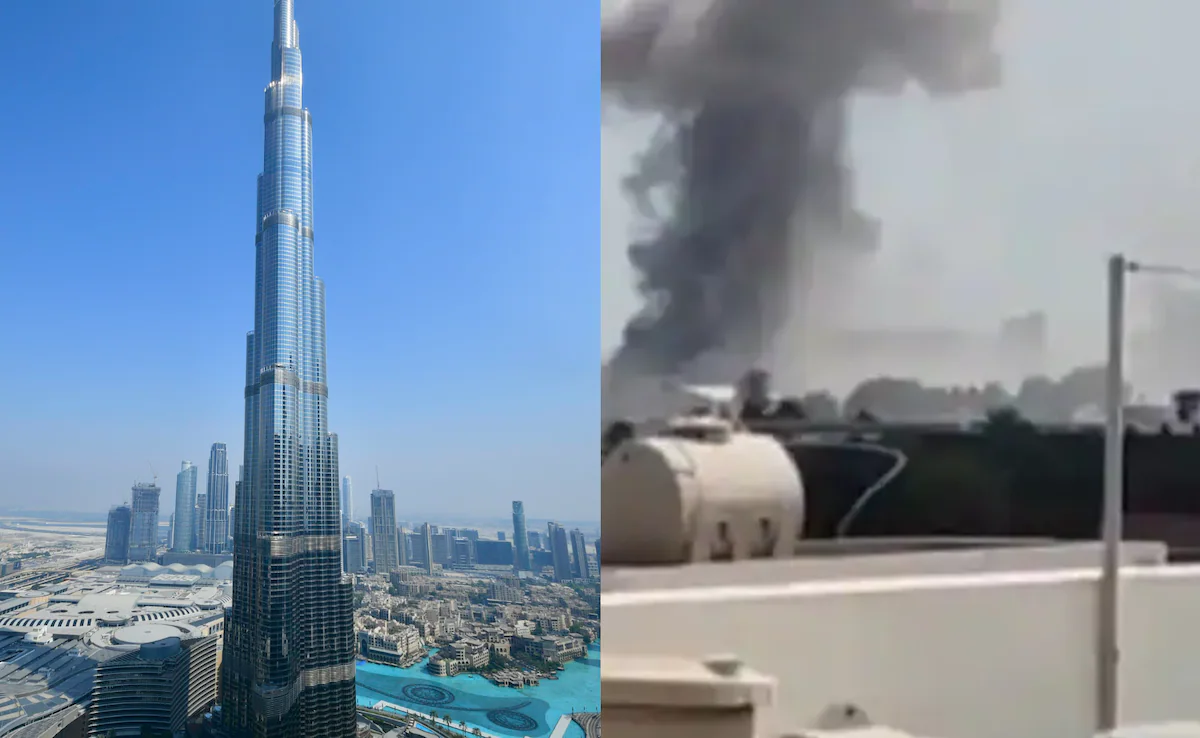
Table of Contents
How the World’s Tallest Building Became an Unlikely Target in the Iran-Israel Conflict
For the first time in its 16-year history, the iconic Burj Khalifa stood empty on Saturday as panic swept through Dubai. The world’s tallest building—normally teeming with tourists and residents—was forced to evacuate after Iranian missiles rained down across the Gulf region in retaliation for joint US-Israeli strikes on Tehran .

What should have been a quiet weekend in the glittering UAE desert turned into a nightmare of shaking windows, streaking fireballs, and the unmistakable boom of air defense systems engaging incoming threats.
“It was a big explosion, and it made the windows shake,” one witness told AFP, describing scenes never before witnessed in the oil-rich Gulf monarchy known for its stability and safety .
The Attack That Shook the Gulf
Iran’s Islamic Revolutionary Guard Corps (IRGC) launched what it called major retaliatory strikes targeting US military bases across the region, including Al-Dhafra Air Base in Abu Dhabi—which hosts American forces—and the US Navy’s Fifth Fleet headquarters in Bahrain .
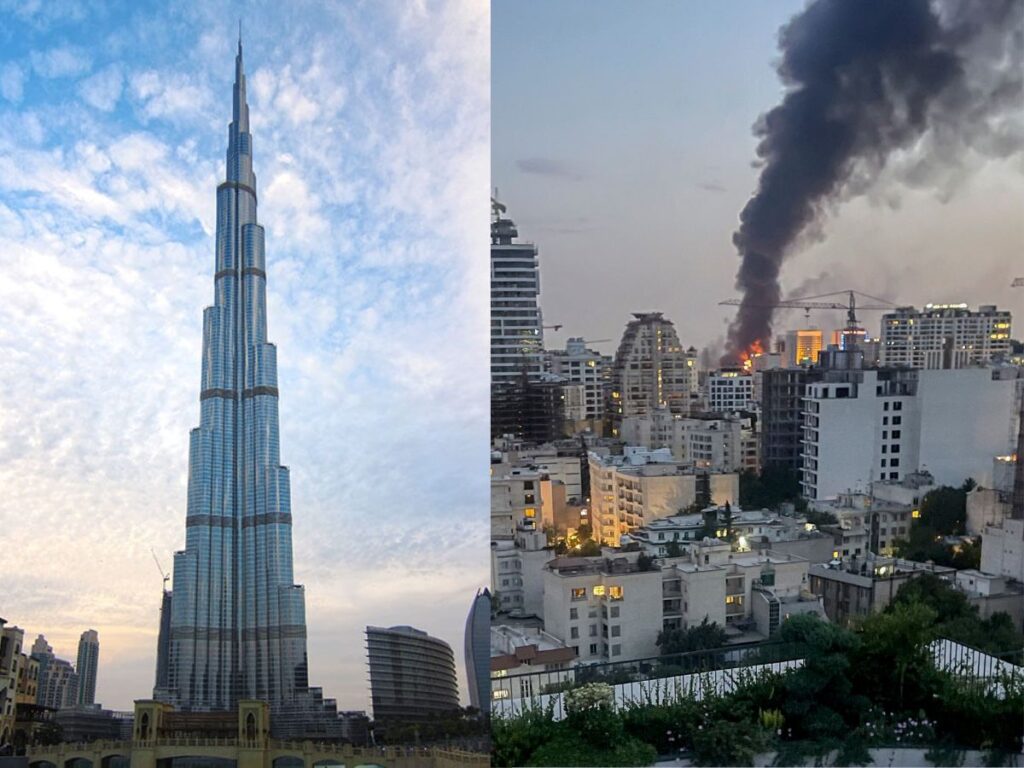
But the attacks didn’t stay confined to military installations.
Explosions reverberated through Dubai, Abu Dhabi, Doha, and Riyadh as missiles streaked across civilian skies . In Abu Dhabi, a civilian of Asian nationality was killed when missile debris crashed into a residential area . Four people were injured in Dubai’s Palm Jumeirah area after debris hit near the Fairmont The Palm hotel .
Smoke billowed near the Burj Khalifa’s observation decks—the very same levels where tourists normally pay $42 to gaze at the Dubai skyline . The 828-meter tower’s famous spire, visible from 95 kilometers away on a clear day, became a silent witness to the region’s worst escalation in decades .

Why the Burj Khalifa?
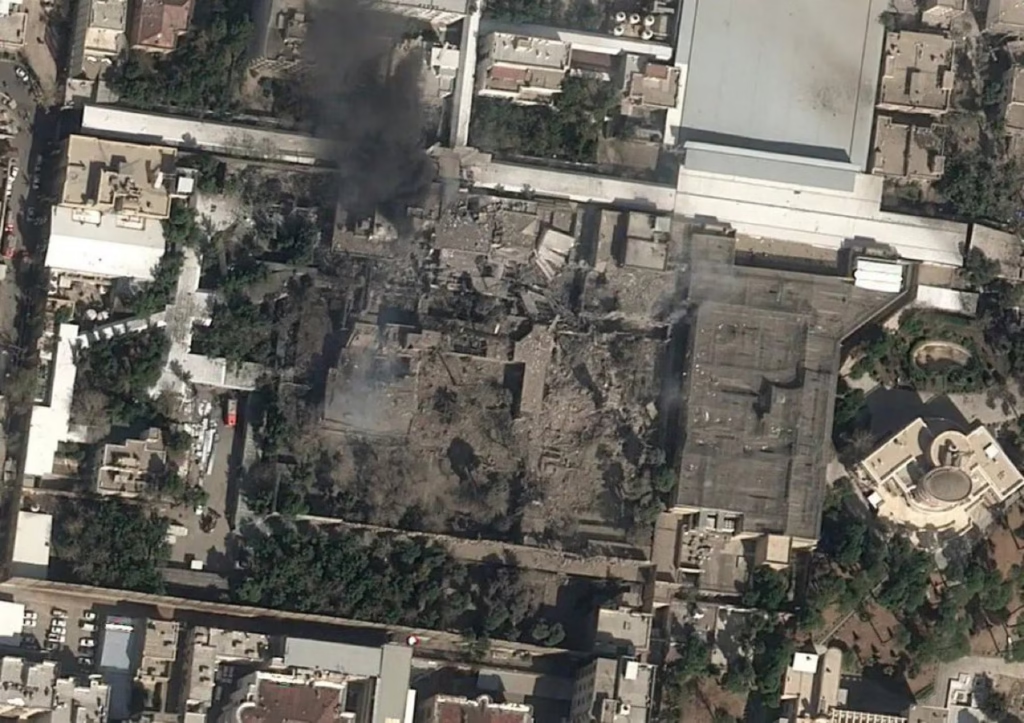
The evacuation wasn’t because the tower was directly targeted—Iran’s stated objectives were American military assets . But the Burj Khalifa’s unprecedented height made it vulnerable to falling debris from intercepted missiles. When air defense systems engaged incoming threats, shrapnel and wreckage rain down across wide areas .
Dubai authorities weren’t taking chances. They moved swiftly to clear the building’s 163 floors, emptying residences, offices, and observation decks as a precautionary measure . Flight operations at Dubai International Airport (DXB) and Al Maktoum International Airport were suspended indefinitely, stranding travelers and disrupting one of the world’s busiest aviation hubs .
For context, the Burj Khalifa isn’t just a tourist attraction—it’s a vertical city. Designed by structural engineer Bill Baker using an innovative “buttressed core” system, the Y-shaped tower resists wind and gravity through three wings that support each other . But no engineering marvel can protect against missile debris traveling at supersonic speeds.
The Conflict That Spilled Across Borders
This terrifying escalation began hours earlier when the United States and Israel launched “Operation Epic Fury” —joint strikes targeting Iranian leadership . The Pentagon confirmed US involvement, with President Donald Trump warning that “bombs will fall everywhere.”
Israel claimed to have killed Mohammad Pakpour, commander of Iran’s IRGC, while Iranian officials insisted Supreme Leader Ayatollah Ali Khamenei and President Masoud Pezeshkian survived assassination attempts . More than 80 schoolchildren were reportedly killed in a girls’ elementary school in Minab Hormozgan province, according to Iranian media.
Iran’s response was swift and devastating. The IRGC launched what the Israeli military described as a “barrage of missiles” toward Israel and US-linked targets throughout the Gulf . Iranian officials warned they would show “no leniency” and that any base in the region assisting Israel would be targeted .
Gulf States Caught in the Crossfire
For Saudi Arabia, UAE, Qatar, Kuwait, and Bahrain, Saturday represented a nightmare scenario. These nations maintain delicate balancing acts—close security ties with Washington while cautiously engaging with Tehran .
Saudi Arabia had restored relations with Iran in 2023 after a seven-year rupture. The UAE had pursued pragmatic engagement. But when missiles fly, diplomacy takes a backseat to survival.
Saudi Arabia condemned “the treacherous Iranian aggression” as a “blatant violation of sovereignty” . Qatar said it successfully intercepted attacks and reported no casualties . Kuwait activated air defense systems against incoming missiles . Jordan sounded sirens.
But condemnation alone won’t protect civilians. The Gulf’s glittering skyscrapers—symbols of ambition and prosperity—now face threats their architects never imagined.
What This Means for Americans
For US citizens, this conflict hits close to home in multiple ways. First, American bases were primary targets—Al Udeid Air Base in Qatar, which serves as forward headquarters for US Central Command; Prince Sultan Air Base in Saudi Arabia, supporting Patriot missile batteries; and the Fifth Fleet in Bahrain .
Second, the escalation threatens global oil supplies and travel. Dubai’s airport closure affects thousands of American travelers connecting through one of the world’s busiest transit hubs .
Third, and perhaps most sobering: a message from Reza Nasri, a lawyer close to Iran’s foreign ministry, to the American people: “This is not your war. But you will pay for it with your soldiers’ lives, your national interests, and your standing as Americans around the world.”
The Engineering Marvel That Stood Empty
The Burj Khalifa’s evacuation marks a surreal chapter for a building designed to defy nature itself. When architects at Skidmore, Owings & Merrill designed the tower, they conducted over 40 wind tunnel analyses to ensure it could withstand Dubai’s harsh conditions . They developed a hexagonal buttressed core that “confuses the wind,” preventing vortices from forming consistently around the surface .
The building captures condensate from air conditioning—enough to fill 20 Olympic-size pools annually—and reuses it for landscaping . Its Y-shaped plan ensures only one-sixth of the surface faces direct sunlight at any time .
But no amount of engineering foresight prepared it for missile strikes.
The tower remains the world’s tallest building in 2026, though Saudi Arabia’s planned Rise Tower (targeting 2 kilometers) and Jeddah Tower (1,000+ meters) may eventually claim the title . Dubai itself is reviving the Dubai Creek Tower project to maintain its edge .
None of that matters when civilians flee shaking buildings.
Regional Fallout: What Comes Next
The national security council of Iran called on civilians to relocate away from cities under attack—a move analysts interpret as preventing protest crowds . Meanwhile, Reza Pahlavi, son of the former shah, called for protesters to return to streets .
The Gulf stands at a precipice. Will these attacks forge national unity against external threats, or spark internal unrest amid economic malaise and state repression?
One thing is certain: the perception of distance from regional conflict has shattered forever. When the Burj Khalifa evacuates, nowhere feels safe.
Looking Forward: The New Normal
For Americans watching from home, the images of missiles over Dubai’s skyline may feel distant. But US bases remain in the crosshairs. American soldiers stationed in Qatar, Bahrain, Kuwait, Saudi Arabia, and UAE now face heightened threat levels .
Travelers should expect continued airspace closures and flight disruptions across the Gulf . The region’s carefully cultivated image as a stable oasis in a turbulent Middle East has taken an irreversible hit.
As one Dubai resident told AFP, watching fireballs streak across the desert sky: “It was very scary and very loud.”
Table of Contents
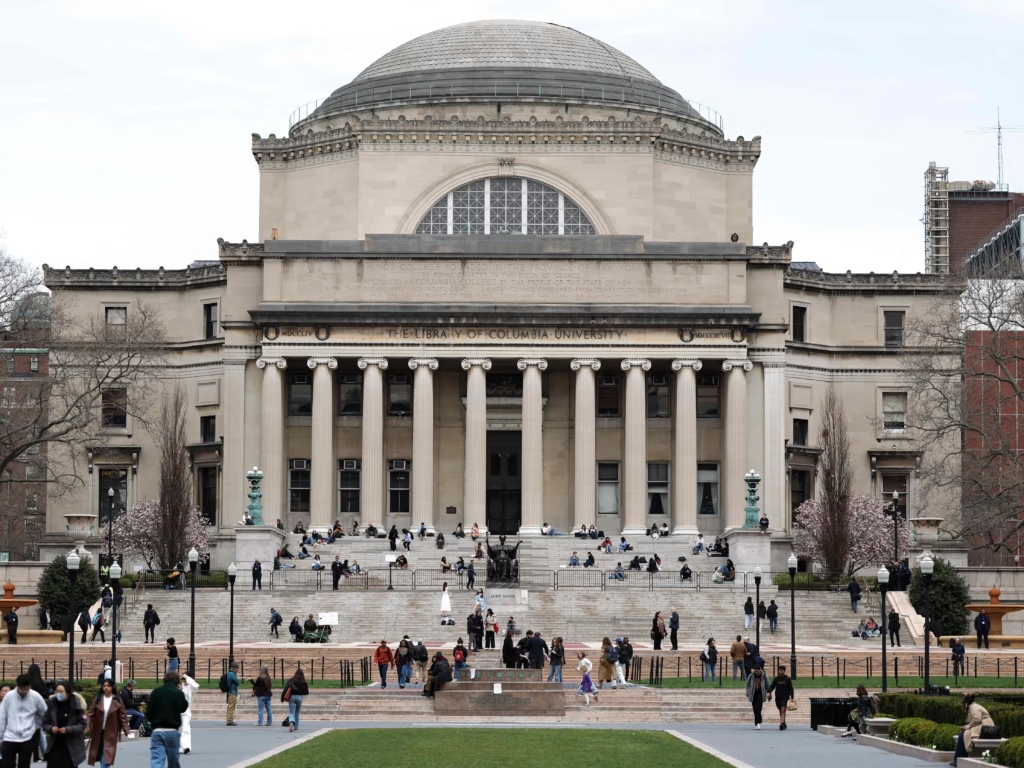
Columbia University officials are accusing federal agents of lying to gain entry to a campus building early Thursday morning, leading to the dramatic detention of a popular international student with a massive social media following.

In a developing story that has ignited tensions between immigration enforcement and academic institutions, Ellie Aghayeva, a Columbia University senior attending on an international visa, was taken into custody by Department of Homeland Security agents in what university leadership is calling a “misrepresentation” of facts to gain access to the student.
The Pre-Dawn Raid
According to Columbia University’s acting president Claire Shipman, the incident unfolded around 6:30 a.m. Thursday when DHS agents arrived at a residential building on the New York City campus. Shipman alleges the agents gained entry by falsely claiming they were searching for a “missing person” – a tactic she strongly condemned in a letter to the campus community.
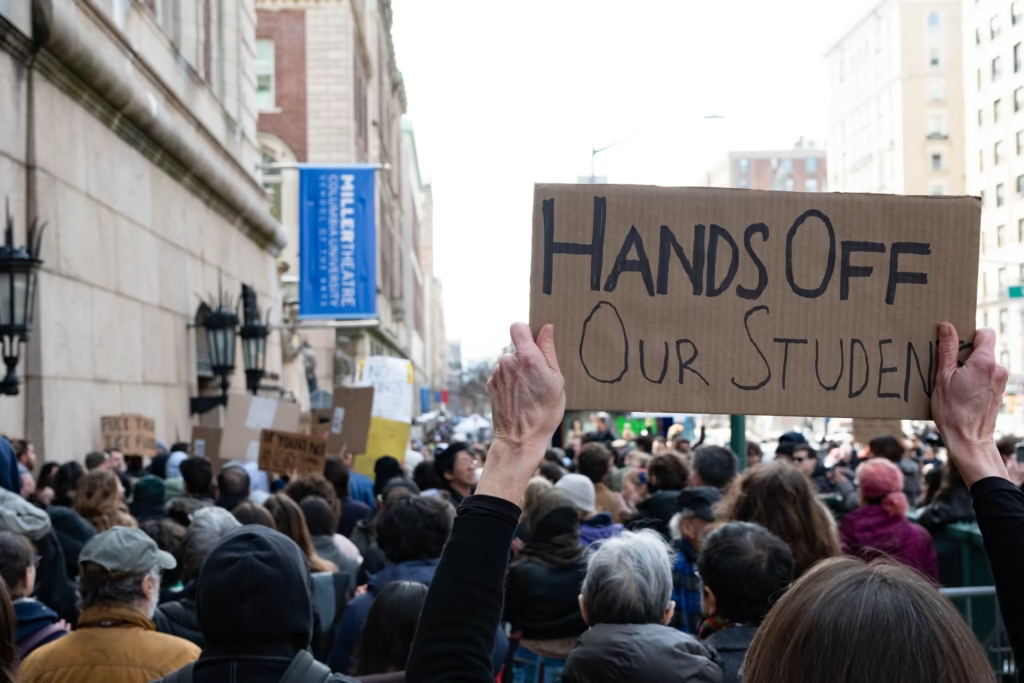
“Federal agents misrepresented themselves to gain entry into our residential building,” Shipman wrote, emphasizing that law enforcement must present a judicial warrant or subpoena to access non-public university spaces, not merely an administrative warrant.
Who Is Ellie Aghayeva?
Identified by both The New York Times and Columbia’s student newspaper, the Columbia Spectator, the detained student is Ellie Aghayeva, a senior with significant digital influence. Aghayeva commands over 100,000 followers on both TikTok and Instagram, making her one of the more visible international students on campus.

As news of her detention spread, Aghayeva posted on her Instagram story in the early morning hours: “DHS illegally arrested me. Please help.” The post has since circulated widely across social media platforms, drawing attention from fellow students, advocacy groups, and elected officials.
Legal Questions Mount
The circumstances surrounding Aghayeva’s detention raise serious legal questions about federal agents’ authority on university campuses. Shipman’s letter stressed that administrative warrants – which are typically issued by federal agencies themselves without judicial oversight – do not grant automatic access to university facilities.
Forbes has reached out to DHS for official comment on the allegations, but the agency has not yet responded to requests for clarification about the operation or the legal basis for the detention.
Political Leaders Respond
The incident has already drawn sharp criticism from New York City political leaders. New York City Council Speaker Julie Menin, joined by Council Majority Leader Shaun Abreu, both Columbia College alumni, issued a joint statement defending immigrant communities and criticizing federal enforcement tactics.
“ICE has no place in our schools and universities. These activities do not make our city or country safer, but rather drive mistrust and danger,” Menin and Abreu said. “As Columbia College alumni, our hearts are with the community there, and we have been in contact with the University to offer our assistance.”
The statement reflects growing tensions between local governments and federal immigration authorities, particularly in sanctuary cities like New York that limit cooperation with immigration enforcement.
Campus Climate Concerns
The detention comes at a particularly sensitive time for Columbia University, which has been at the center of national debates about campus protests, free speech, and international student rights. International students make up a significant portion of Columbia’s student body, contributing both to the university’s academic excellence and its cultural diversity.
For many international students watching this case unfold, the incident raises concerns about their own vulnerability to federal enforcement actions. University officials have not indicated whether Aghayeva had any prior immigration issues or what specific allegations led to her detention.
What Happens Next
Legal experts suggest the case could become a flashpoint in ongoing debates about immigration enforcement on college campuses. The distinction between administrative warrants and judicial warrants – central to Columbia’s criticism of the operation – may become a key legal battleground.
Immigration advocates are likely to rally around Aghayeva’s case, given her social media prominence and the allegations of federal misrepresentation. Meanwhile, DHS may face pressure to explain both the basis for the detention and the tactics used to access the building.
For now, Aghayeva remains in federal custody, her Instagram post serving as a digital cry for help that has reached hundreds of thousands of followers and counting. The university has not indicated what legal support it may offer the detained student, though Shipman’s strong public statement suggests Columbia will not remain silent on the matter.
As this story continues to develop, it underscores the increasingly fraught relationship between federal immigration enforcement and American higher education – with a popular international student’s future hanging in the balance.


Chelsea vs Newcastle: High-Stakes Clash Brings Hope, Pressure, and Premier League Drama

Gas Prices Surge 12 Days Straight: 7 Powerful Ways to Save Money Now

Old Dominion University Shooting: 2 Injured, Gunman Dead in Tragedy

New Movies Streaming – 6 Must-Watch New Movies & Shows Streaming This Weekend (July 18 – 20)

Hollie Strano’s Incredible Comeback: 1 New Radio Gig After WKYC Exit

911 outage – Pennsylvania experiencing problems with 911 calls statewide
-
 Entertainment8 months ago
New Movies Streaming – 6 Must-Watch New Movies & Shows Streaming This Weekend (July 18 – 20)
-
 News7 months ago
Hollie Strano’s Incredible Comeback: 1 New Radio Gig After WKYC Exit
-
 News8 months ago
911 outage – Pennsylvania experiencing problems with 911 calls statewide
-
 News8 months ago
Type 1 Diabetes Barbie Doll – A Step Toward Inclusivity in Toys
-

 Sports7 months ago
Liverpool vs Athletic Club: Squad Update – Van Dijk, Bradley, Alisson, Gomez Ruled Out
-

 Fashion8 months ago
Rosie O’Donnell – Trump Threatens to Revoke Rosie O’Donnell’s U.S. Citizenship in Latest Feud Escalation
-

 News8 months ago
NYC Subway Flood – Live Updates: NYC Subway Flood Disrupts Commute After Flash Flooding
-

 News8 months ago
Jannik Sinner and Carlos Alcaraz set for Wimbledon final showdown after semifinal wins