
Sports
MLB Fall Classic 2025 Stars Set to Dominate – Unstoppable Force


Table of Contents
MLB Fall Classic 2025: Ranking Every Dodgers and Blue Jays Player
The stage is set for a titanic clash. The 2025 World Series is upon us, pitting the American League champion Toronto Blue Jays against the National League powerhouse Los Angeles Dodgers. With first pitch for Game 1 just around the corner, the debate rages: which team has the edge?

To answer that, we’ve undertaken the massive task of ranking all 52 players on the combined rosters for the MLB Fall Classic 2025. From the game’s brightest superstars to the role players who could become unlikely heroes, this is your definitive guide to the talent on display.
The Methodology: More Than Just a Number
This isn’t just a simple list based on regular-season stats. While a player’s 2025 performance is crucial, we’ve also weighed their recent playoff form, underlying metrics, health, and their potential impact in this specific series. The core question: How vital is this player to their team’s quest for the Commissioner’s Trophy?

We’ve broken the rankings into tiers, starting with the depth pieces and building to the superstars who will ultimately decide the fate of the MLB Fall Classic 2025.
The Supporting Cast (Tiers 5-2)
Every championship team needs contributions from its entire roster. In Tier 5, you’ll find bench players and low-leverage relievers like Myles Straw and Miguel Rojas, who may see limited action.
Tier 4 includes situational specialists, such as veteran pitcher Chris Bassitt for the Blue Jays and Blake Treinen for the Dodgers, who will be called upon for specific matchups.
The potential unsung heroes reside in Tier 3. Players like the versatile Isiah Kiner-Falefa (Blue Jays) and lefty reliever Anthony Banda (Dodgers) might not be household names, but a key hit or a clutch strikeout from them could swing an entire game.

Tier 2 is where the quality deepens. This group of “best supporting actors” features established veterans and rising talents who will play crucial, everyday roles. For Toronto, the power of Teoscar Hernández and the steady presence of Kevin Gausman anchor this group. For Los Angeles, the dazzling rookie arm of Roki Sasaki and the power bat of Max Muncy are central to their game plan.
The Main Event: Tier 1 – The Stars of the Show
These are the players who command the spotlight. Their performances will be dissected on every sports highlight show and will almost certainly determine who hoists the trophy.
10. Bo Bichette (Blue Jays SS): Returning from a knee injury, Bichette is the biggest question mark in the top tier. If he’s healthy, his potent bat (129 OPS+ in the regular season) makes him a game-changer.
9. Will Smith (Dodgers C): Coming off a career-best offensive year, Smith is a constant threat at the plate. While his defense is average, his bat more than makes up for it.
8. Alejandro Kirk (Blue Jays C): Kirk is a rare two-way threat behind the plate. He’s an accomplished hitter and an elite defensive catcher, making him one of the most valuable backstops in the game.
7. Yoshinobu Yamamoto (Dodgers SP): The Dodgers’ ace is fresh off a Cy Young-caliber season and a stunning complete game in the NLCS. He is pitching at an elite level when it matters most.
6. George Springer (Blue Jays DH): A proven playoff performer, Springer has a history of coming up clutch. His home run in ALCS Game 7 silenced doubters about his health and cemented his legacy as an October force.
5. Blake Snell (Dodgers SP): The two-time Cy Young winner has been virtually untouchable this postseason, posting a 0.86 ERA. When his command is on, as it has been since September, he is a dominant force on the mound.
4. Freddie Freeman (Dodgers 1B): Even at 36, Freeman remains a model of consistency and excellence. His ability to get on base and hit for power makes him a cornerstone of the Dodgers’ lineup.
3. Vladimir Guerrero Jr. (Blue Jays 1B): “Vladdy” is in the midst of a legendary postseason run. Combining his regular-season and playoff stats, he’s been a relentless offensive machine, hitting .302 with 29 home runs and carrying the Blue Jays’ offense.
2. Mookie Betts (Dodgers SS): The future Hall of Famer has reinvented himself as a Gold Glove-caliber shortstop. While his offensive numbers dipped slightly, he remains an elite, dynamic player who impacts the game in every facet.
1. Shohei Ohtani (Dodgers DH/SP): Was there ever any doubt? Shohei Ohtani is not just the best player in this series; he is a singular force in sports history. The best left-handed hitter in baseball is also a dominant pitcher, capable of single-handedly winning a game with his arm and his bat. His performance in the NLCS was a reminder of his otherworldly talent, and he is the ultimate X-factor in the MLB Fall Classic 2025.
Now, all that’s left is to play the games. Expect the unexpected, because in the World Series, heroes can emerge from anywhere.
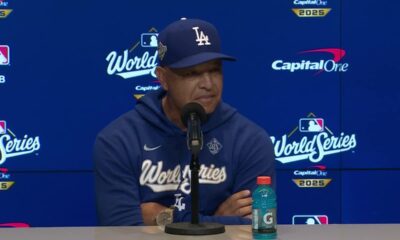

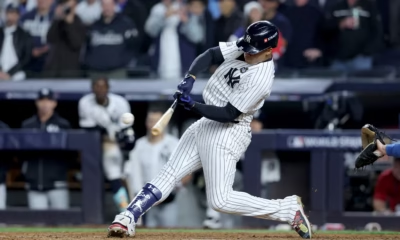





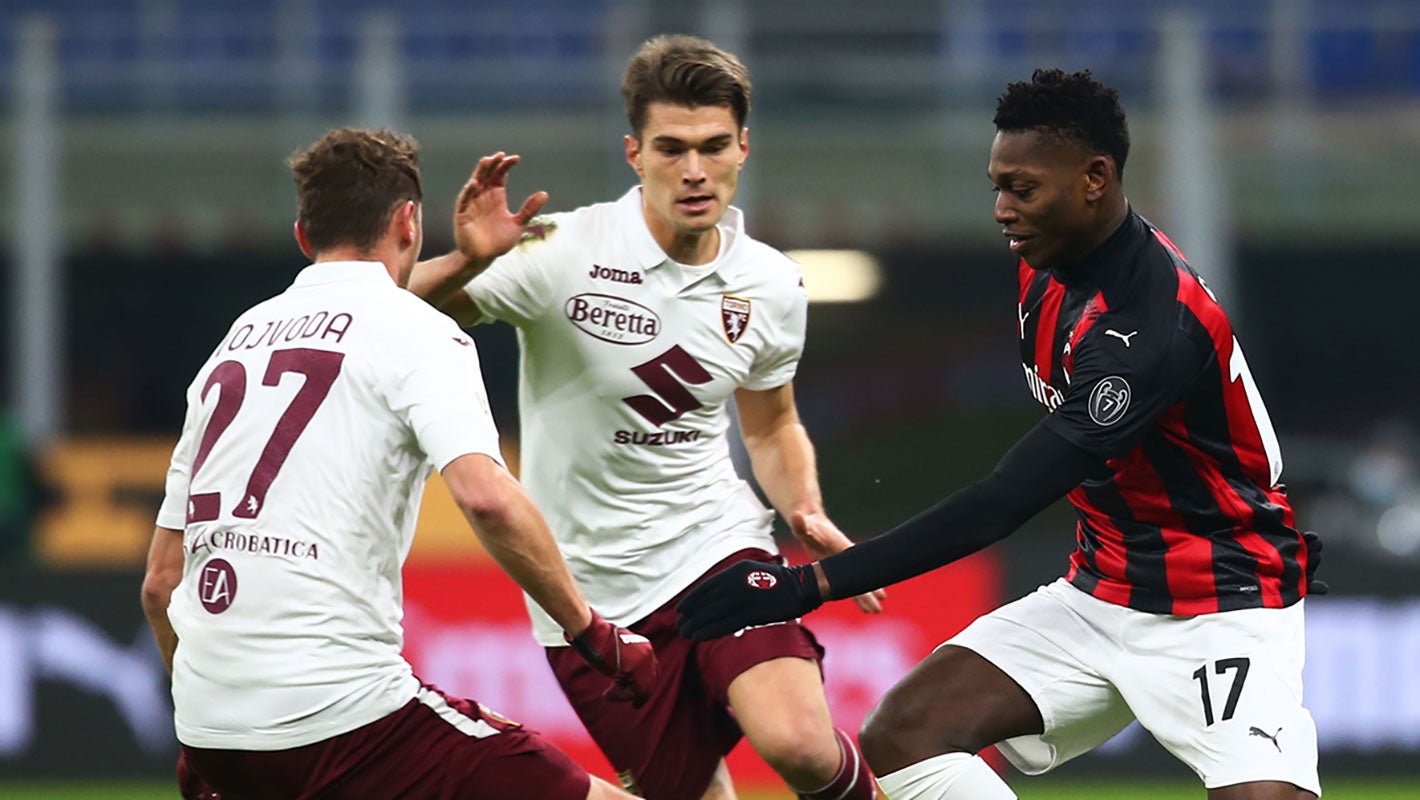
Table of Contents
Introduction: Why Milan vs Torino Always Draws Attention
The clash between and is never just another fixture on the calendar. Known for tactical discipline, physical intensity, and moments of drama, Milan vs Torino once again delivered a contest filled with both promise and problems. Fans witnessed flashes of attacking brilliance alongside defensive lapses that shaped the outcome and sparked debate.
Match Context: Pressure, Points, and Pride
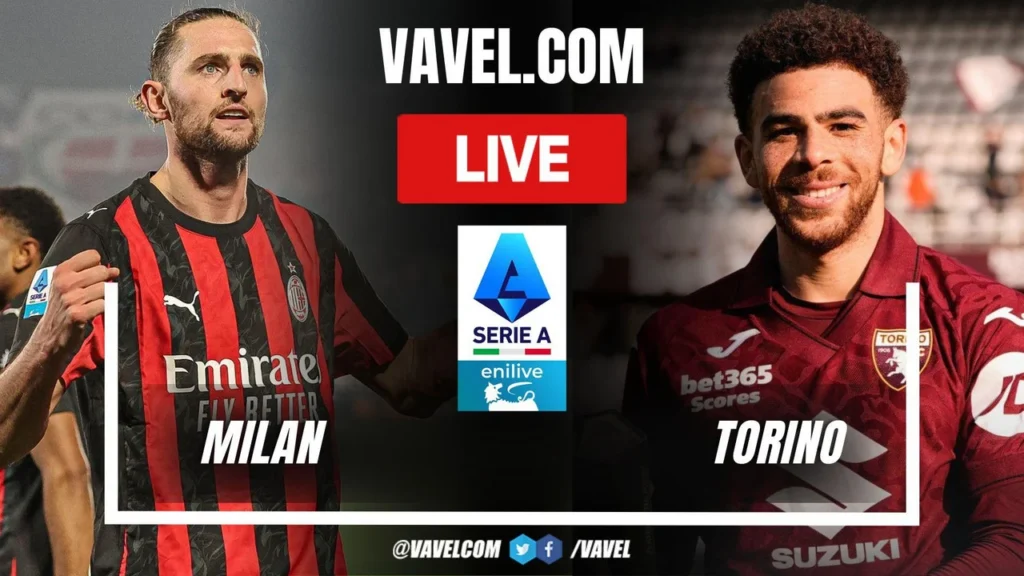
Coming into the game, both sides had clear motivations. Milan were pushing to stay competitive near the top of the , while Torino aimed to prove their strength against elite opposition.
The stakes added extra tension, making every duel, pass, and shot feel decisive from the opening whistle.
First Half: Milan’s Control Meets Torino’s Resistance
Milan began the match with confidence, dominating possession and pressing high up the pitch. Their midfield movement and quick transitions created early chances, giving fans reason for optimism.
However, Torino remained disciplined defensively. Compact lines and aggressive challenges disrupted Milan’s rhythm, preventing clear-cut opportunities and keeping the scoreline tight despite Milan’s territorial advantage.
Second Half Drama: Goals, Grit, and Growing Frustration
The second half shifted the tone dramatically. Torino capitalized on moments of hesitation, punishing Milan with swift counterattacks and set-piece danger. Milan responded with urgency, increasing tempo and committing more players forward.
This attacking push brought moments of excitement but also exposed defensive vulnerabilities, leading to an end-to-end battle that kept supporters on edge until the final minutes.
Key Performers Who Shaped Milan vs Torino
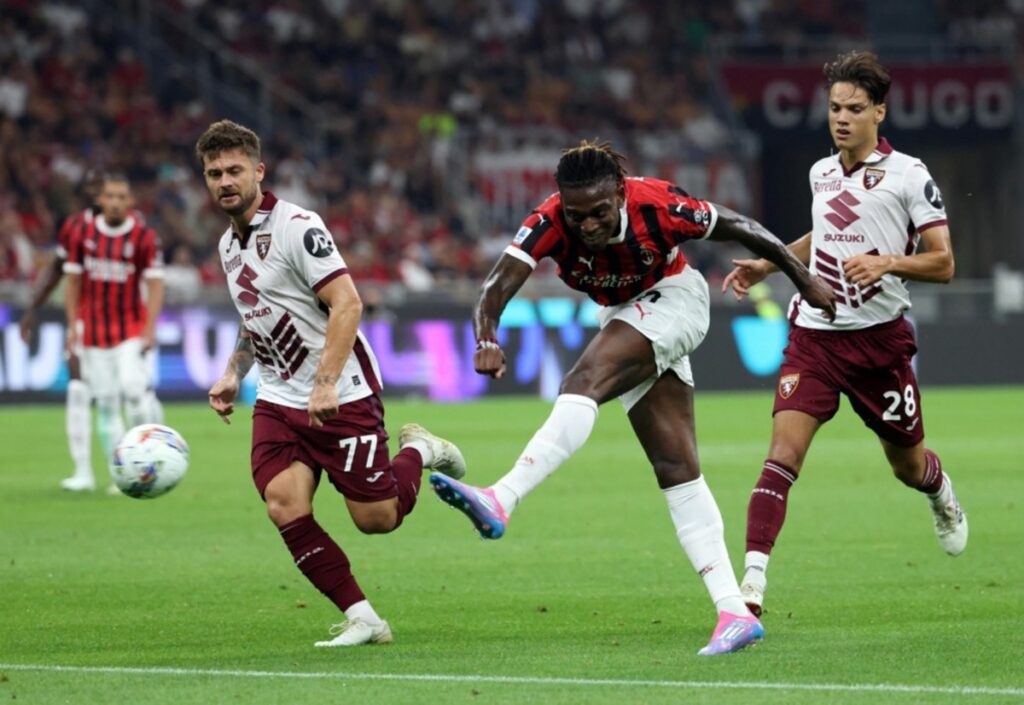
Several individuals stood out during the contest:
- Milan attackers showed creativity but lacked clinical finishing
- Torino’s defensive unit impressed with organization and physicality
- Goalkeepers on both sides made crucial saves under pressure
These performances underlined why Milan vs Torino remains such a compelling tactical matchup.
Tactical Takeaways From the Match
From a tactical perspective, the game highlighted:
- Milan’s strength in build-up play
- Torino’s effectiveness in absorbing pressure
- The importance of concentration during transitions
For Milan, the match offered positive signs going forward but also exposed areas needing improvement. For Torino, it reinforced their reputation as a difficult opponent capable of frustrating bigger teams.
What This Result Means Going Forward
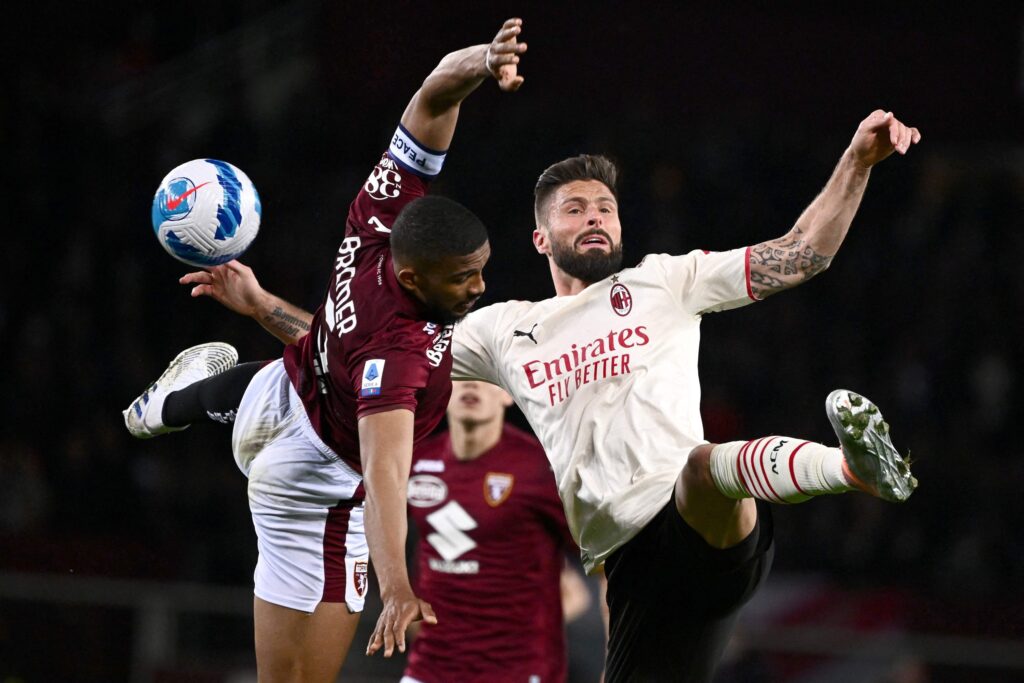
The outcome of Milan vs Torino carries implications beyond a single match. Milan must quickly address consistency issues to stay competitive in the title and top-four race. Torino, meanwhile, gain confidence and momentum, proving they can challenge any side on their day.
As the season progresses, this fixture may be remembered as a turning point—or a missed opportunity.
Related Coverage & Sources
- Official Serie A Updates: https://www.legaseriea.it
- Match Analysis & Statistics: https://www.espn.com/soccer
- Italian Football News: https://football-italia.net
News
Yaxel Lendeborg:Shocking Rise & Inspiring Promise: 1 Yaxel Lendeborg Story That’s Turning Doubt Into Hope

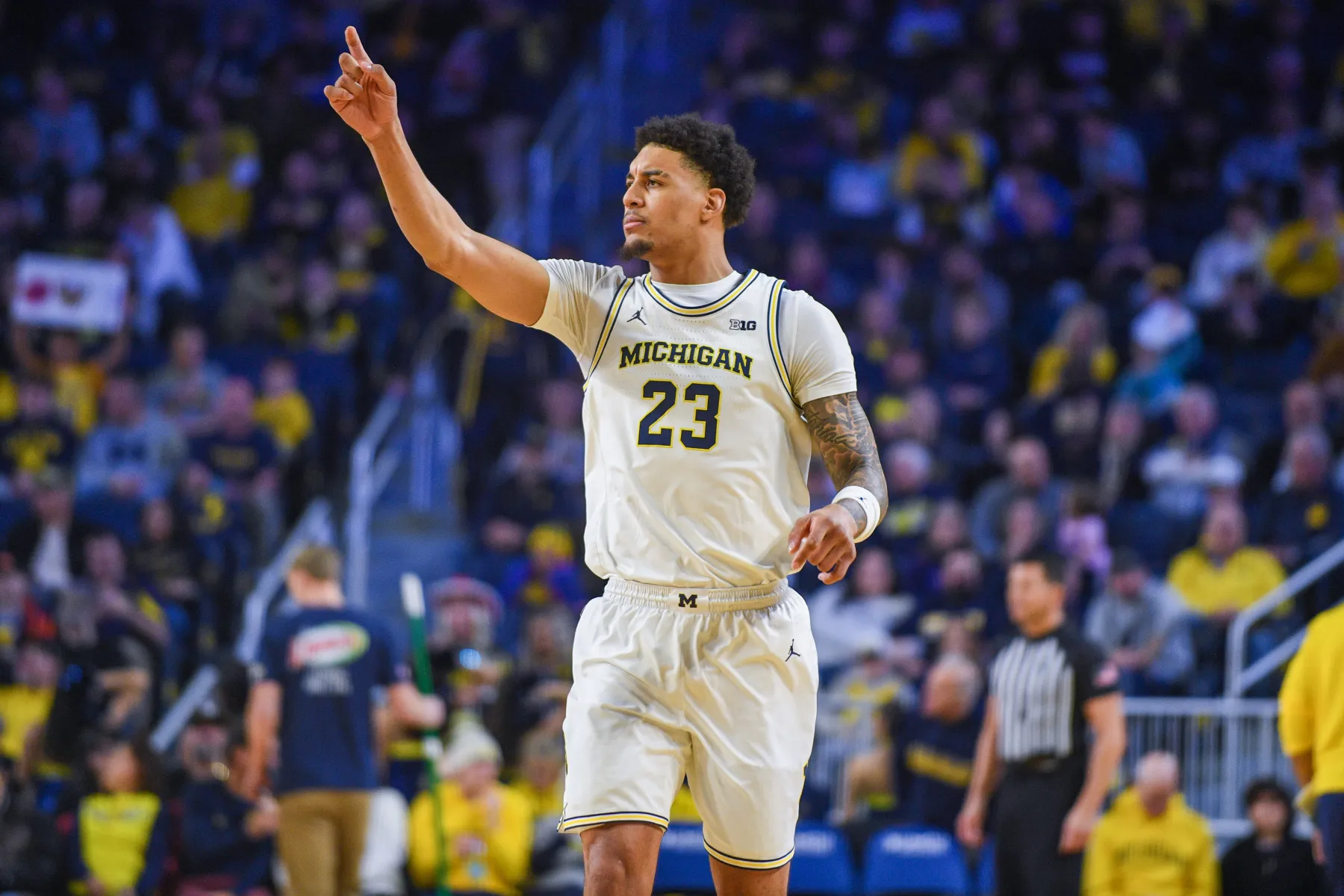
Table of Contents
Introduction: Why Yaxel Lendeborg Is Suddenly in the Spotlight
In the constantly evolving world of college basketball, few names have generated quiet curiosity and growing excitement like . Once overlooked and lightly recruited, Lendeborg’s journey reflects both the harsh realities and the hopeful rewards of perseverance in modern basketball. His recent performances have sparked conversations among analysts, fans, and scouts who now see him as a potential breakout star rather than just another role player.
Early Life and Basketball Background
Yaxel Lendeborg’s basketball journey did not begin with national headlines or five-star rankings. Like many developing players, his early years were marked by steady improvement, discipline, and patience. He focused on fundamentals—rebounding, interior defense, and physical play—areas that often go unnoticed in highlight culture but are essential to winning basketball.
Despite limited early attention, Lendeborg continued to develop his game through consistent effort, showing strong work ethic and adaptability at every stage of his career.
College Career Development: From Doubt to Determination
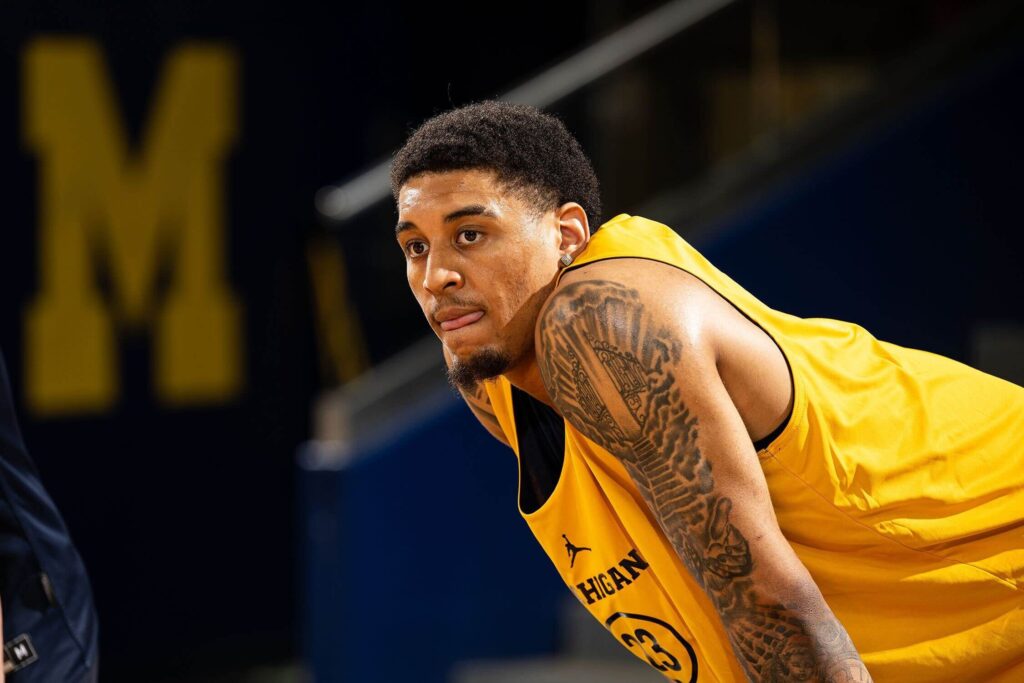
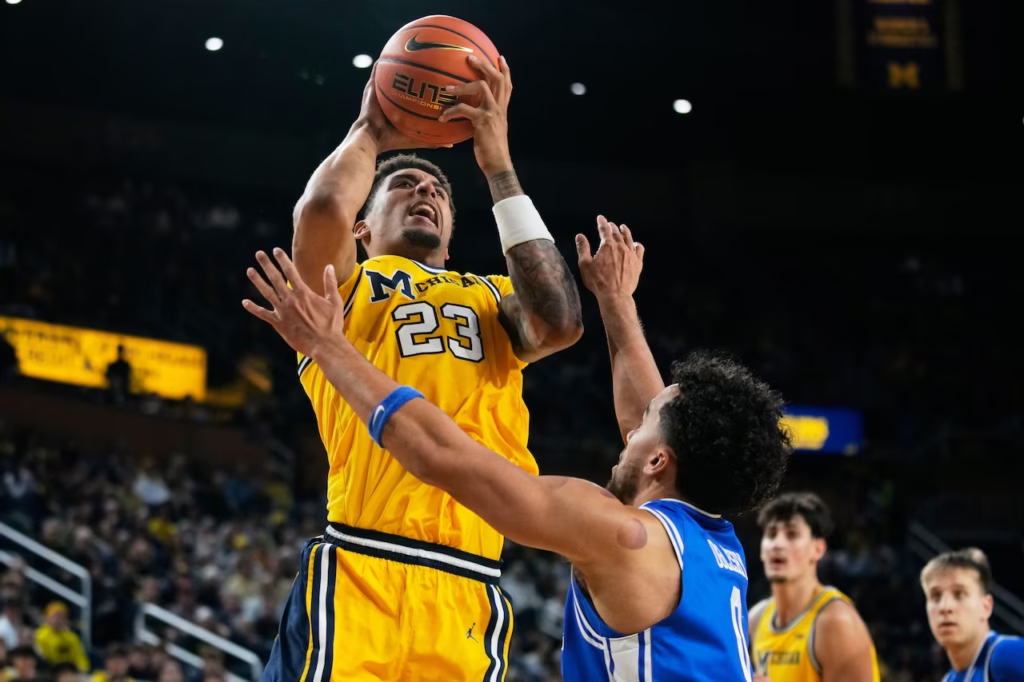
At the college level, Yaxel Lendeborg faced the dual challenge of proving himself while adjusting to faster pace and stronger competition. Early minutes were limited, and expectations were modest. However, instead of fading into the background, he used those challenges as fuel.
Over time, his growth became evident:
- Improved rebounding efficiency
- Better defensive positioning
- Increased confidence finishing around the rim
These improvements slowly earned him more playing time and greater trust from coaches.
Playing Style and On-Court Impact
Lendeborg’s game is built on reliability rather than flash. He thrives in physical matchups and contributes in ways that don’t always appear on stat sheets.
Key Strengths:
- Strong interior defense
- High basketball IQ
- Consistent rebounding presence
- Team-first mentality
While he may not dominate scoring charts, his ability to control the paint and provide second-chance opportunities has made him a valuable asset in competitive games.
Recent Performances Fuel Rising Buzz
Recent stretches of play have significantly raised Yaxel Lendeborg’s profile. Analysts have highlighted his improved conditioning and smarter shot selection, noting how he now impacts games on both ends of the floor.
This rise has not erased earlier doubts, but it has reframed the narrative—from “limited upside” to “underrated potential.” That shift in perception is what makes his story compelling.
What’s Next for Yaxel Lendeborg?
The road ahead still carries uncertainty. Consistency remains the key question, and sustaining performance under pressure will determine his long-term outlook. However, with continued development, Lendeborg could become a crucial rotational player or even draw interest at higher levels of competition.
For now, his journey stands as proof that growth in basketball is rarely linear—and that persistence can turn skepticism into belief.
Why His Story Matters in College Basketball
Yaxel Lendeborg represents a broader truth in sports: not every impactful player arrives with hype. Some earn respect through resilience, effort, and steady improvement. In an era obsessed with instant stardom, his path offers a refreshing reminder that development still matters.
Related Coverage & Sources
- NCAA Men’s Basketball Updates: https://www.ncaa.com
- College Basketball Player Analysis: https://www.espn.com/mens-college-basketball
- Recruiting and Development News: https://247sports.com
News
Mizzou Basketball:Resilient Yet Risky Rise: Mizzou Basketball Shows Power, Promise, and Pressure
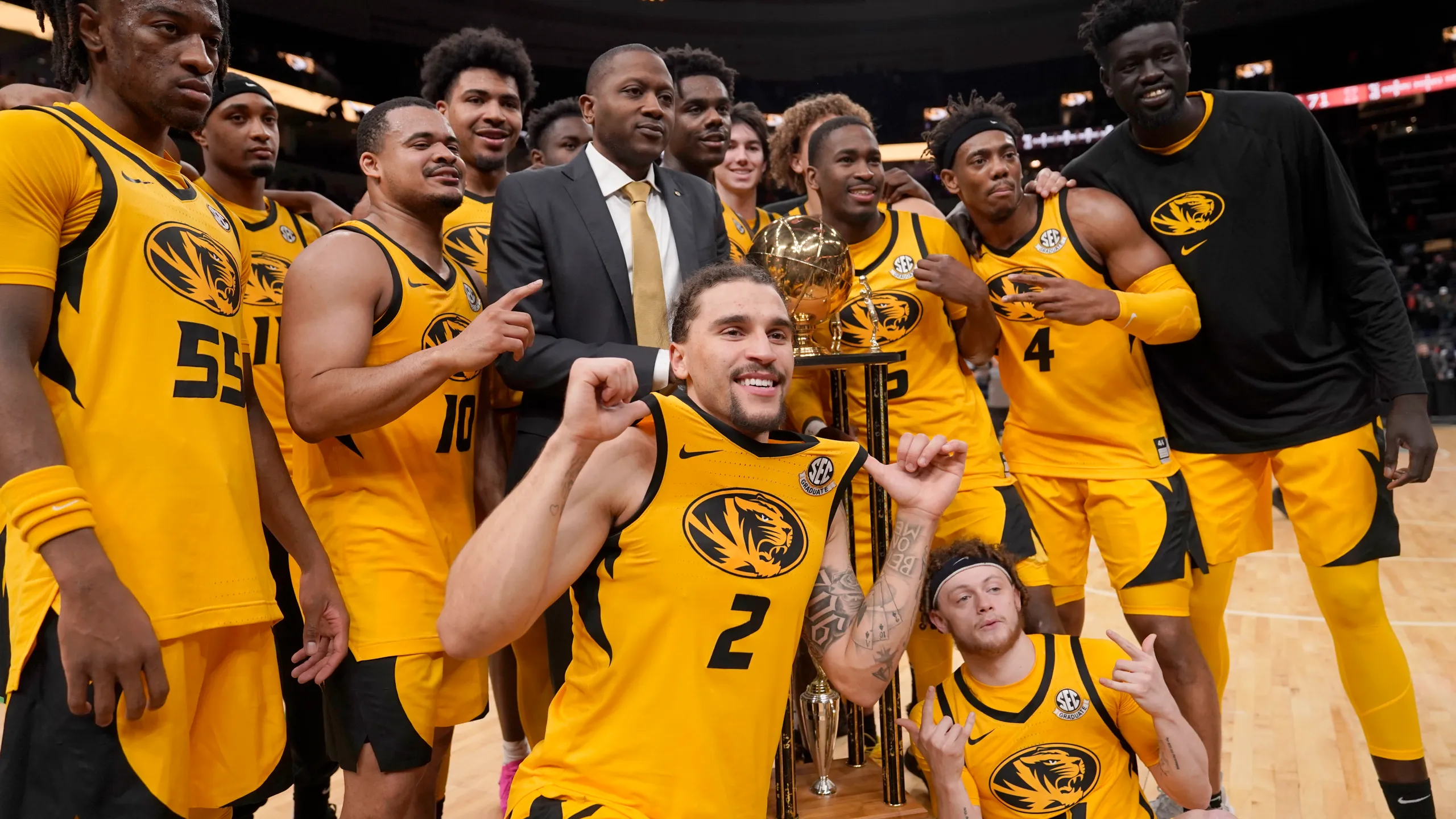
Table of Contents
Mizzou basketball continues to be one of the most talked-about programs in college hoops, combining exciting potential with ongoing challenges. As the season unfolds, the Missouri Tigers are showing flashes of dominance while also battling inconsistency, making their journey both inspiring and frustrating for fans.
This informative breakdown explores where Mizzou basketball stands right now, what’s working, what’s not, and what lies ahead.
Mizzou Basketball Overview: Season Snapshot
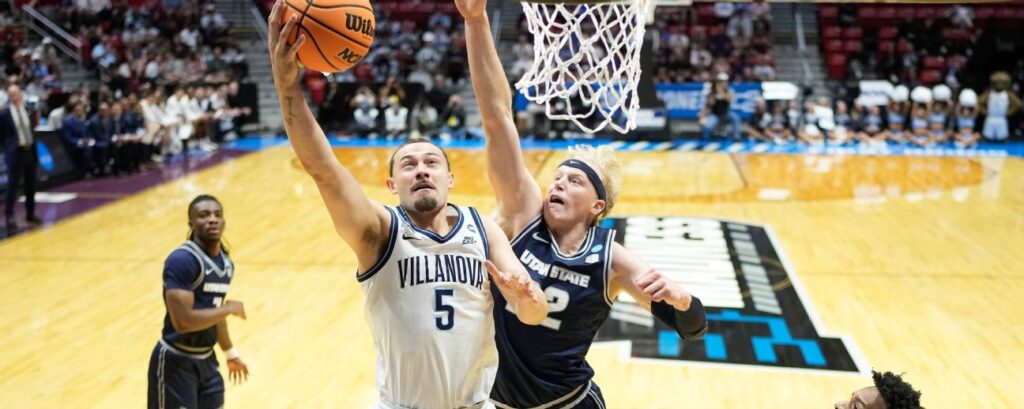
The have built a reputation for athleticism, fast-paced offense, and defensive pressure. Competing in one of the toughest conferences in college basketball, Missouri faces constant tests that reveal both strengths and weaknesses.
This season, Mizzou basketball has delivered strong performances against quality opponents, while also dropping games that exposed depth and execution issues.
Offensive Identity: Speed, Shooting, and Struggles
Mizzou’s offense thrives on tempo. The Tigers look to push the ball, create transition opportunities, and attack the rim early in the shot clock.
Key Offensive Traits:
- Aggressive drives and fast breaks
- Improved three-point shooting in recent games
- Occasional scoring droughts under pressure
When shots are falling,it can overwhelm opponents. However, against disciplined defenses, the offense has sometimes stalled, leading to costly scoring gaps.
Defensive Effort: Energy With Inconsistency
Defense remains a defining part of MB, though execution has varied. The Tigers use ball pressure and switching schemes to disrupt opposing offenses.
Defensive Highlights:
- Strong perimeter defense in key stretches
- Forcing turnovers and converting them into points
- Struggles defending the paint and late rotations
These defensive lapses have turned close games into disappointing losses, an issue the coaching staff continues to address.
Coaching Vision and Player Development
Under head coach , the program has emphasized culture, accountability, and long-term growth. Player development has been a bright spot, with young contributors stepping into larger roles.
Gates’ system has raised expectations, but it also demands discipline—something the Tigers are still mastering.
SEC Competition: A Tough Road for Mizzou Basketball
Playing in the means every game is a challenge. The conference’s depth leaves little room for mistakes, and Missouri has learned that consistency is essential to remain competitive.
Despite setbacks, Mizzou has proven it can compete with ranked teams, offering optimism for postseason aspirations.
What’s at Stake Moving Forward
The remainder of the season will determine whether MB takes a step forward or falls short of expectations.
Key Focus Areas:
- Reducing turnovers
- Improving late-game execution
- Maintaining defensive intensity for full 40 minutes
If Missouri addresses these areas, a return to national relevance is within reach.
Where to Follow Mizzou Basketball Updates
Fans can stay informed through official and reliable sources:
- Missouri Athletics: https://mutigers.com
- NCAA Men’s Basketball: https://www.ncaa.com
- SEC Basketball Coverage: https://www.secsports.com
Conclusion
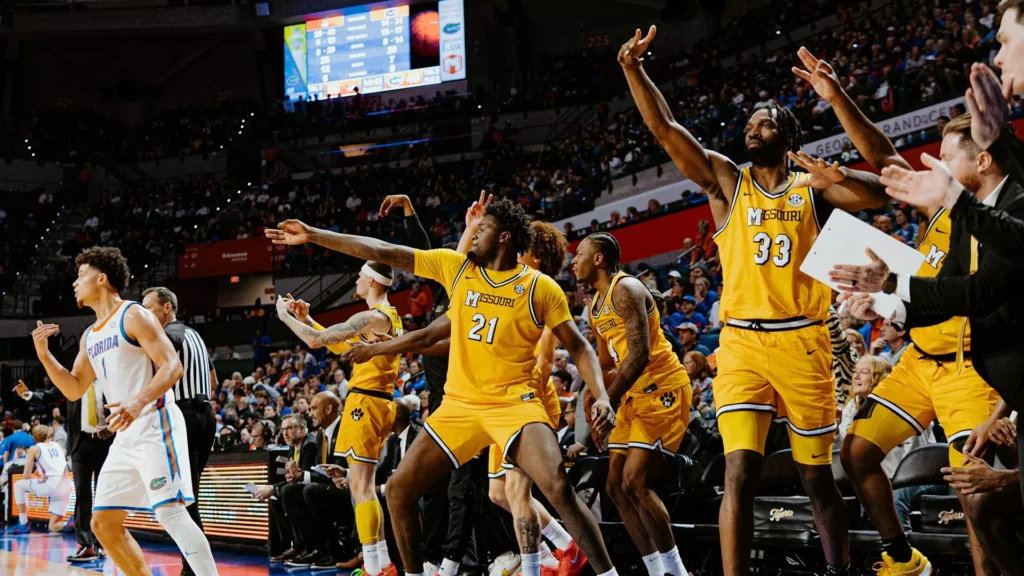
Mizzou B.stands at a crossroads filled with hope and pressure. The talent is evident, the coaching vision is clear, but execution will decide the Tigers’ fate. With focus and growth, Missouri has the power to turn setbacks into success.


Explosive Battle & Painful Lessons: 1 Milan vs Torino Night That Mixed Hope With Frustration

Justin Timberlake:Shocking Comeback & Lingering Controversy: 1 Justin Timberlake Chapter That Balances Fame and Redemption

Yaxel Lendeborg:Shocking Rise & Inspiring Promise: 1 Yaxel Lendeborg Story That’s Turning Doubt Into Hope

New Movies Streaming – 6 Must-Watch New Movies & Shows Streaming This Weekend (July 18 – 20)

Hollie Strano’s Incredible Comeback: 1 New Radio Gig After WKYC Exit

911 outage – Pennsylvania experiencing problems with 911 calls statewide
-
 Entertainment8 months ago
New Movies Streaming – 6 Must-Watch New Movies & Shows Streaming This Weekend (July 18 – 20)
-
 News7 months ago
Hollie Strano’s Incredible Comeback: 1 New Radio Gig After WKYC Exit
-
 News8 months ago
911 outage – Pennsylvania experiencing problems with 911 calls statewide
-
 News9 months ago
Type 1 Diabetes Barbie Doll – A Step Toward Inclusivity in Toys
-

 Sports8 months ago
Liverpool vs Athletic Club: Squad Update – Van Dijk, Bradley, Alisson, Gomez Ruled Out
-

 Fashion8 months ago
Rosie O’Donnell – Trump Threatens to Revoke Rosie O’Donnell’s U.S. Citizenship in Latest Feud Escalation
-

 News8 months ago
NYC Subway Flood – Live Updates: NYC Subway Flood Disrupts Commute After Flash Flooding
-

 News8 months ago
Jannik Sinner and Carlos Alcaraz set for Wimbledon final showdown after semifinal wins