
News
Europa-League Electrifying Update : Drama, Ambition & Risks in Europe’s Premier Rivalry

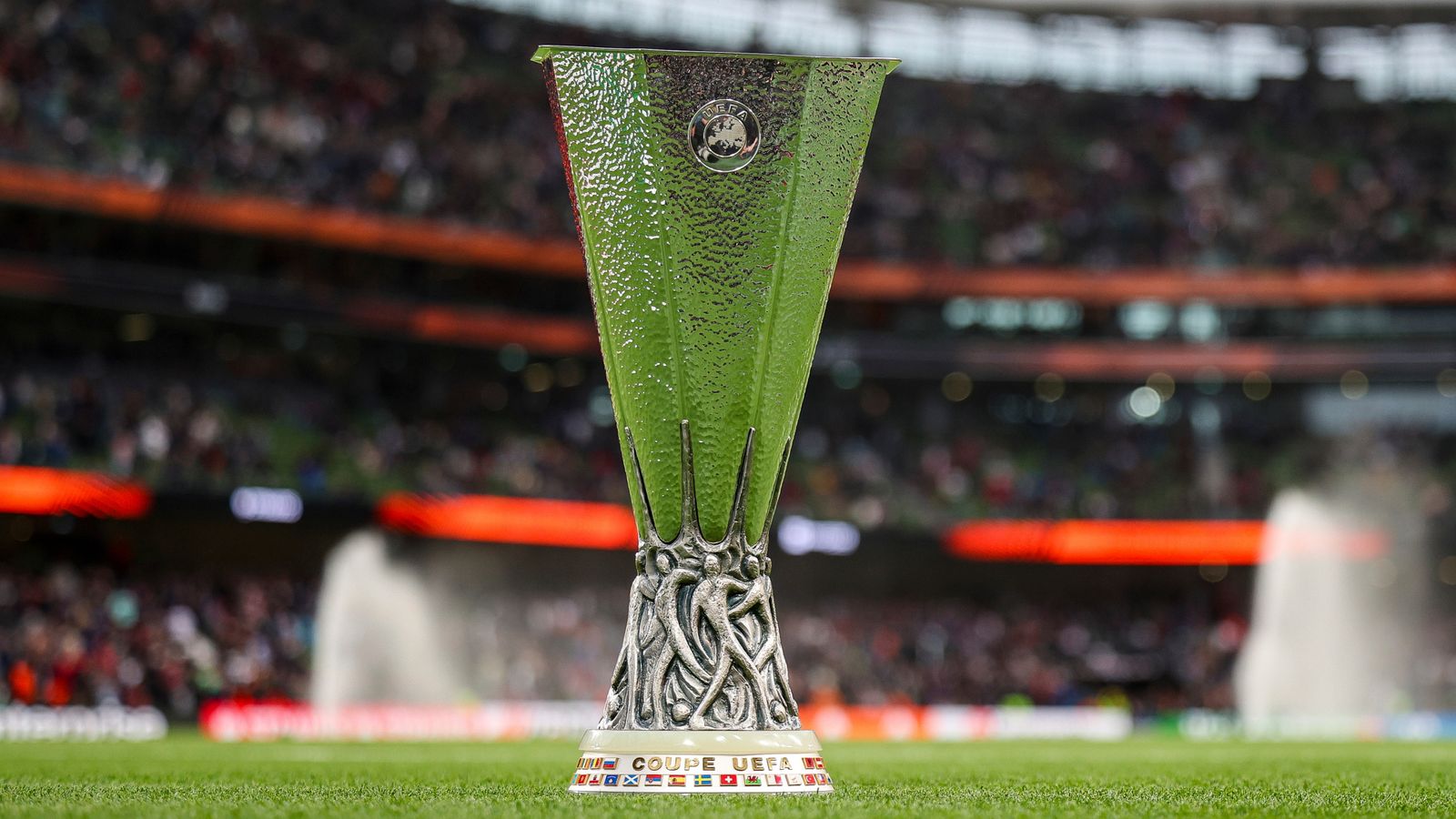
Table of Contents: Europa-League
The Europa-League season is back with a bang — high ambitions, tense showdowns, and both opportunity and uncertainty written all over it. From veteran coaches seeking redemption to clubs returning to European nights after decades, the tournament is delivering excitement and also laying bare the challenges.
🔥 Power Move Title: Europa-League’s Electrifying Return: Triumphs, Trials & Tactical Battles
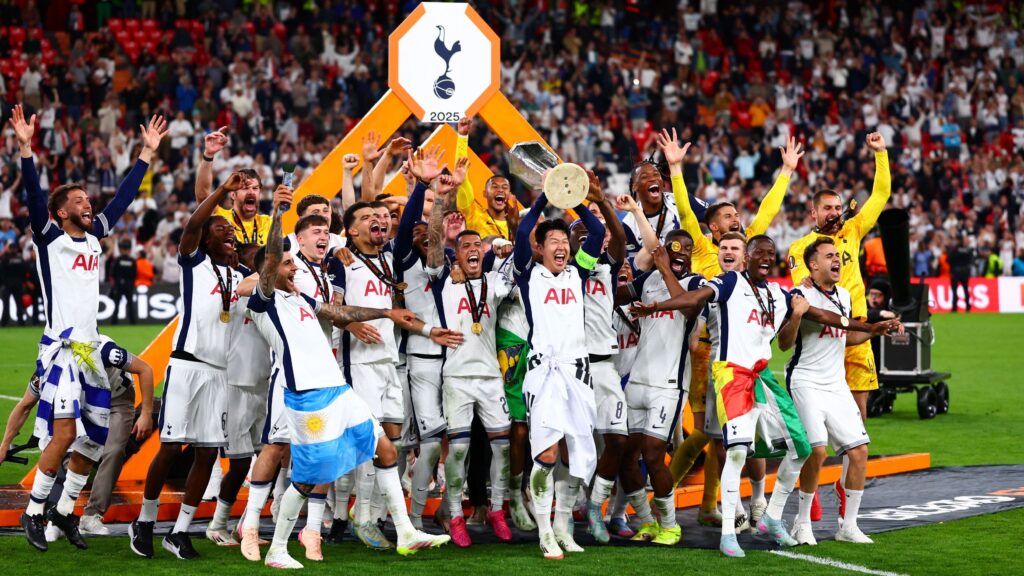
The 2025-26 Europa-League: Format Shake-Up & Stakes Raised
This edition marks the second season under UEFA’s revamped structure: no traditional group stage, replaced by an incomplete round-robin league phase involving 36 teams. The top eight go straight to the round of 16, while the teams ranked 9–24 must navigate a knockout play-off. Teams ranked 25–36 are eliminated.
With 45+32 teams entering qualification and 25+11 in the competition proper, the stakes have never been higher. The final is set for 20 May 2026 at the Beşiktaş Stadium in Istanbul.
Key Storylines Unfolding:Europa-League
1. Villa Pin Hopes on European Spark
After a disappointing start to their Premier League campaign — just one goal in five games — Aston Villa’s manager Unai Emery is banking on the Europa League to reignite momentum. Emery, a four-time winner of this competition, sees Europe as the stage for redemption.
Positive sentiment: Villa get a second chance to shake off domestic struggles and rediscover showcase form.
Negative sentiment: Their league form is lackluster, and inconsistency could carry into Europe as well.
2. Nottingham Forest’s Revival on the Continental Stage:Europa-League
After nearly 30 years away, Nottingham Forest return to Europe. Under Ange Postecoglou, they’re aiming to rewrite their history by making a deep push into the Europa League.
Positive sentiment: Their story of resurgence inspires fans and adds intrigue to the competition.
Negative sentiment: Inexperience at European level and high expectations may create pressure.
3. Security & Political Tensions Enter the Arena
Matches aren’t just about football this season. In Thessaloniki, heavy security accompanied Maccabi Tel Aviv against PAOK, amid protests calling for Israeli clubs to be expelled due to the Gaza conflict.
Negative sentiment: Safety concerns and off-field politics threaten to overshadow on-pitch drama.
Positive sentiment: UEFA’s precautions show the governing body is attempting to preserve integrity and security.
4. Kits, Rules & Compliance: Basel’s Compliance Crisis
FC Basel had to scramble for a compliant kit after UEFA ruled that their away and third strips were too dark or too “black-heavy” for Europa matches. Their new white alternate kit won’t even be available commercially.
Negative sentiment: The club’s oversight in planning reflects disorder off the field.
Positive sentiment: UEFA’s regulatory consistency promotes fairness in competitions.
5. The Litmus Test: Betis vs Forest & Villa vs Bologna
Group stage clashes will quickly separate contenders from pretenders. Real Betis vs Nottingham Forest is one marquee match, while Aston Villa vs Bologna offers a chance for Emery’s side to make a statement.
Positive sentiment: Some matches will provide dramatic, defining moments.
Negative sentiment: Teams with weak depth or shaky form could crash out early.
Mixed Emotions: Positives & Negatives at Play
✅ Positives:
- Renewed excitement & competition — the new format keeps things open and unpredictable.
- Redemption paths — managers and clubs can use Europa as a springboard back to form.
- Inspirational narratives — teams like Nottingham Forest bring emotional pull.
- Regulatory clarity — UEFA’s strict standards (e.g. kits, security) enforce consistency.
❌ Negatives / Risks:
- Pressure and inexperience may lead to early exits for smaller or returning sides.
- Political and security issues risk overshadowing football and creating tension.
- Inconsistent performances — teams struggling domestically may struggle in Europe too.
- Adaptation burden — clubs and managers must quickly navigate unfamiliar new competition format.
What to Watch Going Forward
- How do Forest fare against Betis in their return?
- Can Villa finally find consistency in Europe to boost their league plight?
- Which clubs adapt quickest to the new league-phase structure and gain tactical advantage?
- Will off-field drama interfere with match integrity?
- Which dark horses emerge from the pack and shake up power balances?
Conclusion:Europa-League
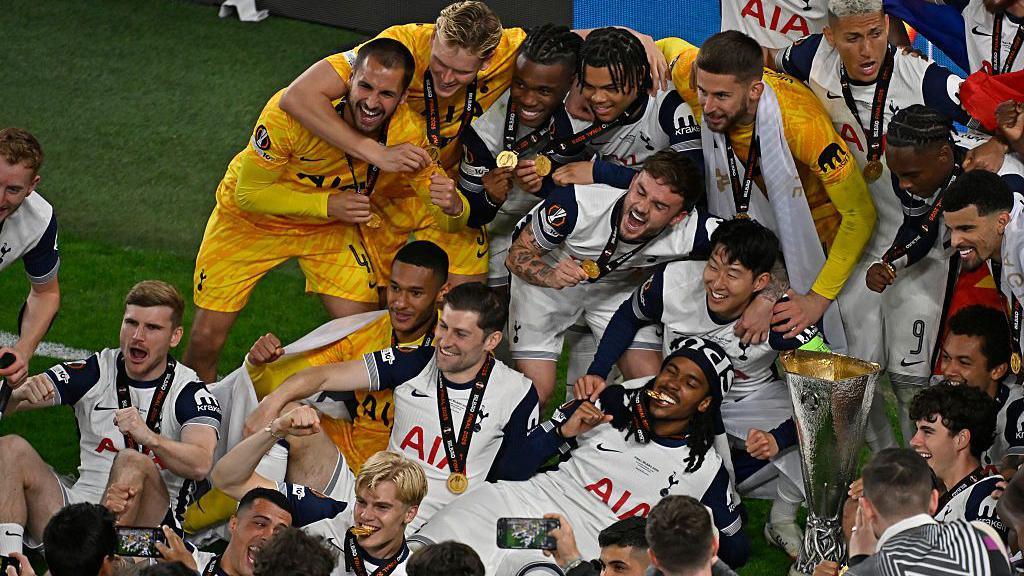
The Europa-League has returned not just as a secondary club competition, but as a battleground of ambition, redemption, and strategic risk. With the new format, every match holds weight. Clubs and managers are walking fine lines between triumph and collapse.
If teams can combine tactical brilliance, resilience, and adaptability — while managing off-field complexities — this edition has potential to be among the most dramatic in recent memory.
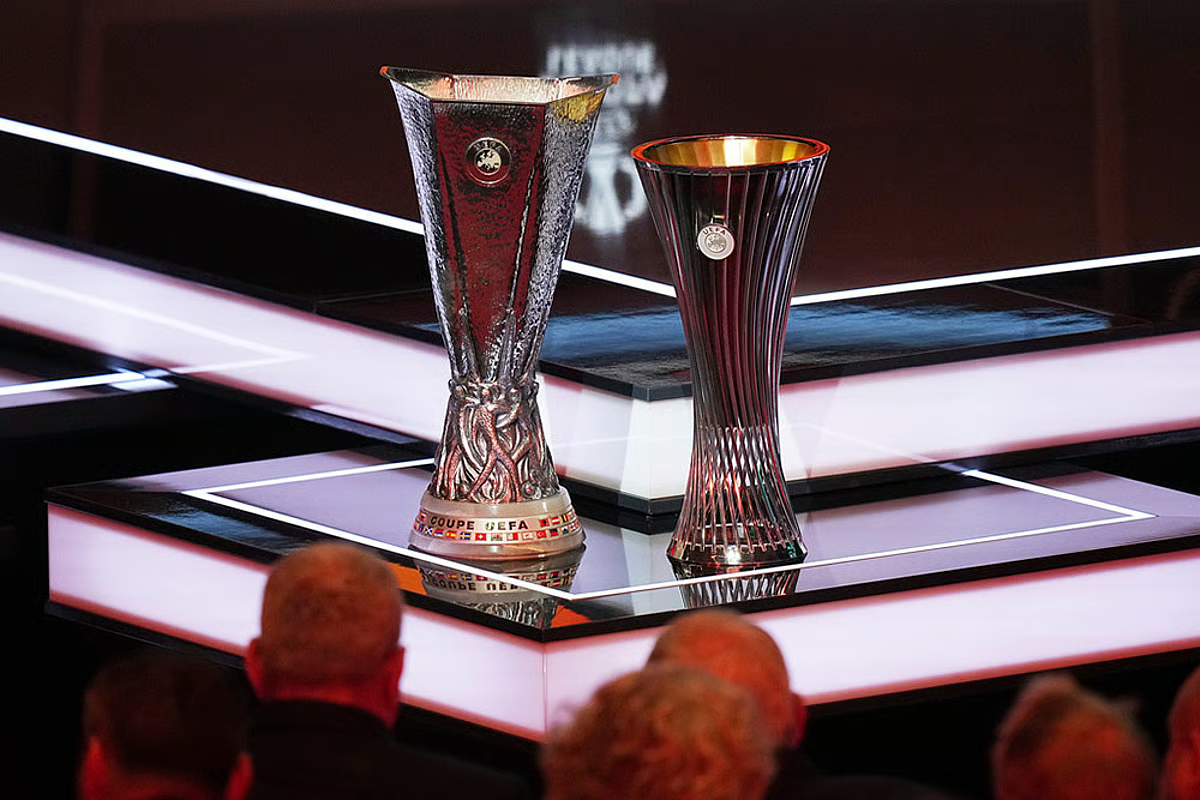
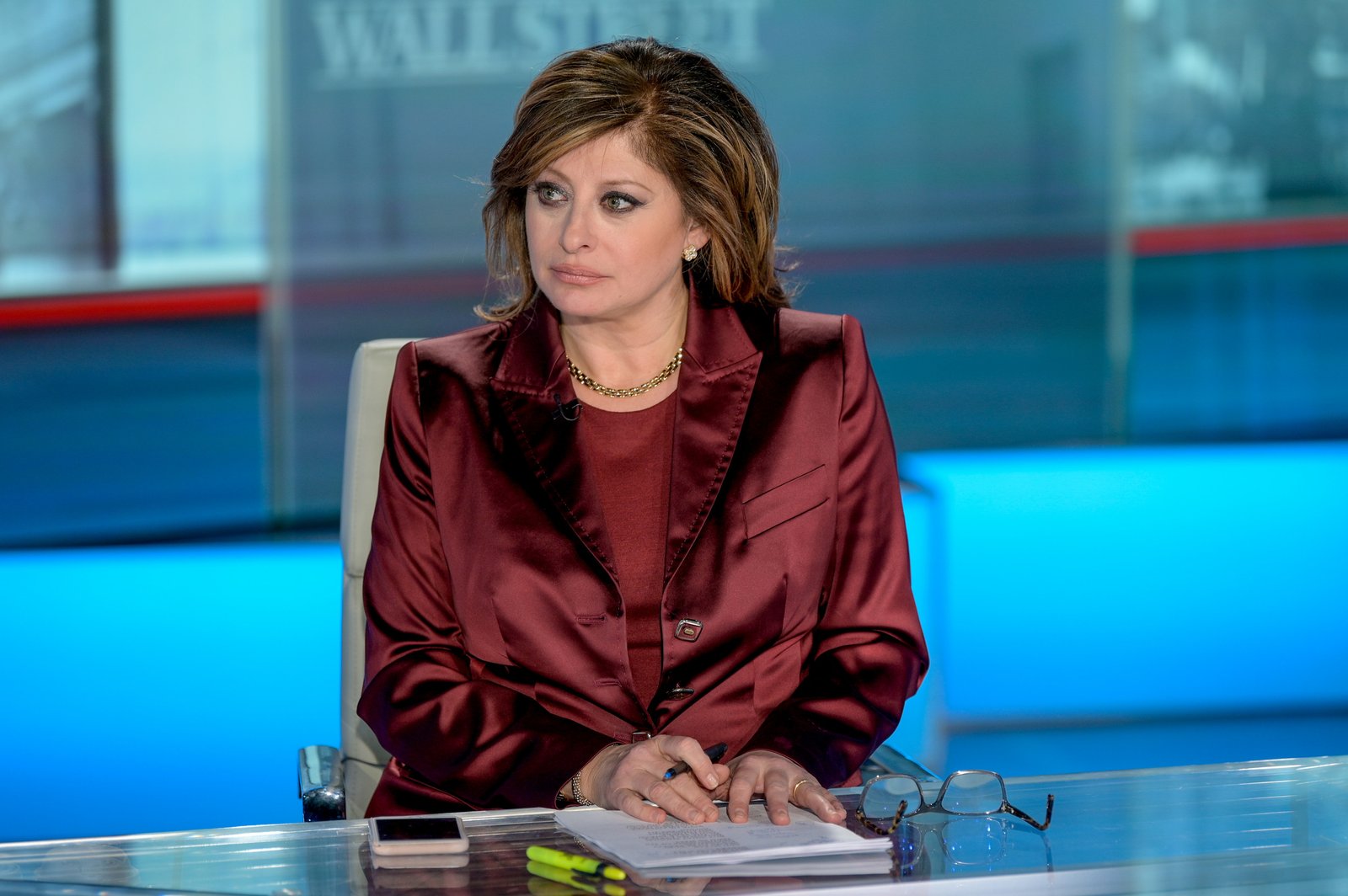
Table of Contents:
Maria Bartiromo Leaves Fox News After 12 Years

Maria Bartiromo, one of the most recognizable names in American business television, is leaving Fox News Media after more than 12 years with the company.
Fox News Media announced on September 3, 2026, that Bartiromo is no longer with the network, effective immediately. The company thanked her for her 12½ years of work and wished her well in the next chapter of her career. Fox did not give a reason for the departure.
The announcement came as a surprise to many viewers because Bartiromo had been a familiar presence on both Fox Business Network and Fox News.
What Happened to Bartiromo?
Bartiromo’s final episode of Mornings with Maria aired Thursday morning. Beginning Friday, the program will become Mornings with FOX Business and will use rotating anchors.
Her weekly program,Bartiromo’s Wall Street, will also receive a new name: FBN’s Wall Street. Cheryl Casone will host the program initially, with other anchors expected to rotate into the position.
Meanwhile, Sunday Morning Futures will be hosted by Jason Chaffetz this Sunday while Fox News considers a permanent replacement.
A Remarkable Career on Wall Street:

Although her Fox departure is a major change, Bartiromo has already built an extraordinary career in financial journalism.
Before joining Fox Business in 2014, she spent about two decades at CNBC. She became particularly well known for her work covering Wall Street and financial markets.
In 1995, Bartiromo became the first journalist to report live regularly from the floor of the New York Stock Exchange. The achievement helped establish her as a pioneering figure in television financial journalism.
Over her career, she has interviewed major business and political figures and received numerous awards, including two Emmy Awards and a Gracie Award. She was also inducted into the Cable Hall of Fame in 2011.
An Uncertain but Promising Next Chapter

The biggest unanswered question is what Maria Bartiromo will do next.
Fox News has not publicly explained why the relationship ended, and Bartiromo had not publicly commented on the announcement at the time of the initial reports. That leaves considerable uncertainty surrounding her immediate plans.
Despite the abrupt ending, her long career gives her several possible paths. She could return to financial broadcasting, expand her writing and commentary work, or pursue another role in media and business.
For now, her departure marks the end of an important era at Fox Business. But given Bartiromo’s experience, influence and long-standing presence in financial journalism, this may be less of an ending than the beginning of a new chapter.
Why Maria Bartiromo Remains Important

Maria Bartiromo has spent decades helping audiences understand markets, business and economic policy. From her pioneering work at the New York Stock Exchange to her years at CNBC and Fox, she has remained a prominent figure in American financial media.
Her sudden exit from Fox News may be disappointing for longtime viewers, but her career record suggests that her influence is unlikely to disappear anytime soon.
The next move from Maria Bartiromo could therefore be one of the most closely watched developments in financial media.
Major League
Table of Contents
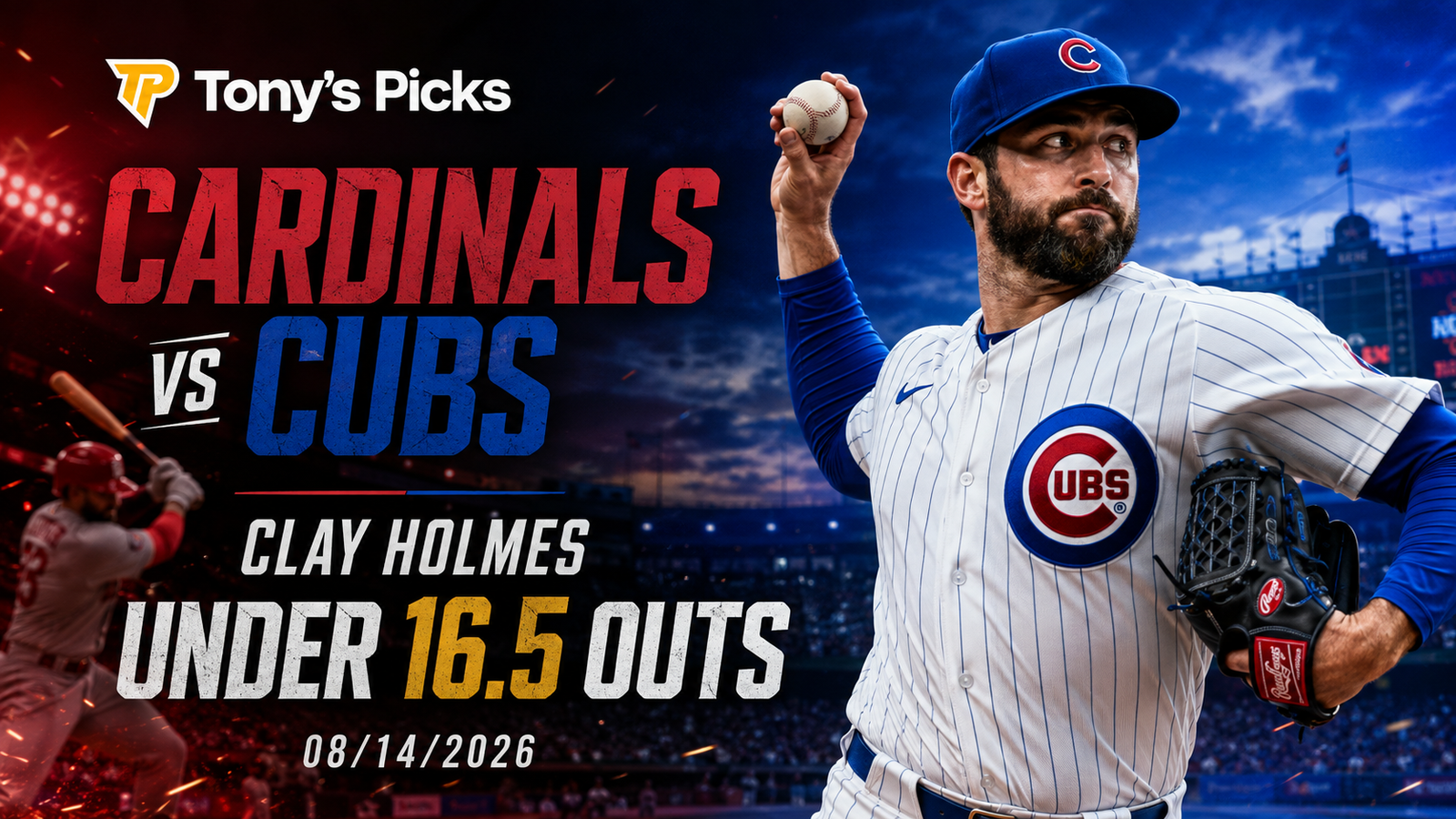
Cardinals vs Cubs: Rivalry Delivers Another Memorable MLB Battle
Cardinals vs Cubs: Rivalry Delivers Another Memorable MLB Battle
Cardinals vs Cubs: Rivalry Delivers Another Memorable MLB Battle
Cardinals vs Cubs:

The Cardinals vs Cubs rivalry once again lived up to its reputation as one of Major League Baseball’s most exciting matchups. Fans witnessed an intense contest filled with dramatic moments, standout performances, and momentum swings that kept everyone on the edge of their seats. While one team celebrated a hard-earned victory, the other was left searching for answers after a disappointing defeat.
For decades, the rivalry between the St. Louis Cardinals and the Chicago Cubs has produced unforgettable games, and this latest encounter added another exciting chapter to their historic competition.
Strong Performances Light Up the Diamond
Both teams entered the game determined to gain an important advantage in the standings. The Cardinals relied on timely hitting and disciplined pitching, while the Cubs answered with aggressive offense and solid defensive plays.
Several players stepped up during key moments, delivering clutch hits and making spectacular defensive stops. The crowd responded with thunderous cheers as the game remained competitive from the opening inning until the final out.
Official MLB scores and game summaries are available at:
https://www.mlb.com
Cardinals Capitalize on Key Opportunities;
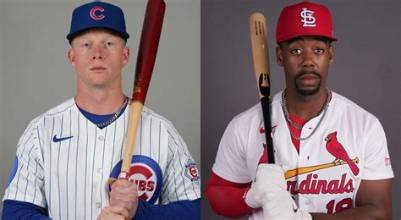
The Cardinals took advantage of scoring chances by delivering timely hits with runners in scoring position. Their pitching staff also limited damage during critical innings, helping secure valuable momentum.
Strong teamwork and smart decision-making allowed St. Louis to stay composed even when the Cubs threatened to rally late in the game.
Cubs Show Fight Despite Disappointing Result
Although the Cubs came up short, there were several encouraging signs. Young players continued to develop, and the team’s offense created multiple scoring opportunities throughout the contest.
However, missed chances and costly mistakes ultimately proved too difficult to overcome. The loss may be disappointing, but Chicago can still build confidence from several positive individual performances.
Fans can follow the latest Cubs updates at:
https://www.mlb.com/cubs
Historic Rivalry Continues to Captivate Baseball Fans
Few rivalries in baseball generate as much excitement as Cardinals vs Cubs. Every meeting carries playoff-like intensity regardless of the standings, making each game must-watch entertainment for baseball fans across the country.
With both clubs continuing their pursuit of postseason success, future meetings promise even more unforgettable moments.
The latest Cardinals news is available at:
https://www.mlb.com/cardinals
Looking Ahead
As the MLB season continues, both teams will focus on improving consistency and climbing the standings. The Cardinals hope to build on their momentum, while the Cubs aim to bounce back quickly and avoid letting one loss define their season.
The rivalry remains one of baseball’s greatest attractions, ensuring that every future Cardinals vs Cubs matchup will draw national attention.
Conclusion
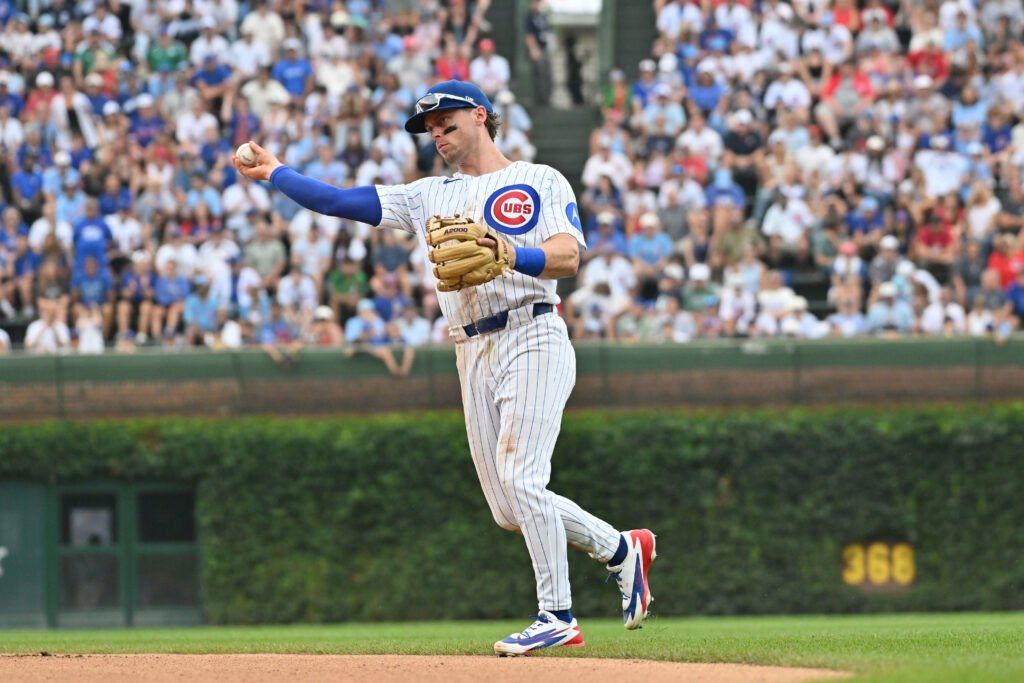
The latest Cardinals vs Cubs showdown delivered exactly what baseball fans expected—intensity, excitement, and unforgettable moments. While the winning side celebrated another important victory, the losing team left with valuable lessons and optimism for the games ahead. With plenty of baseball still to be played, this historic rivalry .
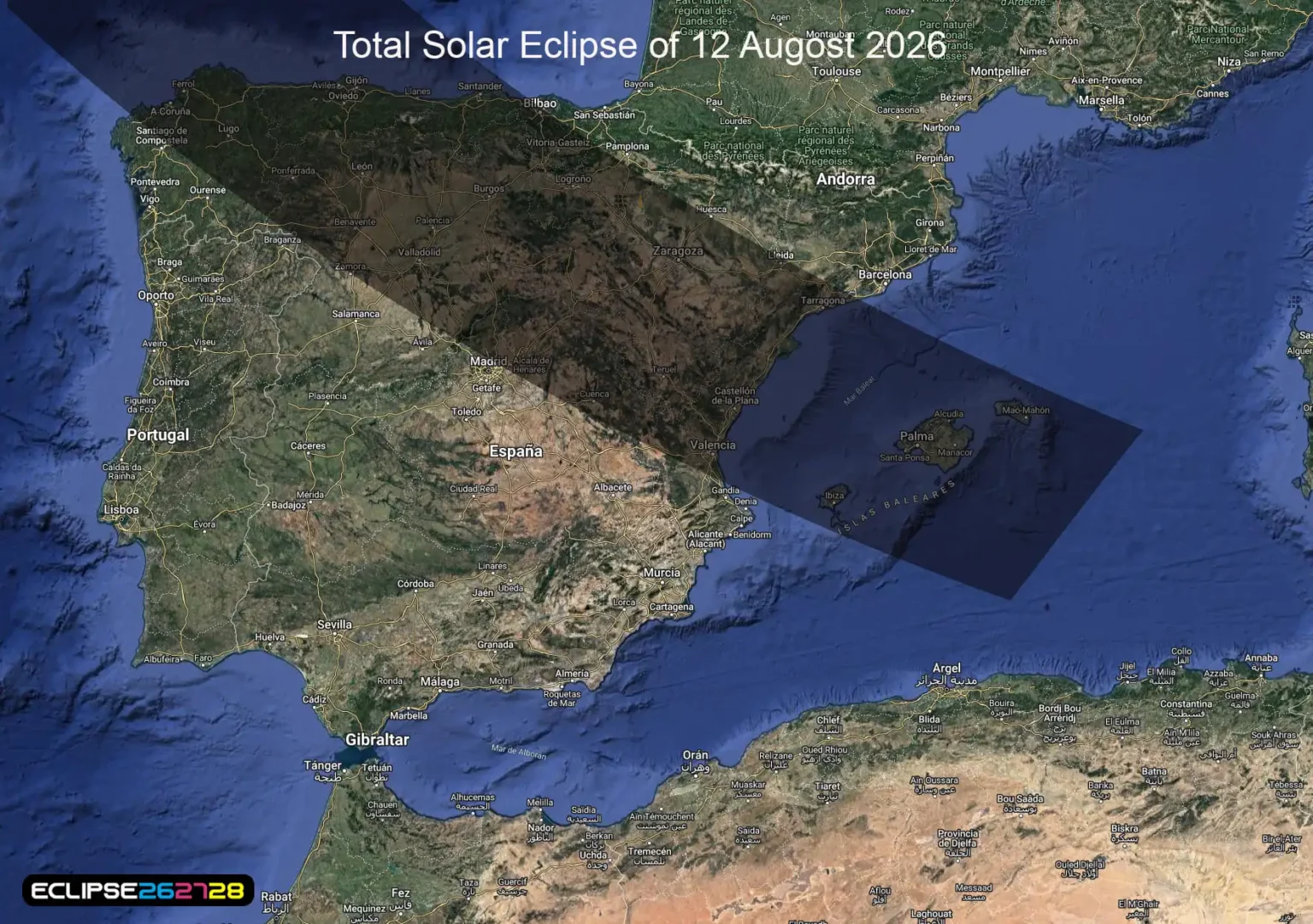
Table of Contents:
A rare celestial event is taking place on August 12, 2026, and skywatchers around the world are preparing to look toward the sky. The big question for many viewers is simple: what time is the solar eclipse on August 12?
The answer depends heavily on your location. The 2026 event is a total solar eclipse along a path crossing parts of Greenland, Iceland, northern Russia and Spain, while many other areas—including parts of the United States—will experience only a partial eclipse.
What Time Is the Solar Eclipse on August 12?

The worldwide eclipse begins at approximately 15:35 UTC, with the greatest eclipse occurring at about 17:47 UTC. Because the eclipse moves across a large geographic area, local viewing times are different from one location to another.
For viewers in the Eastern Time Zone, the greatest eclipse occurs at roughly 1:47 p.m. EDT. However, this does not mean every location in the eastern United States will see totality. Most U.S. viewers outside the path of totality will see a partial eclipse.
Solar Eclipse August 12, 2026: What Will Americans See?
For much of the United States, the event will be a partial solar eclipse, rather than the spectacular total eclipse visible in parts of the North Atlantic and Europe.
In New Jersey, for example, observers will see only a small partial eclipse during the afternoon. Local reporting indicates the eclipse will begin at about 1:05 p.m., peak around 1:45 p.m., and finish around 2:40 p.m. local time.
That means New Jersey viewers should not expect the sky to become completely dark. Instead, the Moon will cover a portion of the Sun.
Where Will the August 12 Eclipse Be Total?
The most dramatic views will occur along the eclipse’s narrow path of totality.
NASA identifies Greenland, Iceland and northern Spain, along with parts of northern Russia, as locations where observers can experience totality.
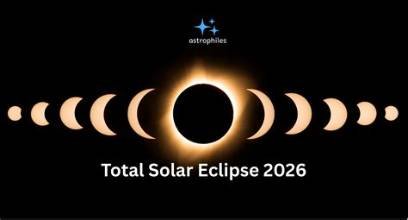
During totality, the Moon completely covers the bright disk of the Sun, allowing the Sun’s much fainter outer atmosphere—the corona—to become visible.
This is the positive side of the event: millions of people have an opportunity to witness a rare astronomical spectacle. But there is also a serious negative risk if people watch without proper eye protection.
Solar Eclipse Safety: Don’t Look Directly at the Sun:What Time Is the Solar Eclipse on August 12

A solar eclipse can be exciting, but ordinary sunglasses are not safe for viewing the Sun.
For a partial eclipse, viewers should use properly certified solar-viewing glasses or another approved solar-filter method. Looking directly at the Sun without suitable protection can cause serious eye injury.
Parents should also make sure children understand that cameras, binoculars and telescopes require appropriate solar filters. Simply putting eclipse glasses over an optical device is not a safe substitute for a properly designed solar filter.
Why August 12, 2026 Is Such an Important Sky Event
The August 12 eclipse is particularly exciting because the path of totality passes through several spectacular northern locations.
For travelers, Iceland, Greenland and northern Spain offer the chance to combine eclipse viewing with an unforgettable trip. For people elsewhere, the partial eclipse still provides an opportunity to observe the Moon passing across the Sun—provided proper eye protection is used.
NASA has also highlighted the August 12 eclipse among its major skywatching events for August 2026.
The Biggest Mistake Eclipse Viewers Should Avoid
The biggest mistake is assuming that everywhere experiences the eclipse at the same time.
The global eclipse begins and ends at different times as the Moon’s shadow moves across Earth. Your exact start, maximum and end times depend on your location.
So, if you’re searching “what time is the solar eclipse on August 12,” the best answer is to check an eclipse calculator for your exact city rather than relying on a single worldwide time.
Final Thoughts:
The August 12, 2026 solar eclipse promises to be a memorable astronomical event. While some locations will experience breathtaking totality, many places—including much of the United States—will see a partial eclipse.
The approximate worldwide schedule puts the greatest eclipse near 17:47 UTC, or about 1:47 p.m. EDT.
Whether you’re watching a partial eclipse from the United States or traveling to the path of totality, preparation is essential. Check your local timing, watch the weather forecast and, most importantly, protect your eyes with proper solar-viewing equipment.
The event may be beautiful—but viewing it carelessly can be dangerous .


Maria Bartiromo’s Stunning Exit Brings New Hope for Her Future

Cardinals vs Cubs:Major League Thrilling Clash Brings Joy Despite Tough Blow

What Time Is the Solar Eclipse on August 12? 1 Stunning Guide

New Movies Streaming – 6 Must-Watch New Movies & Shows Streaming This Weekend (July 18 – 20)

Hollie Strano’s Incredible Comeback: 1 New Radio Gig After WKYC Exit

911 outage – Pennsylvania experiencing problems with 911 calls statewide
-
 Entertainment1 year ago
New Movies Streaming – 6 Must-Watch New Movies & Shows Streaming This Weekend (July 18 – 20)
-
 News1 year ago
Hollie Strano’s Incredible Comeback: 1 New Radio Gig After WKYC Exit
-
 News1 year ago
911 outage – Pennsylvania experiencing problems with 911 calls statewide
-
 News1 year ago
Type 1 Diabetes Barbie Doll – A Step Toward Inclusivity in Toys
-

 Entertainment11 months ago
Donna Jean Godchaux – Heartbreaking Loss: Music Legend Dies at 78
-
 Sports1 year ago
Liverpool vs Athletic Club: Squad Update – Van Dijk, Bradley, Alisson, Gomez Ruled Out
-

 News1 year ago
NYC Subway Flood – Live Updates: NYC Subway Flood Disrupts Commute After Flash Flooding
-

 News1 year ago
Jannik Sinner and Carlos Alcaraz set for Wimbledon final showdown after semifinal wins