
News
Earthquake Alaska – Powerful 6.0 Quake Rattles Alaska: 42-Mile Deep Shock Hits

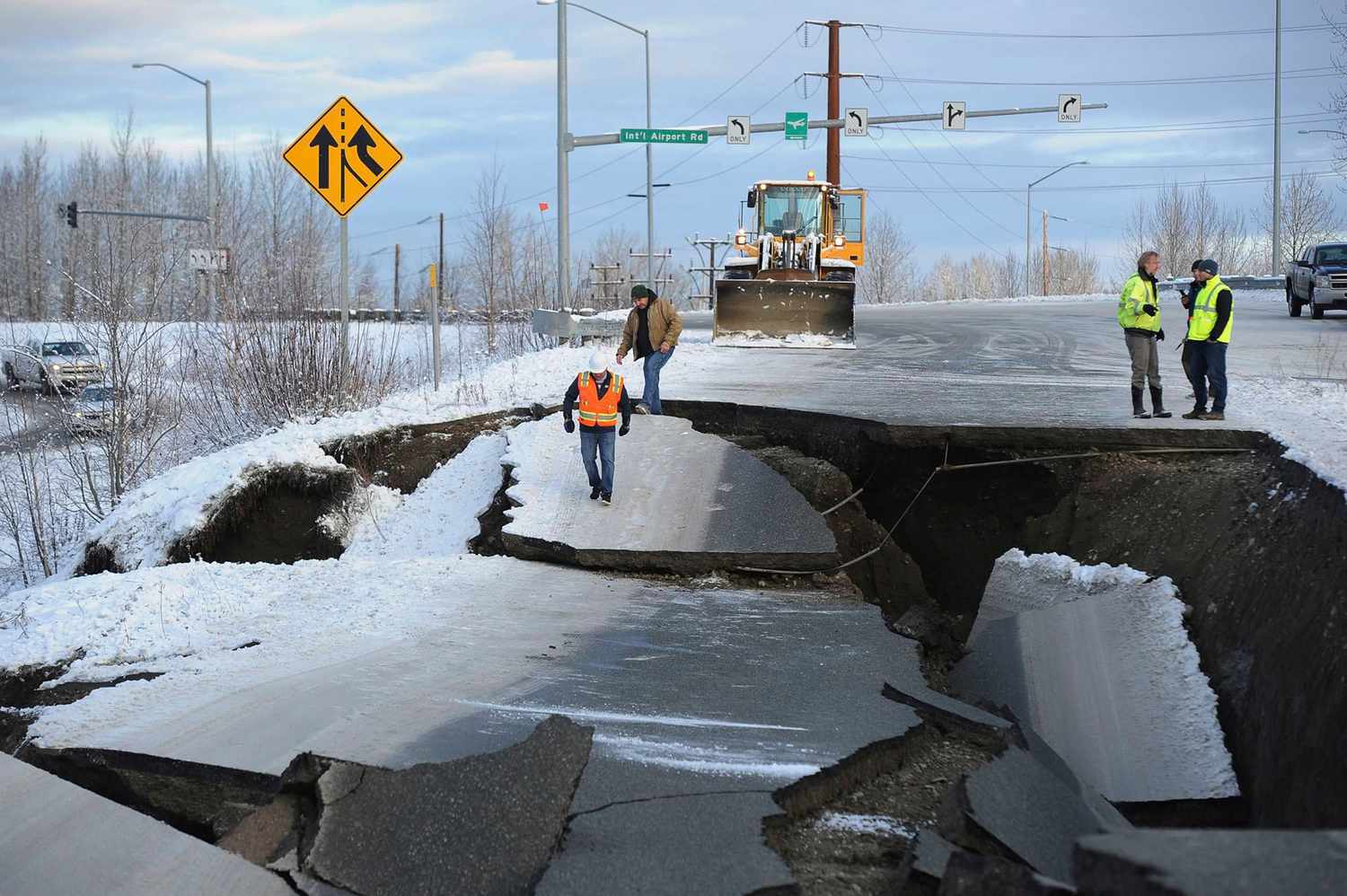
Table of Contents – Earthquake Alaska
Significant 6.0 Magnitude Earthquake Strikes South of Willow, Alaska
ANCHORAGE, Alaska – A substantial earthquake (Earthquake Alaska), registering a magnitude of 6.0, jolted Southcentral Alaska on Thursday, November 27, 2025, according to the United States Geological Survey (USGS). The seismic event serves as a stark reminder of the region’s intense tectonic activity.

The quake’s epicenter was pinpointed approximately 26 miles southwest of Willow, Alaska, at a significant depth of 42.8 miles (69 km). The shaking was reported at 08:11:29 Alaska Standard Time (AKST), with its effects felt across a wide swath of the most populated region in the state.
Widespread Impact Across the Region
The tremor was felt strongly in Alaska’s largest city, Anchorage, which lies just 37 miles (59 km) to the southeast of the epicenter. Other nearby communities, including Wasilla, Palmer, and Eagle River, also experienced the shaking due to the quake’s considerable depth and magnitude.

The USGS “Did You Feel It?” map, a critical tool for gathering citizen reports, likely showed a high density of responses from the Mat-Su Valley and the Anchorage municipality. Initial data suggests this was an intermediate-depth earthquake, a common yet potent type of event for the Cook Inlet region.
Understanding the Tectonic Power of Southern Alaska
This recent 6.0 tremor is not an isolated incident but part of the ongoing geological drama that defines Southern Alaska. The region is one of the most seismically active areas in the world, driven by the collision of massive tectonic plates.

The primary source of the strongest earthquakes is the megathrust fault where the Pacific Plate is forcefully diving beneath, or subducting, the North American Plate. This same fault was responsible for the devastating 1964 M9.2 Great Alaska Earthquake, the second-largest quake ever recorded globally.
The November 27 event is classified as an intermediate-depth earthquake, occurring within the subducting Pacific Plate in what is known as the Wadati-Benioff Zone. This type of quake happens as the plate bends and fractures while descending into the Earth’s mantle. Notable recent examples of similar intermediate-depth events include the 2016 M7.1 Iniskin earthquake and the 2018 M7.1 Anchorage earthquake, both of which caused significant damage and disruption.
Crustal seismicity, which occurs closer to the surface, also poses a significant threat. Faults like the Castle Mountain Fault, located just 25 miles north of Anchorage, have generated damaging quakes in the past, such as the 1984 M5.6 Sutton Earthquake.

A Call for Preparedness
While there were no immediate reports of major damage or injuries from this specific event, it underscores the critical importance of earthquake readiness for all Alaskans. Earthquakes of this magnitude can disrupt infrastructure, damage buildings, and trigger landslides.
Experts consistently advise residents to:
- Secure heavy furniture and appliances to walls.
- Create an emergency kit with food, water, and supplies for at least seven days.
- Develop a family communication plan.
- Know how to “Drop, Cover, and Hold On” during shaking.
This 6.0 magnitude quake acts as a powerful, real-world drill, emphasizing that preparedness is not an option but a necessity for living in the Last Frontier. Residents are encouraged to stay informed through official channels like the Alaska Earthquake Center and the USGS for the latest information and aftershock forecasts.




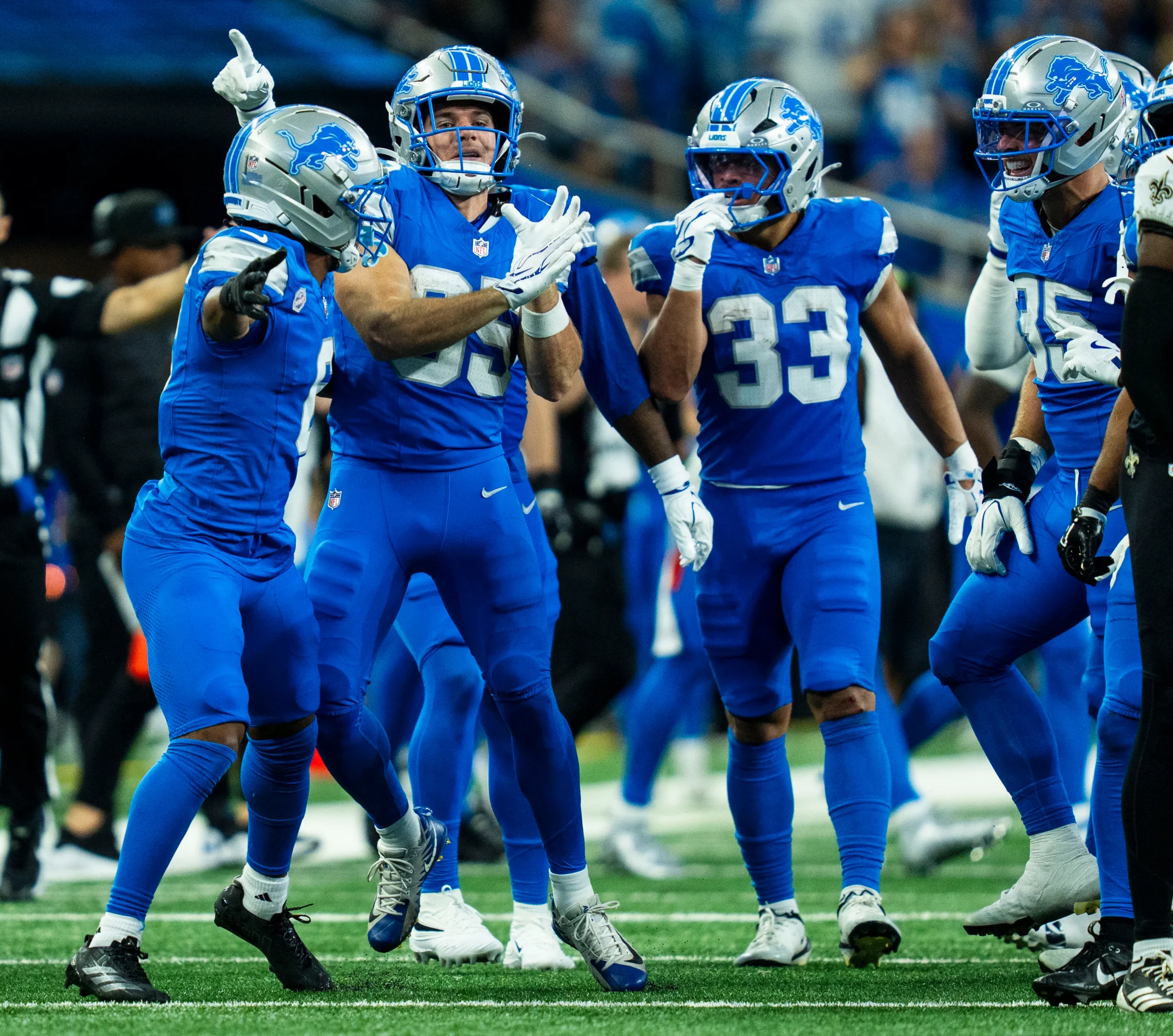
Table of Contents:
Bills vs Lions: Thrilling Opener, Tough Test Ahead Tonight!!!

The Bills vs Lions match up is set to headline Thursday Night Football as two unbeaten teams meet in Buffalo for a highly anticipated Week 2 showdown. Both the Buffalo Bills and Detroit Lions enter the game with 1-0 records after dramatic victories in Week 1. (FOX Sports)
Bills vs Lions Set for New Highmark Stadium Debut
The Detroit Lions will travel to Orchard Park to face the Buffalo Bills at the new Highmark Stadium. Thursday’s game marks the first regular-season NFL contest at the new venue, adding another storyline to an already significant matchup. Kickoff is scheduled for 8:15 p.m. ET, with Amazon Prime Video carrying the national broadcast. (Buffalo Bills)
The Bills enter the matchup after a 36-31 road victory over the Houston Texans. Josh Allen was central to the win, producing a four-touchdown performance as Buffalo rallied late to secure the victory. Tight end Dalton Kincaid also made a major impact with 130 receiving yards. (Syracuse)
Detroit also survived a close opening-week battle, defeating the New Orleans Saints 31-30 in overtime. Jahmyr Gibbs played a major role for the Lions, while Jared Goff and Detroit’s passing attack will now face a Buffalo defense that allowed 31 points in Week 1. (FuboTV)
Josh Allen and Jared Goff Take Center Stage
One of the biggest attractions of the Bills vs Lions game is the quarterback matchup between Josh Allen and Jared Goff.
Allen enters the contest after an impressive opening performance against Houston, while Goff helped guide Detroit through an overtime thriller against New Orleans. Both quarterbacks have experienced offenses around them, creating the potential for another high-scoring Thursday night contest. (Syracuse)
Detroit can also lean heavily on Gibbs, who rushed for 156 yards and two touchdowns against the Saints. Buffalo, meanwhile, will look to James Cook and its passing weapons to maintain offensive momentum. (LegalSportsBetting.com)
Injury Concerns Add Another Layer
The short turnaround could make injuries particularly important.
Buffalo listed safety Cole Bishop, running back Ty Johnson and defensive lineman T.J. Sanders as questionable for Thursday night’s game. Linebacker Terrel Bernard was limited in practice but did not receive an injury designation. (Buffalo Bills)
Detroit also has injury concerns heading into the matchup. Offensive lineman Christian Mahogany and cornerback D.J. Reed were among the players carrying injury designations, while Detroit’s offensive line has been an important area to monitor after the Week 1 overtime win. (Dimers)
A High-Profile Week 2 Showdown

The Bills vs Lions game brings together two teams that started the 2026 season with victories but also showed areas that need improvement.
Buffalo demonstrated offensive firepower in Houston but allowed 31 points. Detroit scored 31 against New Orleans but surrendered a 21-point lead before needing overtime to finish the victory. Those contrasting strengths and weaknesses could make Thursday’s matchup particularly intriguing. (LegalSportsBetting.com)
For fans looking for official viewing information, the Buffalo Bills’ official game guide provides television, streaming and radio details. (Buffalo Bills)
As the Bills prepare for their first regular-season game inside the new Highmark Stadium, the Lions arrive with momentum of their own. With both teams unbeaten, the Bills vs Lions clash has all the ingredients of an important early-season NFL matchup.

Table of Contents:
Maria Bartiromo Leaves Fox News After 12 Years

Maria Bartiromo, one of the most recognizable names in American business television, is leaving Fox News Media after more than 12 years with the company.
Fox News Media announced on September 3, 2026, that Bartiromo is no longer with the network, effective immediately. The company thanked her for her 12½ years of work and wished her well in the next chapter of her career. Fox did not give a reason for the departure.
The announcement came as a surprise to many viewers because Bartiromo had been a familiar presence on both Fox Business Network and Fox News.
What Happened to Bartiromo?
Bartiromo’s final episode of Mornings with Maria aired Thursday morning. Beginning Friday, the program will become Mornings with FOX Business and will use rotating anchors.
Her weekly program,Bartiromo’s Wall Street, will also receive a new name: FBN’s Wall Street. Cheryl Casone will host the program initially, with other anchors expected to rotate into the position.
Meanwhile, Sunday Morning Futures will be hosted by Jason Chaffetz this Sunday while Fox News considers a permanent replacement.
A Remarkable Career on Wall Street:

Although her Fox departure is a major change, Bartiromo has already built an extraordinary career in financial journalism.
Before joining Fox Business in 2014, she spent about two decades at CNBC. She became particularly well known for her work covering Wall Street and financial markets.
In 1995, Bartiromo became the first journalist to report live regularly from the floor of the New York Stock Exchange. The achievement helped establish her as a pioneering figure in television financial journalism.
Over her career, she has interviewed major business and political figures and received numerous awards, including two Emmy Awards and a Gracie Award. She was also inducted into the Cable Hall of Fame in 2011.
An Uncertain but Promising Next Chapter

The biggest unanswered question is what Maria Bartiromo will do next.
Fox News has not publicly explained why the relationship ended, and Bartiromo had not publicly commented on the announcement at the time of the initial reports. That leaves considerable uncertainty surrounding her immediate plans.
Despite the abrupt ending, her long career gives her several possible paths. She could return to financial broadcasting, expand her writing and commentary work, or pursue another role in media and business.
For now, her departure marks the end of an important era at Fox Business. But given Bartiromo’s experience, influence and long-standing presence in financial journalism, this may be less of an ending than the beginning of a new chapter.
Why Maria Bartiromo Remains Important

Maria Bartiromo has spent decades helping audiences understand markets, business and economic policy. From her pioneering work at the New York Stock Exchange to her years at CNBC and Fox, she has remained a prominent figure in American financial media.
Her sudden exit from Fox News may be disappointing for longtime viewers, but her career record suggests that her influence is unlikely to disappear anytime soon.
The next move from Maria Bartiromo could therefore be one of the most closely watched developments in financial media.

Major League
Table of Contents
Cardinals vs Cubs: Rivalry Delivers Another Memorable MLB Battle
Cardinals vs Cubs: Rivalry Delivers Another Memorable MLB Battle
Cardinals vs Cubs: Rivalry Delivers Another Memorable MLB Battle
Cardinals vs Cubs:

The Cardinals vs Cubs rivalry once again lived up to its reputation as one of Major League Baseball’s most exciting matchups. Fans witnessed an intense contest filled with dramatic moments, standout performances, and momentum swings that kept everyone on the edge of their seats. While one team celebrated a hard-earned victory, the other was left searching for answers after a disappointing defeat.
For decades, the rivalry between the St. Louis Cardinals and the Chicago Cubs has produced unforgettable games, and this latest encounter added another exciting chapter to their historic competition.
Strong Performances Light Up the Diamond
Both teams entered the game determined to gain an important advantage in the standings. The Cardinals relied on timely hitting and disciplined pitching, while the Cubs answered with aggressive offense and solid defensive plays.
Several players stepped up during key moments, delivering clutch hits and making spectacular defensive stops. The crowd responded with thunderous cheers as the game remained competitive from the opening inning until the final out.
Official MLB scores and game summaries are available at:
https://www.mlb.com
Cardinals Capitalize on Key Opportunities;

The Cardinals took advantage of scoring chances by delivering timely hits with runners in scoring position. Their pitching staff also limited damage during critical innings, helping secure valuable momentum.
Strong teamwork and smart decision-making allowed St. Louis to stay composed even when the Cubs threatened to rally late in the game.
Cubs Show Fight Despite Disappointing Result
Although the Cubs came up short, there were several encouraging signs. Young players continued to develop, and the team’s offense created multiple scoring opportunities throughout the contest.
However, missed chances and costly mistakes ultimately proved too difficult to overcome. The loss may be disappointing, but Chicago can still build confidence from several positive individual performances.
Fans can follow the latest Cubs updates at:
https://www.mlb.com/cubs
Historic Rivalry Continues to Captivate Baseball Fans
Few rivalries in baseball generate as much excitement as Cardinals vs Cubs. Every meeting carries playoff-like intensity regardless of the standings, making each game must-watch entertainment for baseball fans across the country.
With both clubs continuing their pursuit of postseason success, future meetings promise even more unforgettable moments.
The latest Cardinals news is available at:
https://www.mlb.com/cardinals
Looking Ahead
As the MLB season continues, both teams will focus on improving consistency and climbing the standings. The Cardinals hope to build on their momentum, while the Cubs aim to bounce back quickly and avoid letting one loss define their season.
The rivalry remains one of baseball’s greatest attractions, ensuring that every future Cardinals vs Cubs matchup will draw national attention.
Conclusion

The latest Cardinals vs Cubs showdown delivered exactly what baseball fans expected—intensity, excitement, and unforgettable moments. While the winning side celebrated another important victory, the losing team left with valuable lessons and optimism for the games ahead. With plenty of baseball still to be played, this historic rivalry .


Bills vs Lions: Thrilling Opener, Tough Test Ahead Tonight!!!

Maria Bartiromo’s Stunning Exit Brings New Hope for Her Future

Cardinals vs Cubs:Major League Thrilling Clash Brings Joy Despite Tough Blow

New Movies Streaming – 6 Must-Watch New Movies & Shows Streaming This Weekend (July 18 – 20)

Hollie Strano’s Incredible Comeback: 1 New Radio Gig After WKYC Exit

911 outage – Pennsylvania experiencing problems with 911 calls statewide
-
 Entertainment1 year ago
New Movies Streaming – 6 Must-Watch New Movies & Shows Streaming This Weekend (July 18 – 20)
-
 News1 year ago
Hollie Strano’s Incredible Comeback: 1 New Radio Gig After WKYC Exit
-
 News1 year ago
911 outage – Pennsylvania experiencing problems with 911 calls statewide
-
 News1 year ago
Type 1 Diabetes Barbie Doll – A Step Toward Inclusivity in Toys
-

 Entertainment11 months ago
Donna Jean Godchaux – Heartbreaking Loss: Music Legend Dies at 78
-

 Sports1 year ago
Liverpool vs Athletic Club: Squad Update – Van Dijk, Bradley, Alisson, Gomez Ruled Out
-

 News1 year ago
NYC Subway Flood – Live Updates: NYC Subway Flood Disrupts Commute After Flash Flooding
-

 News1 year ago
Jannik Sinner and Carlos Alcaraz set for Wimbledon final showdown after semifinal wins