
News
Tteokbokki: Baek Se-hee’s Heartbreaking Yet Inspiring Legacy: Korean Author Dies at 35


Table of Contents
Tteokbokki: Baek Se-hee’s Heartbreaking Yet Inspiring Legacy: Korean Author Dies at 35
A Sad Farewell to a Powerful Voice

Renowned South Korean author Baek Se-hee, best known for her bestselling memoir “I Want to Die but I Want to Eat Tteokbokki”, has died at the age of 35.
Her passing was announced by the Korea Organ Donation Agency, which shared that Baek’s final act of generosity saved five lives through the donation of her heart, lungs, liver, and kidneys.
While the cause of death has not been revealed, her impact on readers worldwide continues to resonate deeply.
A Voice That Spoke the Unspoken:Tteokbokki
Baek Se-hee captured the hearts of millions with her raw and relatable honesty about living with depression and anxiety. Her 2018 memoir documented her conversations with a psychiatrist over twelve weeks, interwoven with intimate reflections that helped readers confront their own struggles.
Her book became an international bestseller, reaching audiences far beyond South Korea and sparking global conversations about mental health and self-acceptance.
Her publisher, Bloomsbury Publishing, shared an emotional tribute:
“The generosity Baek Se-hee showed in sharing her own story with such vulnerability and candour cannot be understated. She sought connection and wanted her words to be of help and consolation.”
Tributes Pour in from Fans and Colleagues:Tteokbokki
Anton Hur, the translator of her memoir, expressed his grief on social media, saying Baek “touched millions of lives with her writing. My thoughts are with her family.”
Her authenticity and courage inspired countless readers who saw themselves in her words.
Beyond Her First Memoir: Continuing the Conversation
Following the success of her debut, Baek published a sequel in 2019, “I Want to Die but I Still Want to Eat Tteokbokki”, which delved deeper into her ongoing journey toward contentment and healing.
Bloomsbury described it as a testament that “striving for happiness is an ongoing journey,” a message that continues to comfort readers today.
Understanding Baek’s Battle: Dysthymia and Mental Health
Baek Se-hee publicly shared her struggle with dysthymia, also known as persistent depressive disorder, a long-term form of depression.
According to the National Institute of Mental Health (NIH), dysthymia affects about 1.5% of U.S. adults annually and can last for years, often going unnoticed.
By speaking openly about her condition, Baek helped destigmatize mental health discussions in both South Korea and abroad.
An Enduring Message of Hope
Though her death leaves a painful void, Baek Se-hee’s words continue to offer solace to those who struggle in silence. Her legacy is one of honesty, empathy, and courage — proving that even in darkness, there is room for hope and connection.
Her final act of organ donation is a reflection of the compassion that defined her life and writing — a reminder that her story, though tragically brief, continues to save lives.
If You Need Help:Tteokbokki

If you or someone you know is in crisis, you are not alone.
Call 988 to reach the Suicide and Crisis Lifeline in the U.S., or text HOME to 741741.
You can also visit SpeakingOfSuicide.com/resources for global mental health support.
✅ Positive Sentiment: Her bravery, honesty, and generosity in life and death continue to inspire.
❌ Negative Sentiment: The literary world mourns the devastating loss of a voice that helped millions understand mental health.




Threats against Federal Judges – 6 Vicious Threats Forced Federal Judges Into Hiding
Table of Contents
Shocking Truths Behind the Crisis Facing American Courts Today
The American judicial system is facing an unprecedented security emergency. (Threats against Federal Judges Forced Federal Judges) Following high-profile legal decisions, federal jurists across the country are experiencing a terrifying wave of personal intimidation, harassment, and targeted violence. U.S. District Judge John McConnell recently stepped forward to detail the alarming reality of what happens when the courtroom battle spills directly onto judges’ doorsteps.

For comprehensive coverage on judicial safety policies, you can review updates directly via The Washington Post or monitor official updates from the U.S. Courts Website regarding institutional protections.
The Ruling That Triggered a Dangerous Backlash
The crisis intensified dramatically after McConnell, an Obama-appointed federal judge based in Rhode Island, issued a temporary block against the Trump administration’s sweeping federal funding freeze. While legal disagreements are a standard pillar of American jurisprudence, this ruling unleashed an unprecedented torrent of hostility.

According to reports verified by the U.S. Marshals Service, McConnell faced at least six highly credible death threats shortly after the decision came down. Judicial officials note that security incidents targeting federal judges nationwide have surged dramatically over recent fiscal years, pointing to a systemic breakdown in civil discourse. Additional context regarding federal oversight and safety legislation can be tracked via resources on Reuters.
A Chilling Form of Intimidation: The “Pizza Doxxing” Phenomenon
While hundreds of abusive phone calls and hostile emails flooded the Rhode Island federal courthouse—including explicit assassination wishes left on voicemail—one specific incident crossed a terrifying psychological line.

An unsolicited pizza delivery arrived at McConnell’s private residence. Upon inspecting the order details, McConnell discovered it had been placed under the name Daniel Anderl.
For the American legal community, that name carries profound trauma. Daniel Anderl was the 20-year-old son of New Jersey federal judge Esther Salas. In July 2020, a gunman posing as a delivery driver targeted Judge Salas’s home, fatally shooting her son. Using Daniel’s name for a delivery to another sitting judge’s home was quickly recognized by authorities as a calculated psychological warning—a practice federal prosecutors have designated as “pizza doxxing”.
“I don’t think anything disturbed me as much as that did,” McConnell expressed, highlighting how modern harassment seeks to weaponize past tragedies against judicial families.
When Harassment Targets the Family
The intimidation tactics did not stop at professional disagreement or anonymous mail. Members of McConnell’s immediate family were dragged directly into the political crossfire.

Federal authorities warned McConnell that specific death threats had been made against his wife. Furthermore, his daughter became a target after far-right activist Laura Loomer published critical commentary regarding McConnell’s funding freeze ruling on social media. The post explicitly featured a photograph of McConnell’s daughter alongside her personal identifying information.
The exposure amplified exponentially when high-profile public figures, including Elon Musk, reshared the post to millions of followers on X. Reflecting on the escalation, McConnell shared a deeply personal sentiment:
- Professional Tolerance: “I signed up for whatever, I’ll take the lumps.”
- Family Impact: When the backlash reached his daughter, it felt as though “someone put a dagger through my heart.”
Supreme Court Justices Demand Urgent Action
The terrifying experiences of district judges like McConnell are mirrored at the highest levels of American law. Supreme Court Justices Elena Kagan and Amy Coney Barrett have appeared before Congress to lobby for millions of dollars in emergency security funding.
Justice Barrett faced intense public scrutiny and personal criticism following high-profile rulings on controversial topics such as tariff policies and birthright citizenship. During congressional oversight hearings, Justice Kagan openly denounced the rising tide of aggressive rhetoric, labeling current attacks against members of the judiciary as profoundly “dangerous”.
The White House Response and the Debate Over Free Speech
As federal judges sound the alarm, political leaders face mounting pressure to draw a clear line between robust public criticism and stochastic harassment.
The White House strongly rejected claims that political rhetoric from administration officials directly invites violence against judges. White House spokesperson Abigail Jackson dismissed such arguments as “deeply unserious,” asserting that the administration remains fully committed to protecting every member of the judicial branch.
Despite these assurances, legal experts and nonpartisan organizations argue that the line between political opposition and dangerous intimidation continues to blur, threatening the core independence of the American legal framework.

Table of Contents:
Jonathan Taylor Thomas: The Child Star Who Chose Privacy Over Fame
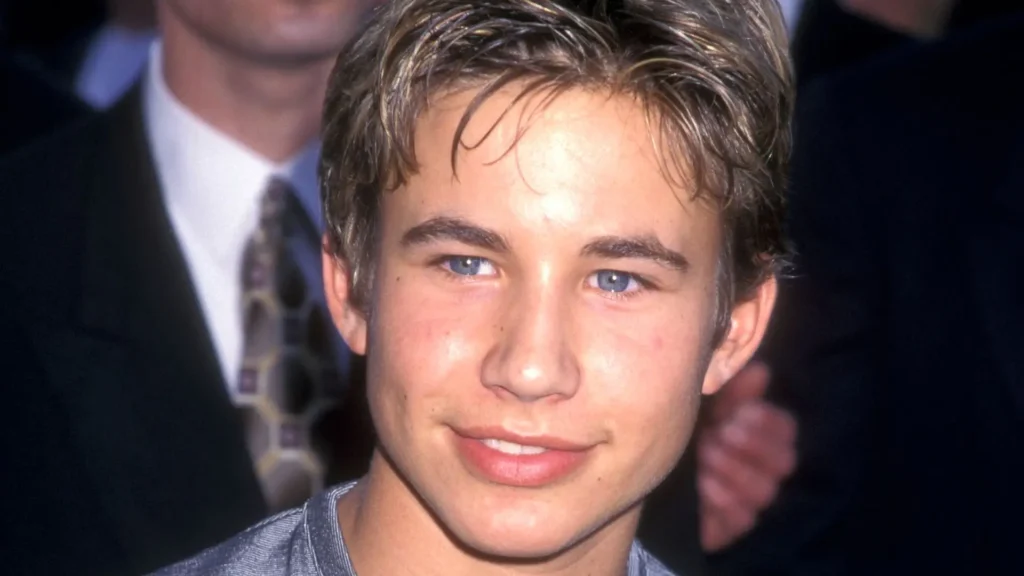
For millions of fans who grew up in the 1990s, Jonathan Taylor Thomas was one of Hollywood’s brightest young stars. Best known for his role as Randy Taylor on the hit sitcom Home Improvement and as the voice of young Simba in Disney’s The Lion King (1994), Thomas became a household name at an early age. While his career was filled with success and admiration, his decision to step away from the spotlight sparked years of speculation. Today, his story is viewed as both an inspiring example of personal choice and a reminder of the challenges of child stardom.
Early Rise to Fame
Jonathan Taylor Thomas began acting at a young age and quickly captured audiences with his natural charisma and talent. His breakthrough came with ABC’s Home Improvement, where he starred alongside Tim Allen from 1991 to 1998.
At the same time, he became one of the most recognizable voices in animation after portraying young Simba in Disney’s blockbuster film The Lion King. His performances made him one of the most popular teen actors of the decade.
Learn more about his career on IMDb:
https://www.imdb.com/name/nm0858479/
Hollywood Success and Fan Following
Throughout the 1990s, Thomas starred in several successful family films, including:
- Man of the House (1995)
- Tom and Huck (1995)
- Wild America (1997)
- I’ll Be Home for Christmas (1998)
His popularity extended beyond television and film, with appearances on magazine covers and numerous fan polls naming him one of the era’s favorite young celebrities.
Disney’s official information about The Lion King can be found here:
https://movies.disney.com/the-lion-king-1994
Why Jonathan Taylor Thomas Left Hollywood
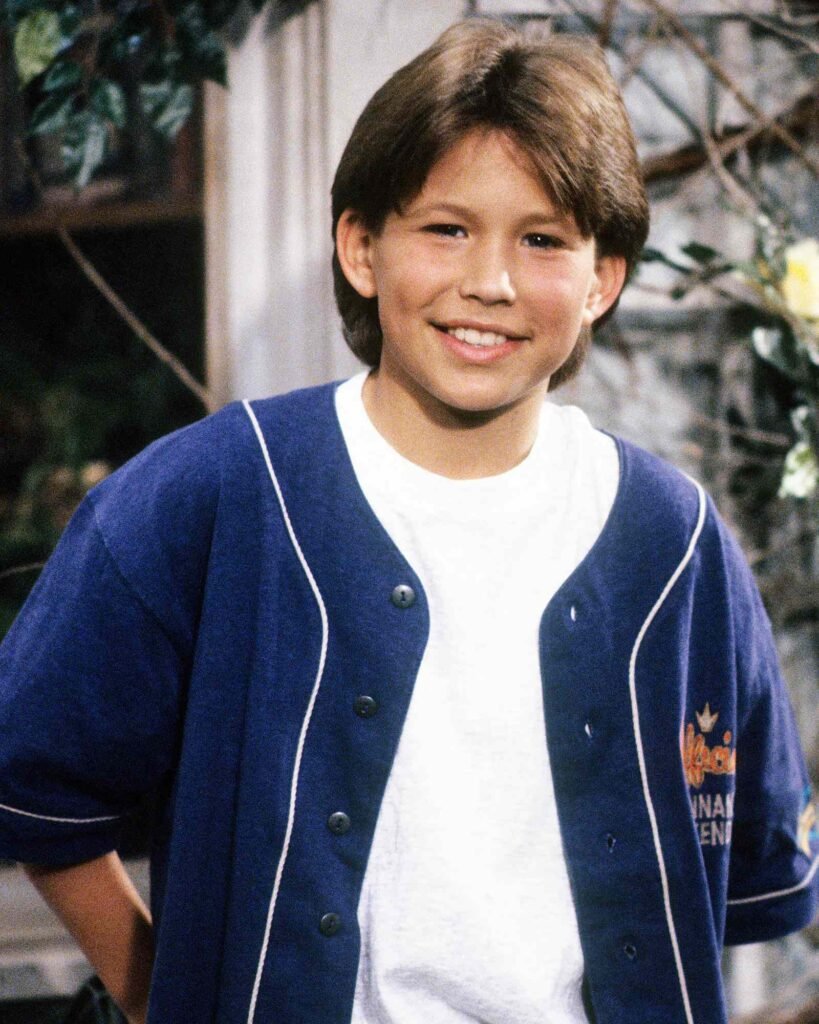
Despite achieving enormous fame, Jonathan Taylor Thomas surprised many fans by stepping away from acting during the late 1990s.
Rather than continuing to pursue celebrity status, he focused on his education, attending prestigious institutions including Harvard University and Columbia University before continuing studies at St. Andrews in Scotland.
In interviews, Thomas explained that he wanted to experience life outside Hollywood and never felt entirely comfortable with constant public attention.
A Private Life Away from the Spotlight
Unlike many former child stars, Jonathan Taylor Thomas has largely stayed away from social media and public appearances.
He occasionally reunited with former Home Improvement co-star Tim Allen by directing and guest-starring in episodes of Last Man Standing, delighting longtime fans.
However, he continues to maintain a low profile, making only rare public appearances and avoiding the celebrity lifestyle.
His Lasting Legacy:

Jonathan Taylor Thomas remains one of the most memorable actors of the 1990s. His decision to prioritize personal happiness and education over continuous fame has earned respect from fans and industry observers alike.
Although many continue hoping for a major acting comeback, Thomas has shown that success can also mean choosing a quieter, more private life.
His legacy continues through beloved television episodes, classic family films, and one of Disney’s most iconic animated characters.
News
Yaxel Lendeborg:Shocking Rise & Inspiring Promise: 1 Yaxel Lendeborg Story That’s Turning Doubt Into Hope
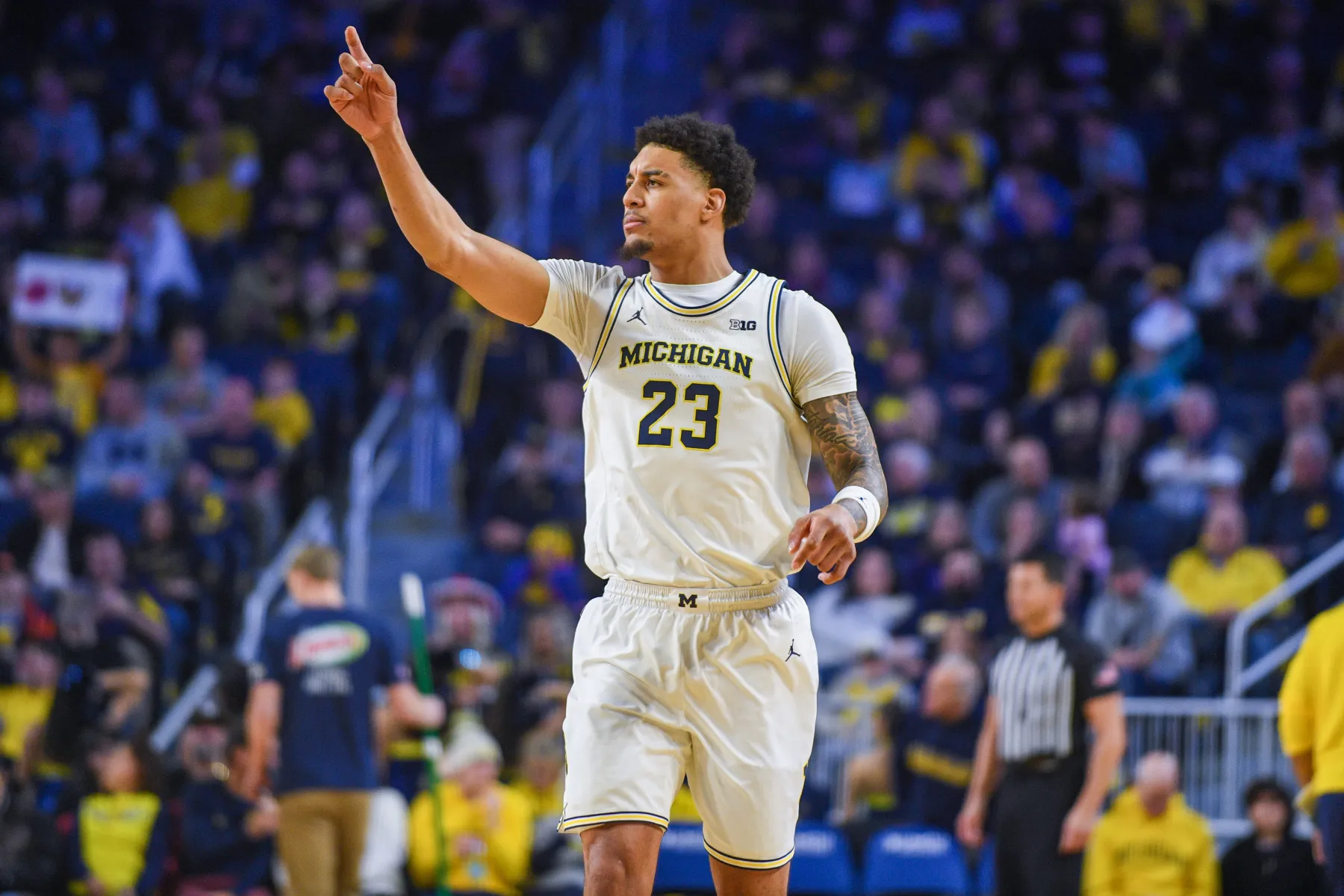
Table of Contents
Introduction: Why Yaxel Lendeborg Is Suddenly in the Spotlight
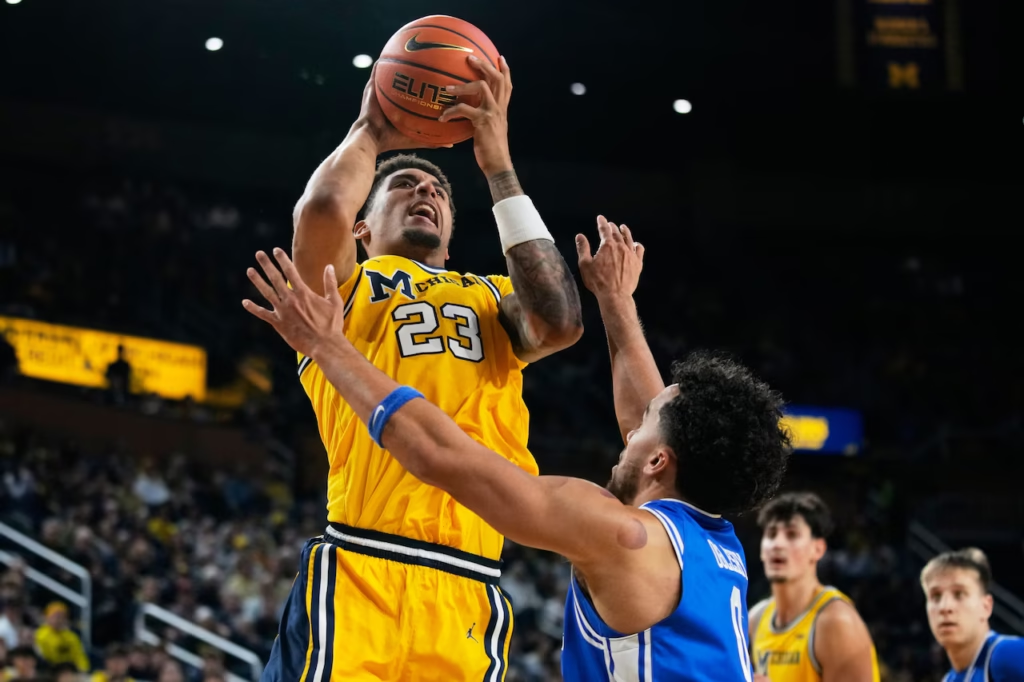
In the constantly evolving world of college basketball, few names have generated quiet curiosity and growing excitement like . Once overlooked and lightly recruited, Lendeborg’s journey reflects both the harsh realities and the hopeful rewards of perseverance in modern basketball. His recent performances have sparked conversations among analysts, fans, and scouts who now see him as a potential breakout star rather than just another role player.
Early Life and Basketball Background
Yaxel Lendeborg’s basketball journey did not begin with national headlines or five-star rankings. Like many developing players, his early years were marked by steady improvement, discipline, and patience. He focused on fundamentals—rebounding, interior defense, and physical play—areas that often go unnoticed in highlight culture but are essential to winning basketball.
Despite limited early attention, Lendeborg continued to develop his game through consistent effort, showing strong work ethic and adaptability at every stage of his career.
College Career Development: From Doubt to Determination

At the college level, Yaxel Lendeborg faced the dual challenge of proving himself while adjusting to faster pace and stronger competition. Early minutes were limited, and expectations were modest. However, instead of fading into the background, he used those challenges as fuel.
Over time, his growth became evident:
- Improved rebounding efficiency
- Better defensive positioning
- Increased confidence finishing around the rim
These improvements slowly earned him more playing time and greater trust from coaches.
Playing Style and On-Court Impact
Lendeborg’s game is built on reliability rather than flash. He thrives in physical matchups and contributes in ways that don’t always appear on stat sheets.
Key Strengths:
- Strong interior defense
- High basketball IQ
- Consistent rebounding presence
- Team-first mentality
While he may not dominate scoring charts, his ability to control the paint and provide second-chance opportunities has made him a valuable asset in competitive games.
Recent Performances Fuel Rising Buzz
Recent stretches of play have significantly raised Yaxel Lendeborg’s profile. Analysts have highlighted his improved conditioning and smarter shot selection, noting how he now impacts games on both ends of the floor.
This rise has not erased earlier doubts, but it has reframed the narrative—from “limited upside” to “underrated potential.” That shift in perception is what makes his story compelling.
What’s Next for Yaxel Lendeborg?
The road ahead still carries uncertainty. Consistency remains the key question, and sustaining performance under pressure will determine his long-term outlook. However, with continued development, Lendeborg could become a crucial rotational player or even draw interest at higher levels of competition.
For now, his journey stands as proof that growth in basketball is rarely linear—and that persistence can turn skepticism into belief.
Why His Story Matters in College Basketball

Yaxel Lendeborg represents a broader truth in sports: not every impactful player arrives with hype. Some earn respect through resilience, effort, and steady improvement. In an era obsessed with instant stardom, his path offers a refreshing reminder that development still matters.
Related Coverage & Sources
- NCAA Men’s Basketball Updates: https://www.ncaa.com
- College Basketball Player Analysis: https://www.espn.com/mens-college-basketball
- Recruiting and Development News: https://247sports.com


Threats against Federal Judges – 6 Vicious Threats Forced Federal Judges Into Hiding

Jonathan Taylor Thomas: Inspiring Comeback or Quiet Exit? Shocking Truth

Yaxel Lendeborg:Shocking Rise & Inspiring Promise: 1 Yaxel Lendeborg Story That’s Turning Doubt Into Hope

New Movies Streaming – 6 Must-Watch New Movies & Shows Streaming This Weekend (July 18 – 20)

Hollie Strano’s Incredible Comeback: 1 New Radio Gig After WKYC Exit

911 outage – Pennsylvania experiencing problems with 911 calls statewide
-
 Entertainment1 year ago
New Movies Streaming – 6 Must-Watch New Movies & Shows Streaming This Weekend (July 18 – 20)
-
 News12 months ago
Hollie Strano’s Incredible Comeback: 1 New Radio Gig After WKYC Exit
-
 News1 year ago
911 outage – Pennsylvania experiencing problems with 911 calls statewide
-
 News1 year ago
Type 1 Diabetes Barbie Doll – A Step Toward Inclusivity in Toys
-

 Entertainment9 months ago
Donna Jean Godchaux – Heartbreaking Loss: Music Legend Dies at 78
-

 Sports1 year ago
Liverpool vs Athletic Club: Squad Update – Van Dijk, Bradley, Alisson, Gomez Ruled Out
-

 News1 year ago
NYC Subway Flood – Live Updates: NYC Subway Flood Disrupts Commute After Flash Flooding
-

 News1 year ago
Jannik Sinner and Carlos Alcaraz set for Wimbledon final showdown after semifinal wins