
Politics
Sara Rodriguez Announces Bid for Wisconsin Governor: A New Hope for Healthcare and Education


Table of Contents
Wisconsin Lt. Gov. Sara Rodriguez Enters Crowded Democratic Primary for Governor
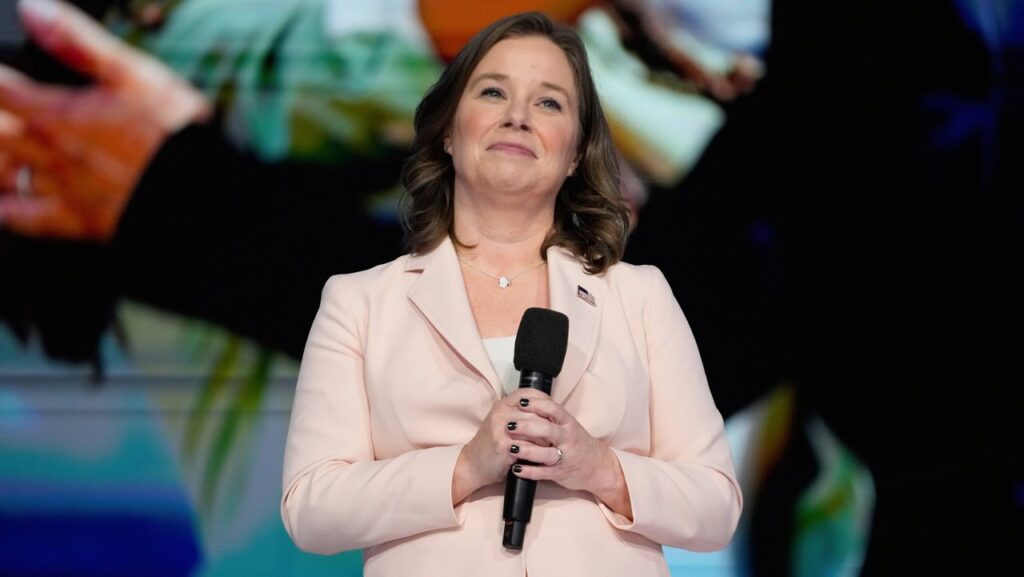
Wisconsin Lt. Gov. Sara Rodriguez officially launched her gubernatorial campaign on Friday, becoming the first Democrat to enter what is expected to be a highly competitive primary to replace the retiring Gov. Tony Evers.

A former emergency room nurse, healthcare executive, and state legislator, Rodriguez is positioning herself as a champion for Medicaid expansion, teacher pay raises, and economic support for farmers and small businesses. Her campaign announcement video highlighted her healthcare background and criticized former President Donald Trump’s policies, while calling for a stronger Wisconsin under Democratic leadership.
Key Issues in Sara Rodriguez’s Campaign
1. Expanding Medicaid in Wisconsin
Rodriguez made Medicaid expansion a central issue in her campaign, pointing out that 41 other states have already done so.
“Our legislature refuses to expand Medicaid, even though it would help thousands of families and boost our healthcare workforce,” she said in her announcement. “With a Democratic governor, we can finally make this happen.”
2. Raising Pay for Public School Teachers
Another major focus of Rodriguez’s campaign is education reform, including higher salaries for teachers and increased funding for public schools.
“Our teachers deserve better pay, and our kids deserve better resources,” she emphasized.
3. Supporting Farmers, Unions, and Small Businesses
Rodriguez also pledged to strengthen Wisconsin’s agriculture sector and support unions and small businesses, criticizing Trump’s tariffs for harming local farmers.
Who is Sara Rodriguez?
Before entering politics, Rodriguez worked as an ER nurse, later transitioning into healthcare leadership and serving in the Wisconsin State Assembly. Her campaign video highlights her journey from healthcare to public service, framing her as a pragmatic leader with real-world experience.
A Crowded Democratic Primary Ahead
With Gov. Evers stepping down, the Democratic field is expected to grow. Potential contenders include:
- Attorney General Josh Kaul
- Milwaukee County Executive David Crowley
- State Sen. Kelda Roys
- Milwaukee Mayor Chevy Johnson
Republicans Gear Up for Their Own Battle
On the GOP side, several high-profile figures are considering a run, including:
- Former Gov. Scott Walker, who hinted at a possible return with a “Make Wisconsin Great Again” hat post
- Rep. Tom Tiffany, who has expressed interest
- Business executive Bill Berrien, already in the race
Why Sara Rodriguez’s Campaign Matters
Wisconsin remains a critical battleground state, with Trump winning it by a razor-thin margin in 2024. Rodriguez’s focus on healthcare, education, and economic fairness could resonate with voters looking for a progressive yet practical leader.
What’s Next for the Wisconsin Governor’s Race?
As the 2026 election cycle heats up, Sara Rodriguez’s early entry gives her a head start in fundraising and name recognition. However, with multiple strong candidates likely joining the race, the primary will be fiercely contested.
Will Sara Rodriguez’s healthcare background and policy priorities be enough to win over Wisconsin voters? Only time will tell, but one thing is certain—this race will be one to watch.

Table of Contents:
Shamell Naquan Joyner Jury Evidence: Shocking Trial Twist :

Shamell Naquan Joyner Jury Evidence: Jury’s Unexpected Discovery Raises Questions
A dramatic turn unfolded in the federal trial of Shamell Naquan Joyner after jurors reportedly discovered items hidden inside evidence that had not been identified by investigators, prosecutors, or the defense before deliberations began. The unexpected finding sparked debate about evidence handling while also highlighting the jury’s careful review of the case. (The Daily Beast)
Although the discovery surprised everyone in the courtroom, the judge instructed jurors not to consider the newly found items as evidence because they had not been formally introduced during the trial. (The Daily Beast)
What Happened During Jury Deliberations?
According to court proceedings, jurors examining clothing that had been admitted into evidence found a Chinese yuan banknote and a small amount of white powder inside pockets that had apparently gone unnoticed throughout the investigation and trial. (The Daily Beast)
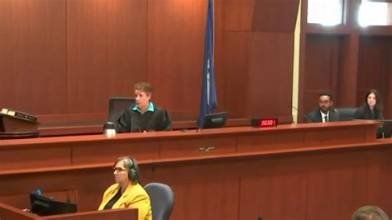
The discovery immediately paused deliberations, prompting U.S. District Judge Rudolph Contreras to question each juror individually to ensure they could remain impartial and disregard the newly discovered items. The judge emphasized that these materials were not part of the official evidence presented at trial. (The Daily Beast)
Charges Against Shamell Naquan Joyner
Federal prosecutors accused Shamell Naquan Joyner of multiple serious offenses connected to a series of robberies and carjackings that allegedly occurred in Washington, D.C., Maryland, and Virginia during 2023.
The superseding indictment included charges such as:
- Hobbs Act robbery
- Armed carjacking
- Interstate transportation of stolen vehicles
- Brandishing and discharging a firearm during violent crimes
- Possession of a firearm by a convicted felon
These charges formed part of a 28-count federal indictment. (Department of Justice)
Judge Responds to Evidence Oversight
Judge Rudolph Contreras openly expressed surprise that the hidden items had not been discovered during the investigation.
Despite the unusual circumstances, each juror confirmed they could ignore the newly found materials and continue deliberating solely on the evidence properly admitted during trial. (The Daily Beast)
Legal experts noted that while evidence oversights are uncommon, judges have procedures available to prevent such discoveries from unfairly influencing a verdict.
Jury Verdict
After resuming deliberations, the jury reached a mixed verdict.
According to court reports:
- The jury convicted Joyner on 13 of the 28 federal charges.
- Jurors were unable to reach unanimous decisions on the remaining 15 counts, resulting in a partial deadlock.
- The convictions carry a lengthy mandatory minimum prison sentence under federal law. (The Daily Beast)
The split verdict illustrates that jurors carefully evaluated each charge independently rather than issuing an all-or-nothing decision.
Why the Discovery Matters
The incident has generated significant discussion among legal professionals because the overlooked items remained inside evidence throughout the investigation, pretrial review, and courtroom proceedings.
The case highlights several important issues:
- Proper evidence handling
- Chain-of-custody procedures
- Jury responsibility
- Judicial safeguards protecting fair trials
Although the discovery created headlines, the judge’s instructions were designed to ensure that the verdict rested only on legally admitted evidence. (The Daily Beast)
Broader Impact on the Justice System
Cases involving unexpected courtroom developments often lead to renewed discussions about investigative procedures and evidence management.
Legal observers say this trial demonstrates two important realities:
- Careful jurors can identify issues that others may overlook.
- Courts have safeguards intended to preserve fairness even when unexpected events occur.
Whether additional legal motions or appeals follow remains to be seen.
Official Resources
- U.S. Department of Justice – U.S. Attorney’s Office for the District of Columbia
- Federal Court Opinion (United States v. Joyner)
Conclusion:
The Shamell Naquan Joyner jury evidence case has drawn national attention because of an extraordinary courtroom moment in which jurors uncovered items that had escaped notice throughout the investigation. While the discovery exposed shortcomings in evidence handling, the court took immediate steps to protect the integrity of the trial. The resulting mixed verdict underscores the importance of impartial juries, judicial oversight, and strict adherence to courtroom procedures in the American justice system.
Table of Contents
2027 Could Become a Defining Year for the Future

The year is already attracting attention as governments, businesses, technology companies and entertainment industries prepare for major developments. From artificial intelligence and digital transformation to international sports and changing consumer habits, the year could bring exciting opportunities while also creating serious challenges.
Some developments are already scheduled. The FIFA Women’s World Cup will take place in Brazil, while the Cricket World Cup is scheduled across South Africa, Zimbabwe and Namibia. The first Olympic Esports Games are also planned for Riyadh.
For consumers and businesses, however, the biggest story may be technological change.
Artificial Intelligence Could Dominate 2027
Artificial intelligence is expected to play an even larger role in everyday life by 2027. Businesses are increasingly using AI for research, customer service, marketing, software development and content creation.
The potential benefits are significant. AI could help companies become more productive, assist doctors with complex tasks and provide consumers with increasingly personalized digital services.
But there is also a darker side. Concerns about misinformation, cybersecurity, privacy and job disruption are likely to remain major issues. The challenge will be finding a balance between innovation and responsible use.
2027 Could Be a Major Year for Entertainment

The global entertainment industry is expected to continue its shift toward digital platforms, streaming, gaming and advertising.
PwC previously projected that global entertainment and media revenue could reach approximately $2.8 trillion, with digital sources accounting for nearly three-quarters of industry revenue. Gaming was identified as one of the industry’s major growth engines.
That creates a positive outlook for filmmakers, musicians, game developers and digital creators. At the same time, intense competition could make it harder for individual streaming services and entertainment companies to maintain profitability.
Major Sports Events Will Bring Global Attention
Sports will be another important part of the calendar.
The 2027 FIFA Women’s World Cup in Brazil is expected to generate substantial international interest. Women’s professional soccer is also continuing to grow in the United States, with the NWSL positioning its 2027 season around the broader international soccer calendar.
Cricket fans will also have a major event to follow, with the Cricket World Cup scheduled to be hosted by South Africa, Zimbabwe and Namibia.
These events could provide positive economic opportunities for host countries, tourism businesses and broadcasters, although large sporting events can also face challenges involving costs, infrastructure and logistics.
Technology Companies Prepare for a New Era
Technology exhibitions are already looking forward to it. CES for example, is scheduled for January 6–9 in Las Vegas, highlighting how artificial intelligence, connected devices and other emerging technologies will remain central to the technology industry.
Businesses are expected to focus heavily on:
Artificial intelligence
Robotics
Cloud computing
Cybersecurity
Connected devices
Electric vehicles
Renewable energy
Advanced digital services
The positive possibility is faster innovation. The negative concern is that companies and workers that fail to adapt could find themselves increasingly behind their competitors.
The Global Economy Faces Opportunities and Risks
The economic picture for 2027 is difficult to predict with certainty.
Technology investment could support productivity and create new industries. However, inflation, interest rates, geopolitical tensions and changes in consumer spending could create uncertainty.
Businesses are therefore likely to prioritize efficiency and flexibility. Companies capable of adopting new technology without losing sight of customer needs could have an advantage.
Climate and Renewable Energy Remain Important
Climate change will remain a major concern in 2027.
Governments and businesses are expected to continue investing in renewable energy, electric transportation and more efficient infrastructure. These developments could create new industries and jobs while reducing dependence on fossil fuels.
However, extreme weather, rising infrastructure costs and disagreements over environmental policies could create significant obstacles.
Positive Outlook: Innovation Creates New Opportunities
There are plenty of reasons to be optimistic about 2027.
Technology could make healthcare more efficient, businesses could become more productive, and consumers could gain access to better digital products. International sporting and entertainment events could also create tourism and economic opportunities.
For workers, learning new digital skills may open doors to emerging careers in AI, cybersecurity, healthcare technology, renewable energy and advanced manufacturing.
Negative Outlook: Rapid Change Could Create New Problems
The future will not be completely positive:

Rapid technological development could increase concerns about employment, misinformation and privacy. Global political tensions could also affect trade and financial markets.
The growing amount of AI-generated content may make it more difficult for people to distinguish authentic information from misleading material. Cybersecurity could become an even bigger priority as more services move online.
What Could Make 2027 Different?
One of the biggest themes of 2027 may be adaptation.
People who learn to work effectively with new technologies could benefit from emerging opportunities. Companies that embrace innovation responsibly may gain an advantage, while organizations that resist change could struggle.
The same principle could apply to governments, which will need to balance technological progress with privacy, security, employment and public trust.
Final Outlook for 2027
2027 has the potential to be an exciting but complicated year. Major sporting competitions, technological advances and continued growth in digital entertainment could create a powerful sense of optimism.
At the same time, economic uncertainty, geopolitical tensions, climate concerns and rapid technological disruption could produce difficult challenges.
The most important story may therefore not be what happens in 2027, but how successfully people, businesses and governments adapt to it.
Useful Links
United Nations — Global issues and international developments.
International Monetary Fund — Global economic research and outlooks.
World Economic Forum — Technology, business and global trends.
PwC Global Entertainment & Media Outlook — Entertainment and media industry forecasts.
Threats against Federal Judges – 6 Vicious Threats Forced Federal Judges Into Hiding
Table of Contents
Shocking Truths Behind the Crisis Facing American Courts Today
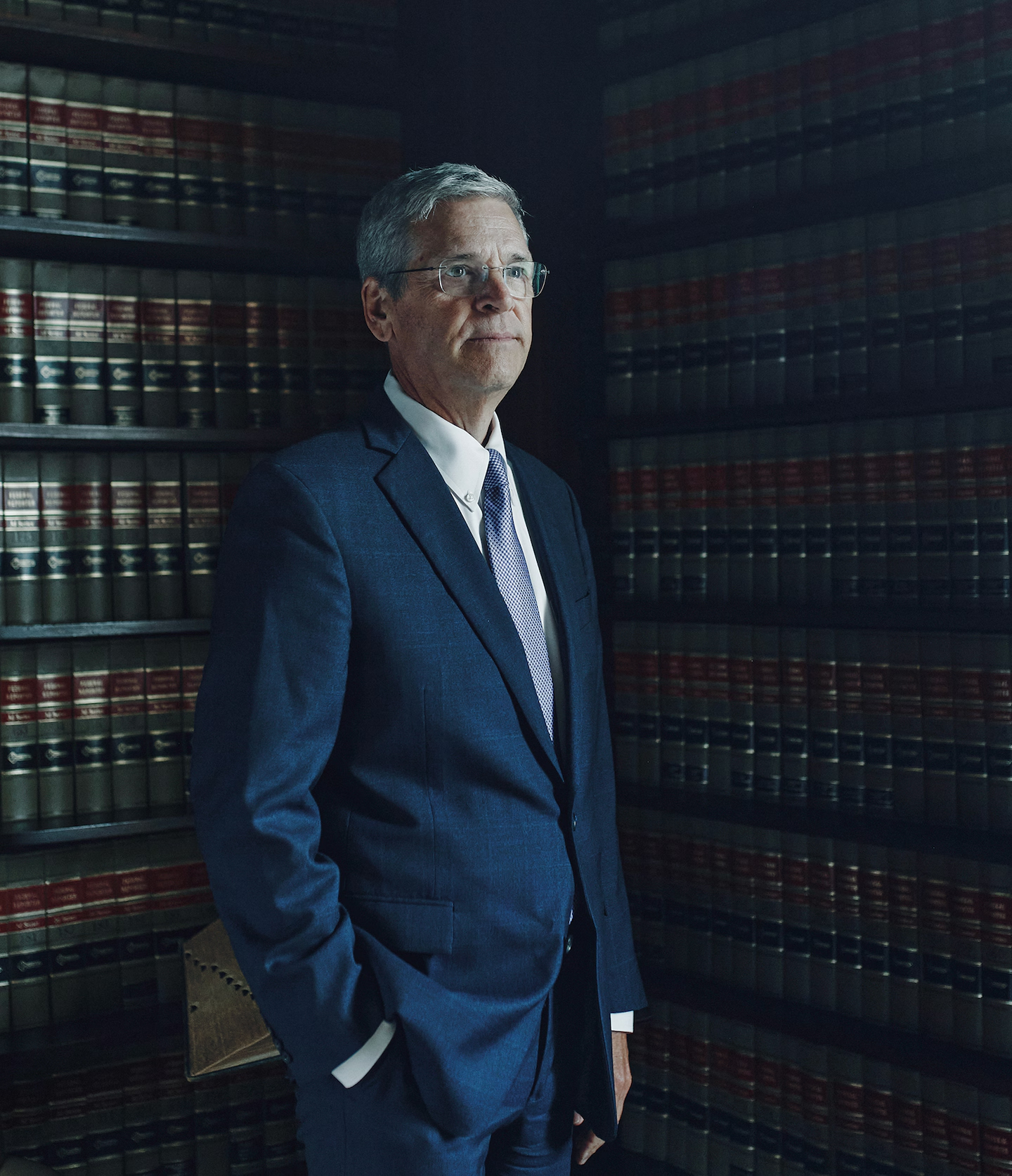
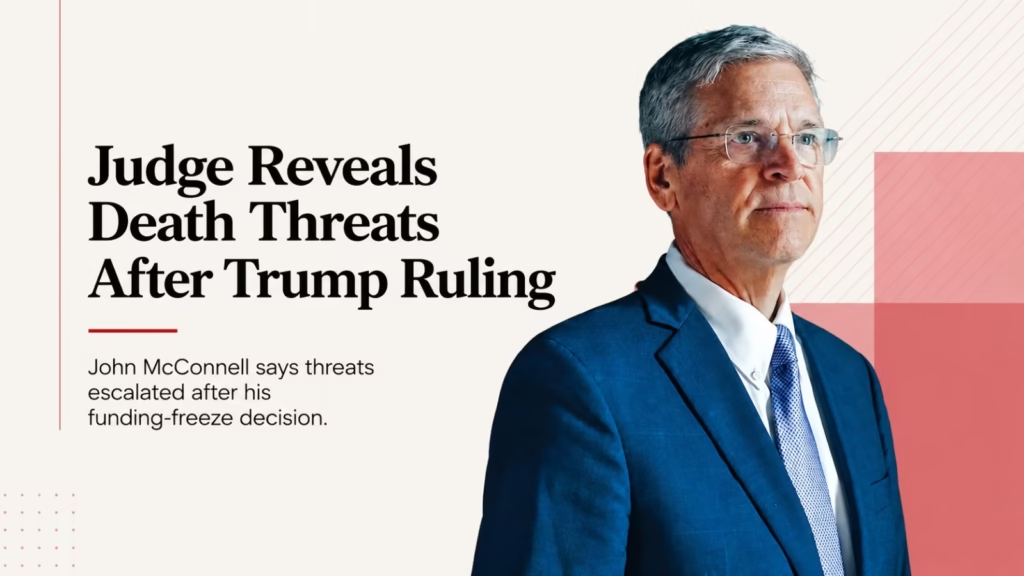
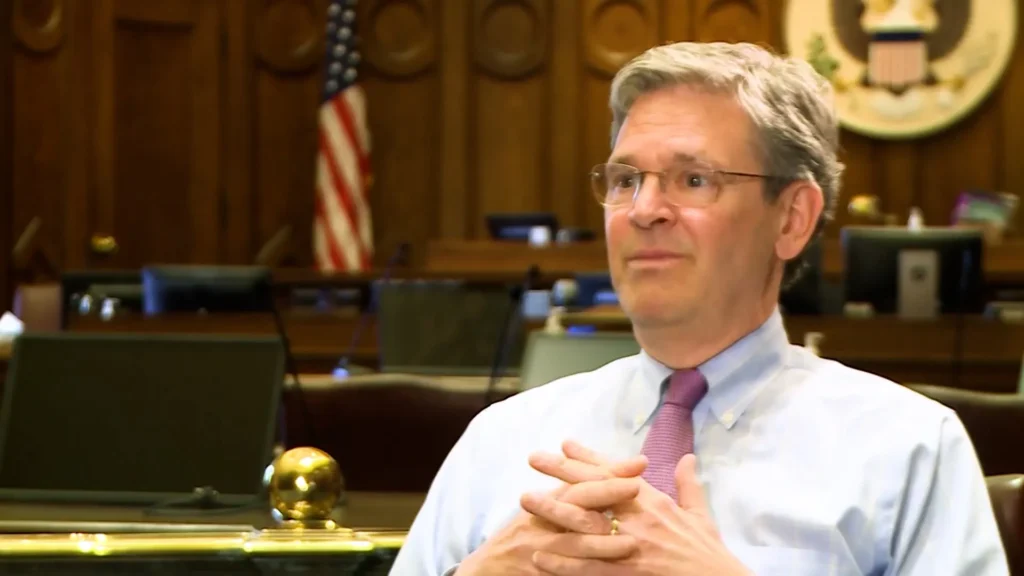
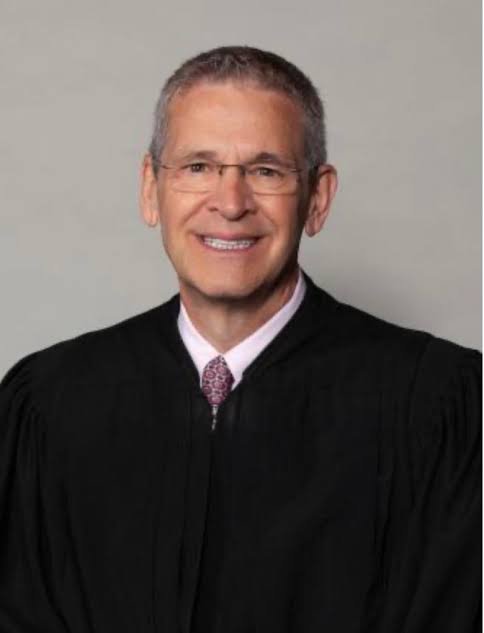
The American judicial system is facing an unprecedented security emergency. (Threats against Federal Judges Forced Federal Judges) Following high-profile legal decisions, federal jurists across the country are experiencing a terrifying wave of personal intimidation, harassment, and targeted violence. U.S. District Judge John McConnell recently stepped forward to detail the alarming reality of what happens when the courtroom battle spills directly onto judges’ doorsteps.
For comprehensive coverage on judicial safety policies, you can review updates directly via The Washington Post or monitor official updates from the U.S. Courts Website regarding institutional protections.
The Ruling That Triggered a Dangerous Backlash
The crisis intensified dramatically after McConnell, an Obama-appointed federal judge based in Rhode Island, issued a temporary block against the Trump administration’s sweeping federal funding freeze. While legal disagreements are a standard pillar of American jurisprudence, this ruling unleashed an unprecedented torrent of hostility.
According to reports verified by the U.S. Marshals Service, McConnell faced at least six highly credible death threats shortly after the decision came down. Judicial officials note that security incidents targeting federal judges nationwide have surged dramatically over recent fiscal years, pointing to a systemic breakdown in civil discourse. Additional context regarding federal oversight and safety legislation can be tracked via resources on Reuters.
A Chilling Form of Intimidation: The “Pizza Doxxing” Phenomenon
While hundreds of abusive phone calls and hostile emails flooded the Rhode Island federal courthouse—including explicit assassination wishes left on voicemail—one specific incident crossed a terrifying psychological line.
An unsolicited pizza delivery arrived at McConnell’s private residence. Upon inspecting the order details, McConnell discovered it had been placed under the name Daniel Anderl.
For the American legal community, that name carries profound trauma. Daniel Anderl was the 20-year-old son of New Jersey federal judge Esther Salas. In July 2020, a gunman posing as a delivery driver targeted Judge Salas’s home, fatally shooting her son. Using Daniel’s name for a delivery to another sitting judge’s home was quickly recognized by authorities as a calculated psychological warning—a practice federal prosecutors have designated as “pizza doxxing”.
“I don’t think anything disturbed me as much as that did,” McConnell expressed, highlighting how modern harassment seeks to weaponize past tragedies against judicial families.
When Harassment Targets the Family
The intimidation tactics did not stop at professional disagreement or anonymous mail. Members of McConnell’s immediate family were dragged directly into the political crossfire.
Federal authorities warned McConnell that specific death threats had been made against his wife. Furthermore, his daughter became a target after far-right activist Laura Loomer published critical commentary regarding McConnell’s funding freeze ruling on social media. The post explicitly featured a photograph of McConnell’s daughter alongside her personal identifying information.
The exposure amplified exponentially when high-profile public figures, including Elon Musk, reshared the post to millions of followers on X. Reflecting on the escalation, McConnell shared a deeply personal sentiment:
- Professional Tolerance: “I signed up for whatever, I’ll take the lumps.”
- Family Impact: When the backlash reached his daughter, it felt as though “someone put a dagger through my heart.”
Supreme Court Justices Demand Urgent Action
The terrifying experiences of district judges like McConnell are mirrored at the highest levels of American law. Supreme Court Justices Elena Kagan and Amy Coney Barrett have appeared before Congress to lobby for millions of dollars in emergency security funding.
Justice Barrett faced intense public scrutiny and personal criticism following high-profile rulings on controversial topics such as tariff policies and birthright citizenship. During congressional oversight hearings, Justice Kagan openly denounced the rising tide of aggressive rhetoric, labeling current attacks against members of the judiciary as profoundly “dangerous”.
The White House Response and the Debate Over Free Speech
As federal judges sound the alarm, political leaders face mounting pressure to draw a clear line between robust public criticism and stochastic harassment.
The White House strongly rejected claims that political rhetoric from administration officials directly invites violence against judges. White House spokesperson Abigail Jackson dismissed such arguments as “deeply unserious,” asserting that the administration remains fully committed to protecting every member of the judicial branch.
Despite these assurances, legal experts and nonpartisan organizations argue that the line between political opposition and dangerous intimidation continues to blur, threatening the core independence of the American legal framework.


Bills vs Lions: Thrilling Opener, Tough Test Ahead Tonight!!!

Maria Bartiromo’s Stunning Exit Brings New Hope for Her Future

Cardinals vs Cubs:Major League Thrilling Clash Brings Joy Despite Tough Blow

New Movies Streaming – 6 Must-Watch New Movies & Shows Streaming This Weekend (July 18 – 20)

Hollie Strano’s Incredible Comeback: 1 New Radio Gig After WKYC Exit

911 outage – Pennsylvania experiencing problems with 911 calls statewide
-
 Entertainment1 year ago
New Movies Streaming – 6 Must-Watch New Movies & Shows Streaming This Weekend (July 18 – 20)
-
 News1 year ago
Hollie Strano’s Incredible Comeback: 1 New Radio Gig After WKYC Exit
-
 News1 year ago
911 outage – Pennsylvania experiencing problems with 911 calls statewide
-
 News1 year ago
Type 1 Diabetes Barbie Doll – A Step Toward Inclusivity in Toys
-

 Entertainment11 months ago
Donna Jean Godchaux – Heartbreaking Loss: Music Legend Dies at 78
-

 Sports1 year ago
Liverpool vs Athletic Club: Squad Update – Van Dijk, Bradley, Alisson, Gomez Ruled Out
-

 News1 year ago
NYC Subway Flood – Live Updates: NYC Subway Flood Disrupts Commute After Flash Flooding
-

 News1 year ago
Jannik Sinner and Carlos Alcaraz set for Wimbledon final showdown after semifinal wins