
Politics
E Jean Carroll – Crushing Blow: Trump’s $83M Appeal Fails

Table of Contents
Crushing Blow: Trump’s $83M E. Jean Carroll Appeal Fails
In a significant legal defeat, a federal appeals court has decisively rejected former President Donald Trump’s attempt to overturn a staggering $83.3 million defamation judgment awarded to writer E. Jean Carroll. This ruling marks a pivotal moment in the long-running legal battle between the two.

The Core of the Ruling
On Monday, a three-judge panel from the U.S. Court of Appeals for the Second Circuit unanimously upheld the jury verdict from earlier this year. The judges found no merit in Trump’s arguments, which claimed the judgment was excessive and that a recent Supreme Court ruling on presidential immunity should invalidate it.
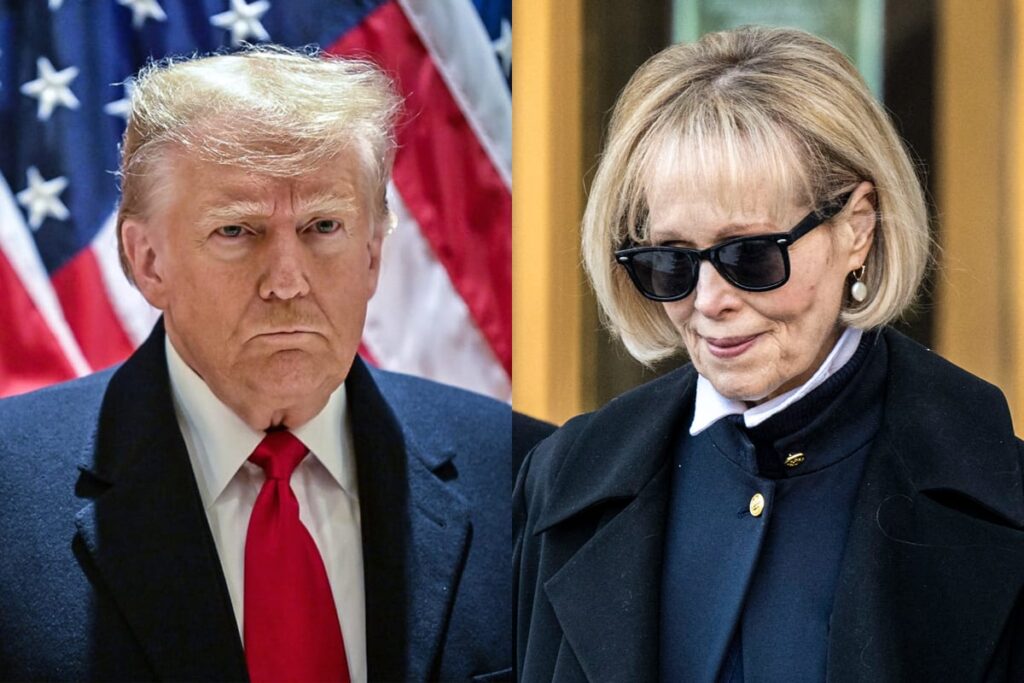
The case stems from Trump’s repeated denials of Carroll’s allegation that he sexually assaulted her in a Bergdorf Goodman dressing room in the mid-1990s. A jury, after hearing the evidence in a separate but related trial in spring 2023, found Trump liable for sexual abuse and defamation.
Trump’s Immunity Defense Dismantled
A central pillar of Trump’s appeal was the July 2024 Supreme Court ruling in Trump v. United States, which granted former presidents broad immunity from criminal prosecution for “official acts.” Trump’s legal team argued that this decision should be considered an “intervening change of law” that nullified the appeals court’s prior rejection of his immunity claims in the Carroll case.
The Second Circuit panel, comprised of two judges appointed by President Joe Biden and one by President Barack Obama, was unequivocal in its dismissal of this argument.
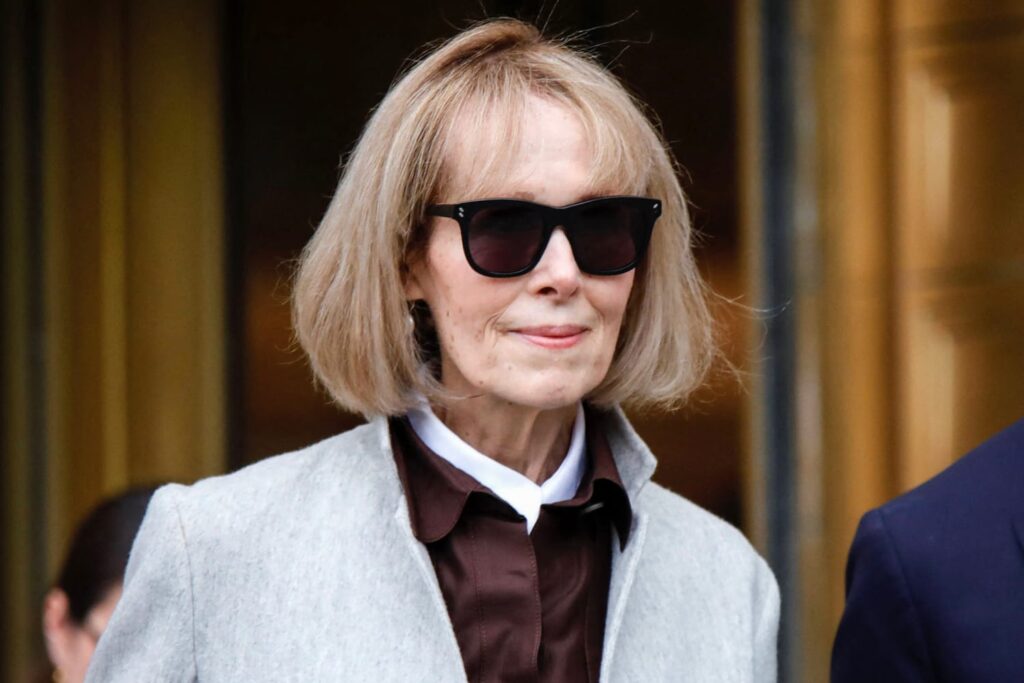
“We are not persuaded,” the judges wrote in their decision. They held that Trump “has failed to identify any grounds that would warrant reconsidering our prior holding on presidential immunity.” The court further stated that the lower court “did not err in any of the challenged rulings and that the jury’s damages awards are fair and reasonable.”
This finding underscores the legal principle that Trump’s public, post-presidency comments about Carroll—made in 2022—were clearly unofficial, personal acts and not protected under any conceivable definition of presidential duty.
A One-Two Legal Punch
This appeal rejection is just one front in Trump’s legal war with Carroll. It specifically concerns the $83.3 million judgment from the defamation case known as Carroll II.
However, Trump’s lawyers have also signaled they will soon ask the Supreme Court to review a previous verdict from Carroll I, a separate civil case in which a jury awarded Carroll $5 million after finding him liable for sexual abuse and defamation. Both cases are rooted in Trump’s vehement denials of Carroll’s account, which he continues to reject.
What Comes Next?
With this appellate path closed, Trump’s options are narrowing. He can request that the entire Second Circuit court review the panel’s decision (a hearing en banc), or he can follow through on his threat to appeal this specific verdict to the U.S. Supreme Court. Either process would likely require him to post a bond for the full amount of the judgment plus interest, which would be a massive financial undertaking, even as he contests the ruling.
The White House referred requests for comment to Trump’s personal lawyers, who did not immediately respond to the latest ruling. E. Jean Carroll’s legal team, led by attorney Roberta Kaplan, has hailed the decision as a vindication of their client’s courage and a reaffirmation that no one is above the law.
This ruling delivers a powerful message that defamatory statements, even from a former president, carry severe consequences. It represents a monumental victory for E. Jean Carroll and a resounding validation of the civil justice system’s ability to hold powerful figures accountable.





Threats against Federal Judges – 6 Vicious Threats Forced Federal Judges Into Hiding
Table of Contents
Shocking Truths Behind the Crisis Facing American Courts Today
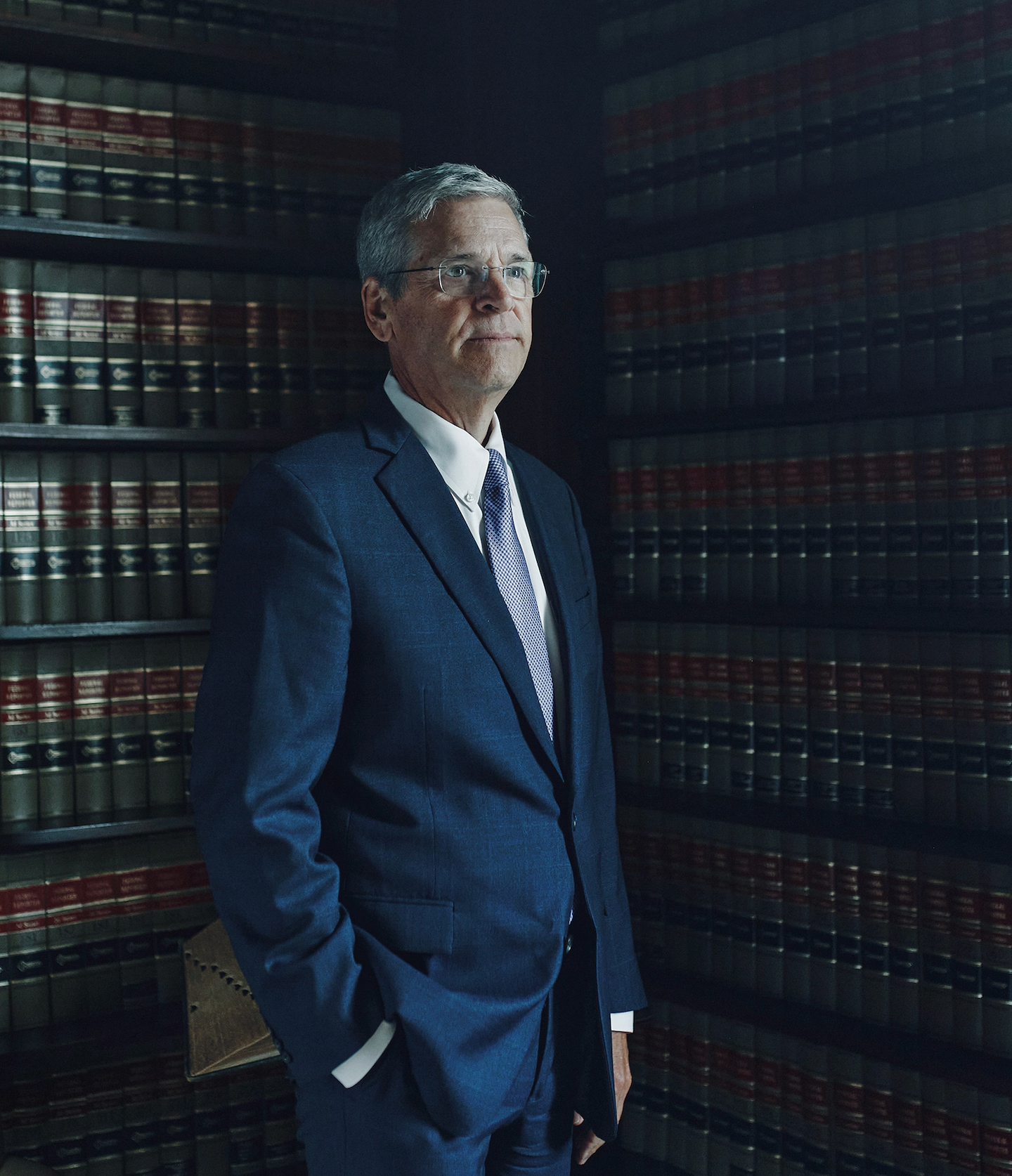
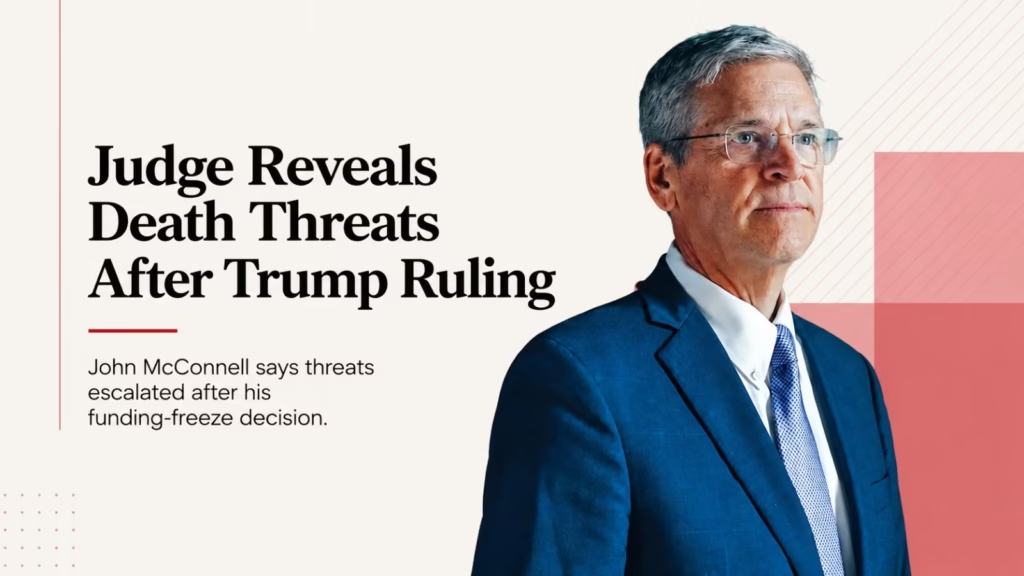
The American judicial system is facing an unprecedented security emergency. (Threats against Federal Judges Forced Federal Judges) Following high-profile legal decisions, federal jurists across the country are experiencing a terrifying wave of personal intimidation, harassment, and targeted violence. U.S. District Judge John McConnell recently stepped forward to detail the alarming reality of what happens when the courtroom battle spills directly onto judges’ doorsteps.
For comprehensive coverage on judicial safety policies, you can review updates directly via The Washington Post or monitor official updates from the U.S. Courts Website regarding institutional protections.
The Ruling That Triggered a Dangerous Backlash
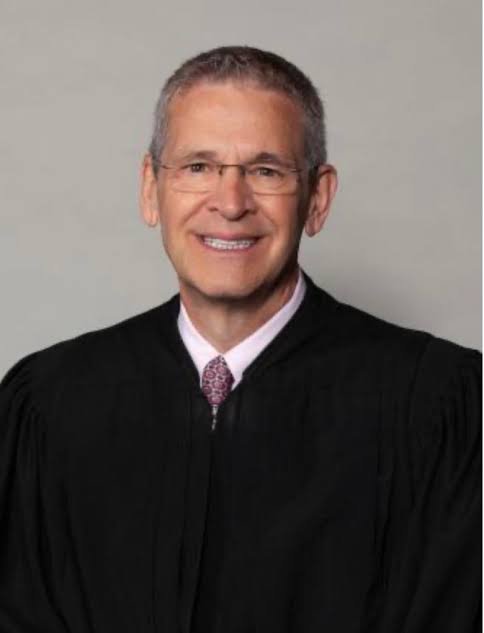
The crisis intensified dramatically after McConnell, an Obama-appointed federal judge based in Rhode Island, issued a temporary block against the Trump administration’s sweeping federal funding freeze. While legal disagreements are a standard pillar of American jurisprudence, this ruling unleashed an unprecedented torrent of hostility.
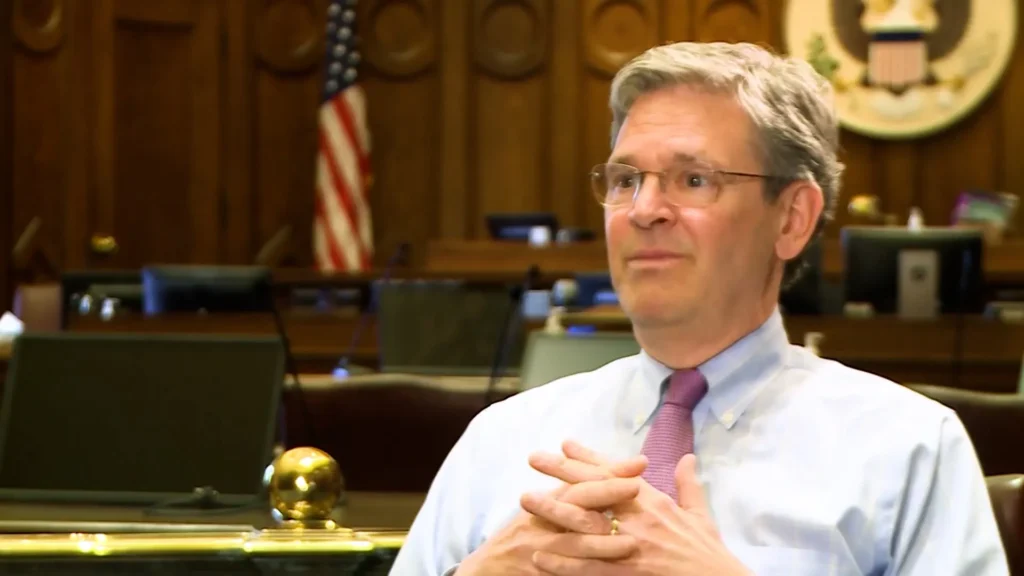
According to reports verified by the U.S. Marshals Service, McConnell faced at least six highly credible death threats shortly after the decision came down. Judicial officials note that security incidents targeting federal judges nationwide have surged dramatically over recent fiscal years, pointing to a systemic breakdown in civil discourse. Additional context regarding federal oversight and safety legislation can be tracked via resources on Reuters.
A Chilling Form of Intimidation: The “Pizza Doxxing” Phenomenon
While hundreds of abusive phone calls and hostile emails flooded the Rhode Island federal courthouse—including explicit assassination wishes left on voicemail—one specific incident crossed a terrifying psychological line.
An unsolicited pizza delivery arrived at McConnell’s private residence. Upon inspecting the order details, McConnell discovered it had been placed under the name Daniel Anderl.
For the American legal community, that name carries profound trauma. Daniel Anderl was the 20-year-old son of New Jersey federal judge Esther Salas. In July 2020, a gunman posing as a delivery driver targeted Judge Salas’s home, fatally shooting her son. Using Daniel’s name for a delivery to another sitting judge’s home was quickly recognized by authorities as a calculated psychological warning—a practice federal prosecutors have designated as “pizza doxxing”.
“I don’t think anything disturbed me as much as that did,” McConnell expressed, highlighting how modern harassment seeks to weaponize past tragedies against judicial families.
When Harassment Targets the Family
The intimidation tactics did not stop at professional disagreement or anonymous mail. Members of McConnell’s immediate family were dragged directly into the political crossfire.
Federal authorities warned McConnell that specific death threats had been made against his wife. Furthermore, his daughter became a target after far-right activist Laura Loomer published critical commentary regarding McConnell’s funding freeze ruling on social media. The post explicitly featured a photograph of McConnell’s daughter alongside her personal identifying information.
The exposure amplified exponentially when high-profile public figures, including Elon Musk, reshared the post to millions of followers on X. Reflecting on the escalation, McConnell shared a deeply personal sentiment:
- Professional Tolerance: “I signed up for whatever, I’ll take the lumps.”
- Family Impact: When the backlash reached his daughter, it felt as though “someone put a dagger through my heart.”
Supreme Court Justices Demand Urgent Action
The terrifying experiences of district judges like McConnell are mirrored at the highest levels of American law. Supreme Court Justices Elena Kagan and Amy Coney Barrett have appeared before Congress to lobby for millions of dollars in emergency security funding.
Justice Barrett faced intense public scrutiny and personal criticism following high-profile rulings on controversial topics such as tariff policies and birthright citizenship. During congressional oversight hearings, Justice Kagan openly denounced the rising tide of aggressive rhetoric, labeling current attacks against members of the judiciary as profoundly “dangerous”.
The White House Response and the Debate Over Free Speech
As federal judges sound the alarm, political leaders face mounting pressure to draw a clear line between robust public criticism and stochastic harassment.
The White House strongly rejected claims that political rhetoric from administration officials directly invites violence against judges. White House spokesperson Abigail Jackson dismissed such arguments as “deeply unserious,” asserting that the administration remains fully committed to protecting every member of the judicial branch.
Despite these assurances, legal experts and nonpartisan organizations argue that the line between political opposition and dangerous intimidation continues to blur, threatening the core independence of the American legal framework.
Politics
Shocking Arrest & Troubling Fame: 1 Clavicular Arrest Case That Turns Online Attention Into Consequences

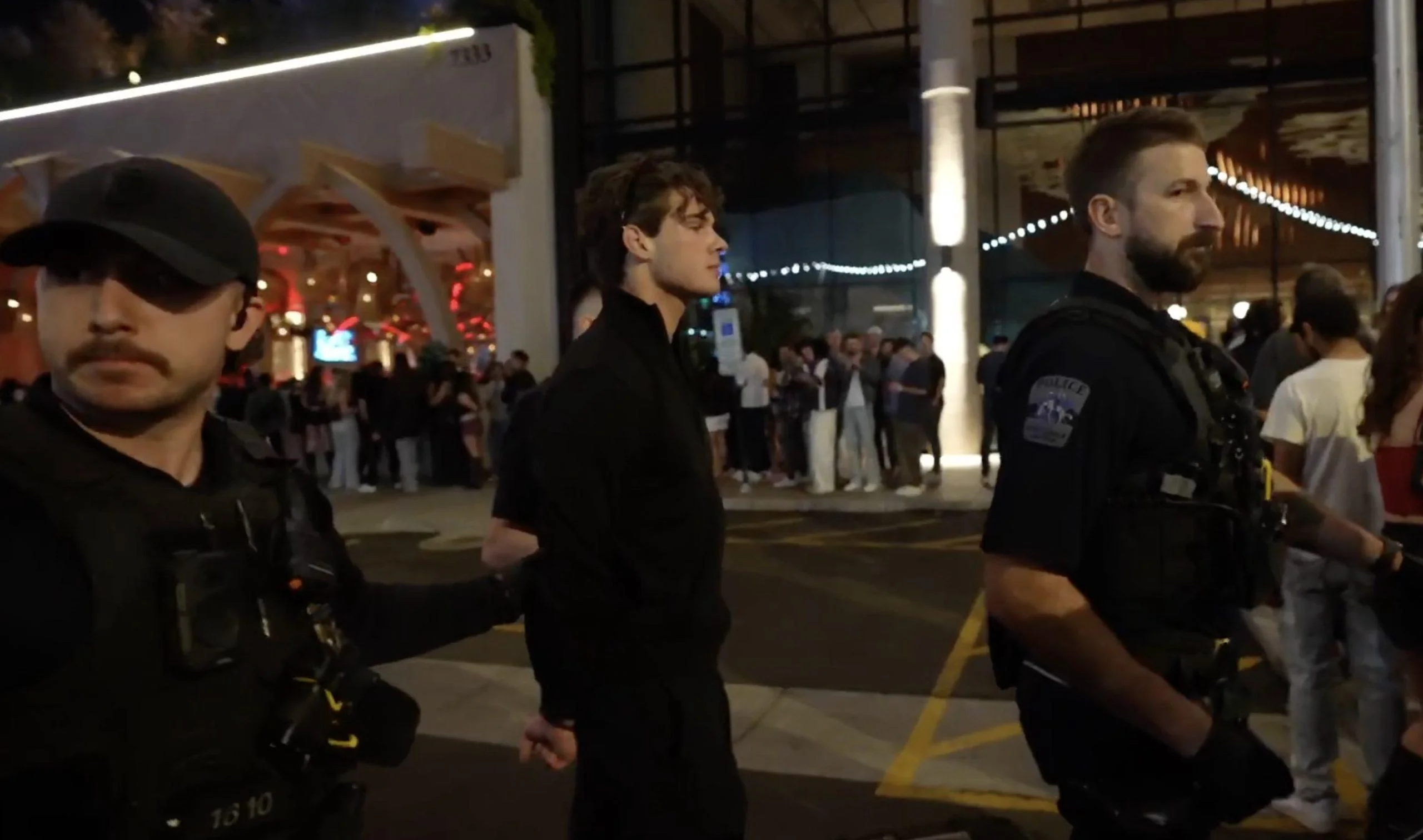
Table of Contents
Introduction: Why Clavicular Arrested Is Gaining Attention

The phrase “clavicular arrested” has surged online after authorities confirmed that a popular streamer was taken into custody following a violent incident at a Florida Airbnb. The case highlights a disturbing intersection of online influence, real-world harm, and legal accountability—raising both serious concerns and renewed conversations about responsibility in the digital age.
Incident Overview: What Happened in Kissimmee
According to the , deputies responded to a reported battery call on February 2 at an Airbnb in .
Investigators say a woman reported being physically attacked during an altercation inside the rental property. The Airbnb was allegedly rented by streamer , who is also known online by the name Clavicular.
Allegations Against the Streamer
Deputies stated that their investigation concluded Peters instigated the physical confrontation between two women inside the Airbnb. Authorities further allege that Peters recorded and posted the incident on social media, exploiting the situation for online attention and engagement.
The alleged victim told deputies she was battered by Violet Marie Lentz, 24, during the altercation.
Charges and Arrest Details
Following the investigation:
- A warrant was issued for Braden Eric Peters on charges of misdemeanor battery and criminal conspiracy to commit battery
- A separate warrant was issued for Violet Marie Lentz on a misdemeanor battery charge
Officials confirmed that Peters has since been booked into the in South Florida. As of the latest update, authorities say Lentz has not yet been located.
Who Is Braden Eric Peters, Also Known as Clavicular?
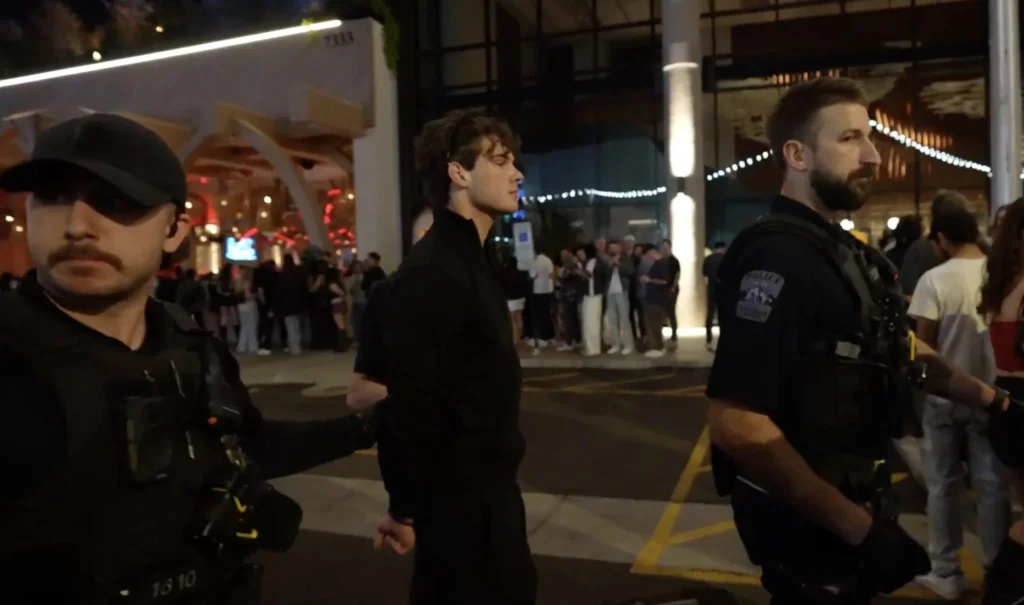
Braden Eric Peters gained popularity online under the alias Clavicular, where he promoted content centered around “looksmaxing,” a controversial online trend focused on physical appearance optimization.
While his online following brought visibility and influence, investigators allege that the same platform was used to amplify a violent incident—transforming internet fame into potential criminal liability.
Ongoing Investigation and Public Response
Law enforcement officials say the investigation remains active, particularly as they continue efforts to locate Lentz. Meanwhile, the case has sparked mixed reactions online, with some expressing outrage over the allegations and others calling for stronger accountability among influencers.
The incident underscores growing concerns about how online creators use—or misuse—their platforms.
Why the Clavicular Arrest Case Matters

The clavicular arrested case serves as a cautionary example of how digital influence does not shield individuals from legal consequences. While social media can build careers and communities, authorities emphasize that instigating violence for content crosses a serious line.
As the case proceeds, it may shape broader discussions around ethics, accountability, and the responsibilities of online personalities.
Related Coverage & Sources
- Original Local Report: https://www.wesh.com
- Florida Arrest Records: https://www.flcourts.gov
- Influencer Accountability Coverage: https://www.cnn.com
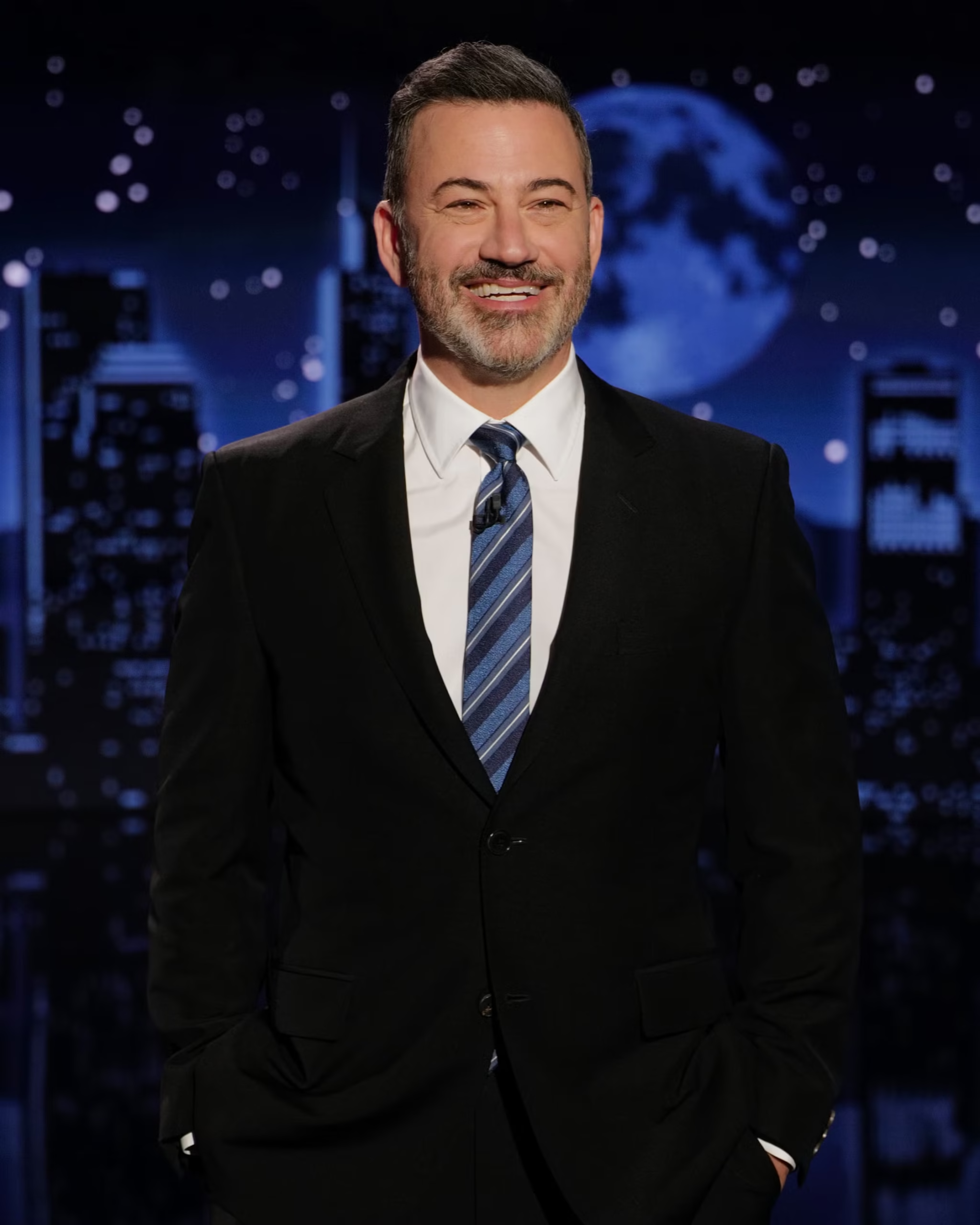
Table of Contents – Jimmy Kimmel
First Lady Demands ABC Axe Jimmy Kimmel After ‘Expectant Widow’ Joke Following Assassination Attempt
In a fiery statement that’s shaking up late-night TV, former First Lady Melania Trump has publicly called for Jimmy Kimmel to be fired over a joke she calls “corrosive” and “hateful.” The joke? Comparing her to an “expectant widow” just days after a gunman tried to crash the White House Correspondents’ Dinner—an event where she, President Donald Trump, and other top officials were rushed off stage by the Secret Service.
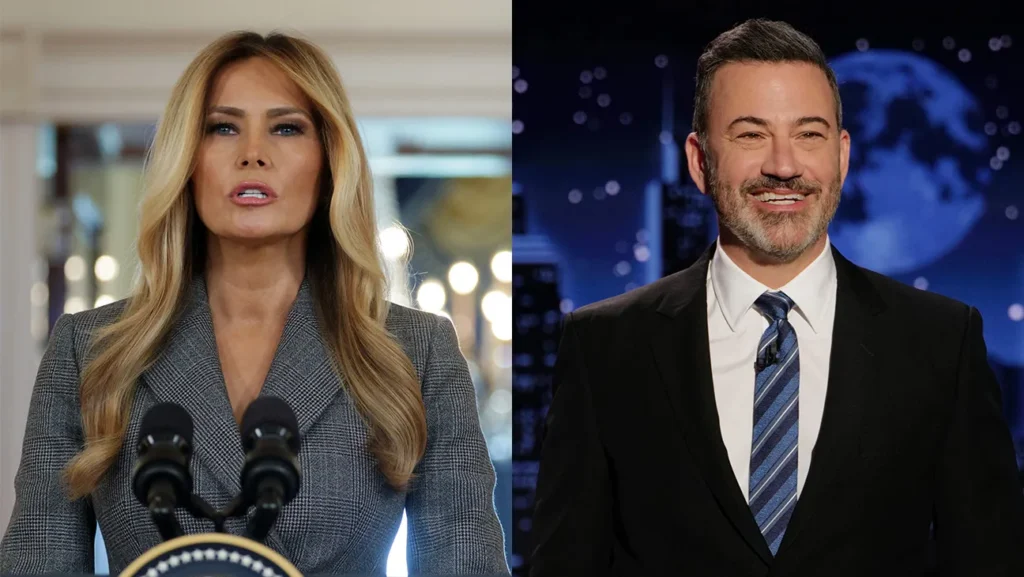
“People like Kimmel shouldn’t have the opportunity to enter our homes each evening to spread hate,” Melania wrote in a statement on X. “A coward, Kimmel hides behind ABC because he knows the network will keep running cover to protect him. Enough is enough. It is time for ABC to take a stand.”
The joke in question aired Thursday on Jimmy Kimmel Live! during a mock version of the annual dinner. Kimmel looked straight at the camera and said: “Our first lady is here. Mrs. Trump … you have a glow like an expectant widow.” He then doubled down: “By the way, in the unfortunate event that our president has a medical emergency tonight, do we have a doctor in the house — oh, I’m sorry. I mean, do we have a Jesus in the house?” — a jab at a deleted Trump meme showing the president as Christ.
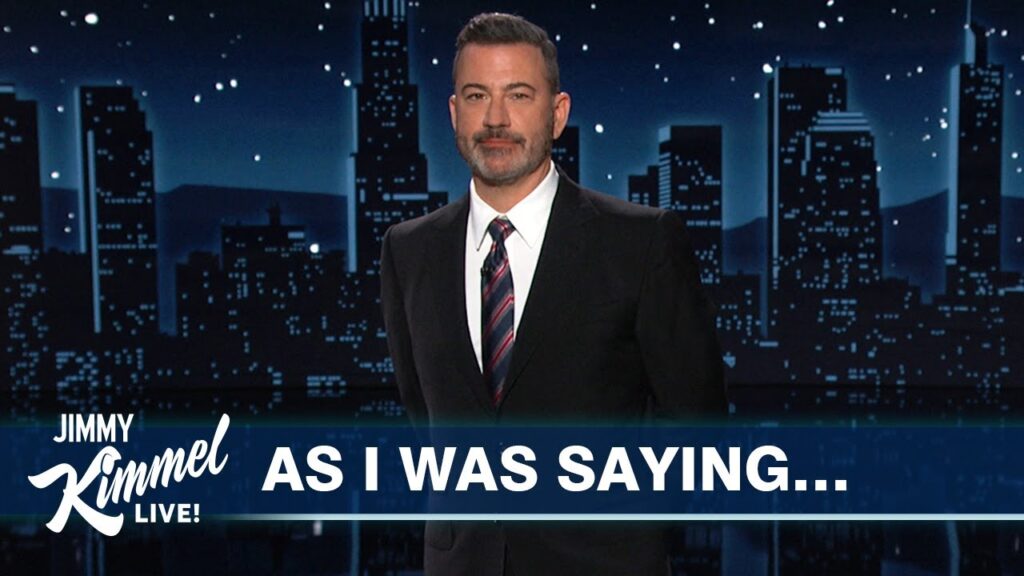
For most Americans, the quip might have landed as just another edgy political roast. But context changes everything. Just 48 hours later, a would-be assassin with a rifle tried to force his way into the very dinner where the Trumps were seated. The Secret Service evacuated the president and first lady mid-speech. Melania, who rarely speaks out, broke her silence not on the shooting—but on Kimmel.
“His monologue about my family isn’t comedy — his words are corrosive and deepens the political sickness within America,” she added.
A Pattern of Pressure Campaigns
This isn’t the first time the Trump administration has gone after Kimmel. Last year, after the late-night host mocked President Trump for discussing White House renovations following the assassination of conservative activist Charlie Kirk, FCC Chairman Brendan Carr — the very official who licenses ABC’s local stations — publicly demanded the network punish Kimmel. Two major ABC affiliates pulled the show, sparking fears of government coercion. Free speech groups erupted. ABC eventually restored Kimmel less than a week later, but the damage was done.
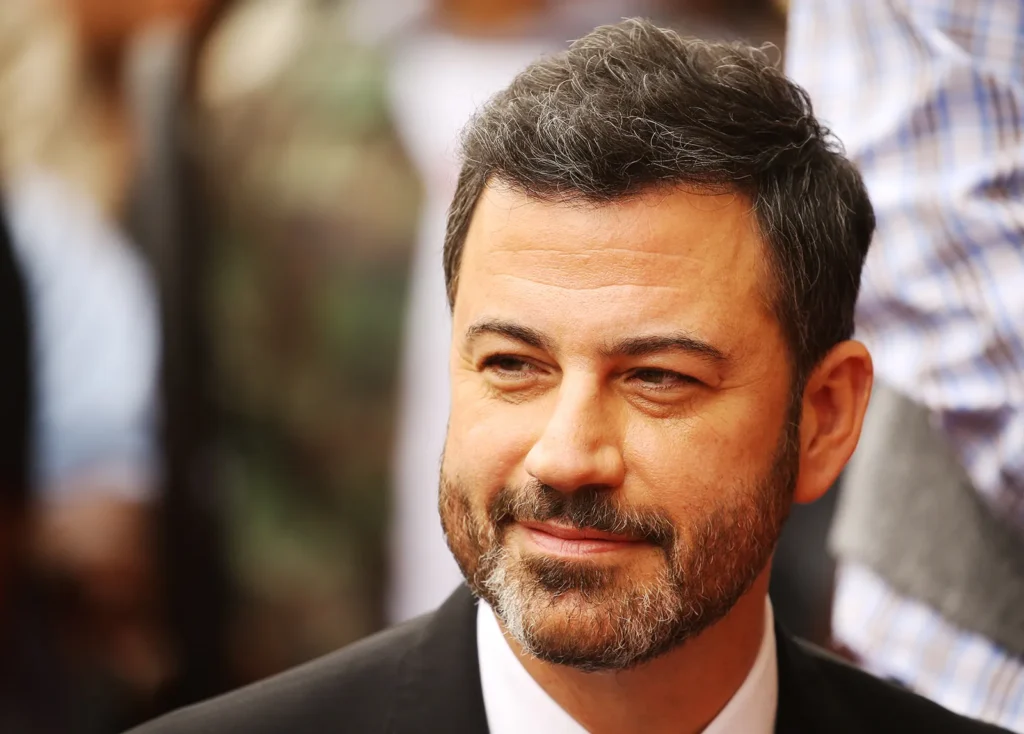
Now, with Melania’s direct call for his firing, the pressure is back on. And the stakes are higher because ABC’s parent company, Disney, just installed a new CEO, Josh D’Amaro, who took over from Bob Iger last month. How D’Amaro handles this will be an early test of his leadership.
What Kimmel’s Camp Says (So Far)
Representatives for ABC and Kimmel haven’t responded to requests for comment. But Kimmel’s track record suggests he won’t back down. After the Charlie Kirk controversy, he doubled down on his anti-Trump comedy, turning it into a signature brand. His viewers love him for it. But Melania’s statement adds a personal, emotional layer: she was there. She was scared. And President Trump confirmed as much on CBS Sunday.
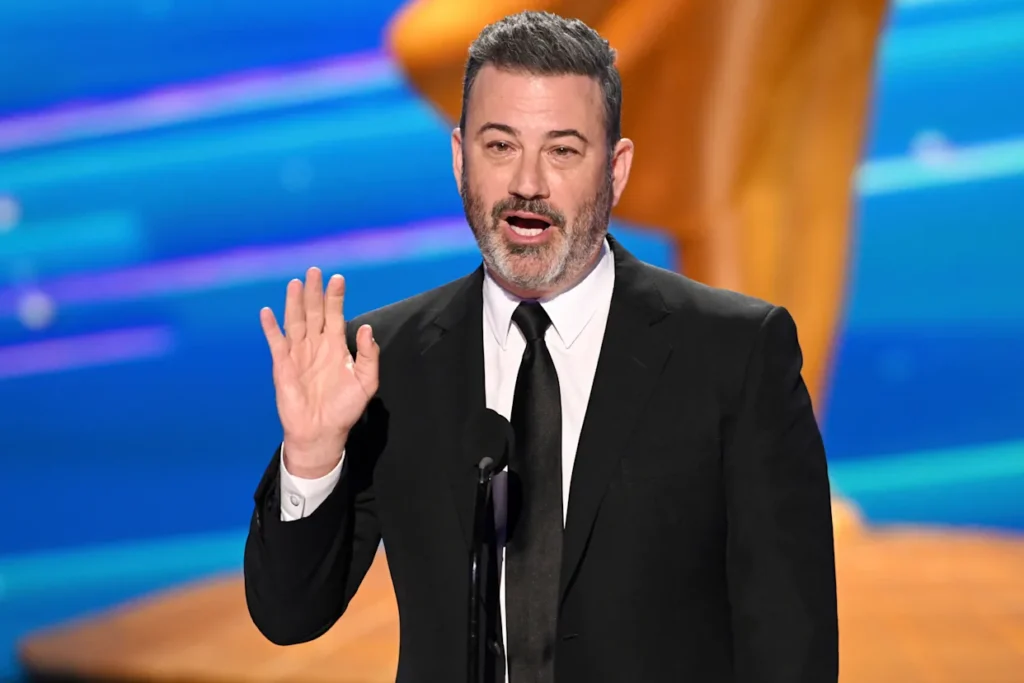
“I don’t want to say, and people don’t like having it said that they were scared, but certainly, I mean, who wouldn’t be when you have a situation like that?” Trump told CBS News.
Melania made an unannounced appearance at the White House briefing room later that night but stayed silent on the shooting. Her first public words about the entire ordeal were aimed at Kimmel’s job security.
The Free Speech Line
Legal experts are divided. On one hand, Kimmel’s joke is protected speech under the First Amendment. On the other, a sitting First Lady using her platform to demand a private company fire an employee — especially when a government official (the FCC chairman) has already leaned on that company — raises serious red flags. Critics call it a chilling effect. Supporters say Melania is simply exercising her own free speech to call out what she sees as dangerous rhetoric.
“How many times will ABC’s leadership enable Kimmel’s atrocious behavior at the expense of our community?” Melania asked.
That “community” includes millions of Trump supporters who already feel mocked and marginalized by late-night TV. For them, this isn’t about a joke — it’s about respect. For Kimmel’s fans, it’s about comedy surviving in an oversensitive political climate.
What Happens Next?
ABC has three options: ignore Melania’s statement, issue a mild rebuke of Kimmel, or preempt his show again. Given that the network caved once before, pressure will be intense. But caving again could trigger a boycott from comedy fans and free-speech advocates. Disney’s new CEO will have to weigh the financial cost of losing either side.
One thing’s certain: This story isn’t going away. Melania’s rare public outrage guarantees that.


Threats against Federal Judges – 6 Vicious Threats Forced Federal Judges Into Hiding

Jonathan Taylor Thomas: Inspiring Comeback or Quiet Exit? Shocking Truth

Yaxel Lendeborg:Shocking Rise & Inspiring Promise: 1 Yaxel Lendeborg Story That’s Turning Doubt Into Hope

New Movies Streaming – 6 Must-Watch New Movies & Shows Streaming This Weekend (July 18 – 20)

Hollie Strano’s Incredible Comeback: 1 New Radio Gig After WKYC Exit

911 outage – Pennsylvania experiencing problems with 911 calls statewide
-
 Entertainment1 year ago
New Movies Streaming – 6 Must-Watch New Movies & Shows Streaming This Weekend (July 18 – 20)
-
 News12 months ago
Hollie Strano’s Incredible Comeback: 1 New Radio Gig After WKYC Exit
-
 News1 year ago
911 outage – Pennsylvania experiencing problems with 911 calls statewide
-
 News1 year ago
Type 1 Diabetes Barbie Doll – A Step Toward Inclusivity in Toys
-
 Entertainment9 months ago
Donna Jean Godchaux – Heartbreaking Loss: Music Legend Dies at 78
-

 Sports1 year ago
Liverpool vs Athletic Club: Squad Update – Van Dijk, Bradley, Alisson, Gomez Ruled Out
-

 News1 year ago
NYC Subway Flood – Live Updates: NYC Subway Flood Disrupts Commute After Flash Flooding
-

 News1 year ago
Jannik Sinner and Carlos Alcaraz set for Wimbledon final showdown after semifinal wins