
Business
Why Is Crypto Crashing? Bitcoin’s Sharp Decline Explained


Table of Contents
Why Is Crypto Crashing? – Stunning 30% Bitcoin Plunge Erases Trump-Era Gains
Bitcoin’s Brutal Nosedive: A $127K High to a Crisis of Confidence
If you’ve checked your crypto portfolio lately (Why Is Crypto Crashing?), you might need a strong coffee. American investors are waking up to a harsh reality as Bitcoin, the flagship cryptocurrency, continues its steep slide, wiping out all the gains made since President Trump’s re-election rally.
From Boom to Gloom: The Numbers Tell the Story
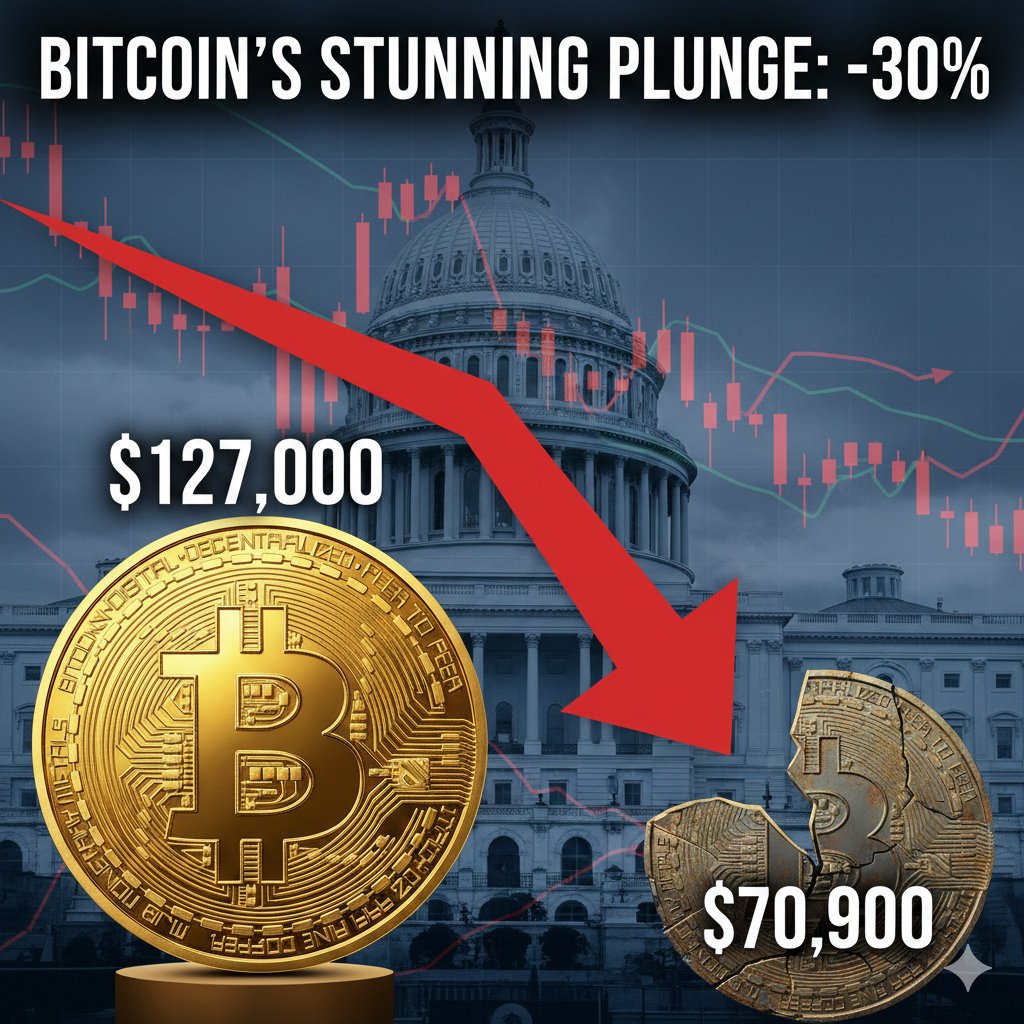
As of this morning, Bitcoin is trading around $70,900, a far cry from its dizzying all-time high of over $127,000 hit in October 2025. Since the start of 2026 alone, the digital asset has shed nearly 20% of its value. This plunge marks a dramatic reversal from the explosive gains seen after Trump’s victory, which had sparked hopes of a crypto-friendly regulatory era in Washington.
The Trump Factor: Promises vs. Political Gridlock
The current crash is deeply tied to the political landscape. The rally was fueled by Trump’s campaign pledge to make the U.S. the “cryptocurrency capital” of the world and the subsequent launch of his venture, World Liberty Financial. Momentum built with the announcement of a U.S. strategic crypto reserve.
However, the optimism has crashed into political walls. A key Trump-backed crypto bill has stalled in the U.S. Senate, deadlocked by disagreements between traditional banks and crypto firms. This regulatory uncertainty is a primary driver behind the current sell-off, leaving investors asking, “Why is crypto crashing?“

The doubts intensified this week when Democratic Rep. Ro Khanna announced an investigation into World Liberty Financial following a Wall Street Journal report about a major Abu Dhabi investment. This scrutiny adds another layer of uncertainty, shaking the confidence of the market.
A Wider Market Tremor
Bitcoin isn’t suffering alone. The fear has spread across asset classes. On Thursday, silver prices plummeted as much as 16%, while major Asian stock indexes in Hong Kong and Japan also fell. This correlation suggests a broader risk-averse mood among investors globally.
Why Is Crypto Crashing? The American Investor’s Perspective
For everyday Americans who jumped into crypto, the crash isn’t just about charts—it’s about trust and timeline. The core issues are:
- Stalled Regulation: The promised clear rules from Washington have not materialized. This “light touch” regulatory environment is on ice, leaving the industry in a frustrating limbo.
- Political Scrutiny: Investigations into high-profile projects like Trump’s create fear of a renewed regulatory crackdown, spooking both institutional and retail investors.
- Profit-Taking & Fear: After the incredible run to $127K, a correction was inevitable. The current political headlines are triggering widespread profit-taking and panic selling.

What’s Next?
The market is at a critical juncture. The trajectory for Bitcoin and other cryptocurrencies now heavily depends on political developments in Washington. Can the stalled bill find compromise? Will investigations conclude without major shocks? The answers will determine if this is a painful correction or the start of a prolonged “crypto winter.”
For now, American investors are advised to buckle up, review their risk tolerance, and remember the oldest rule in the book: never invest more than you can afford to lose.



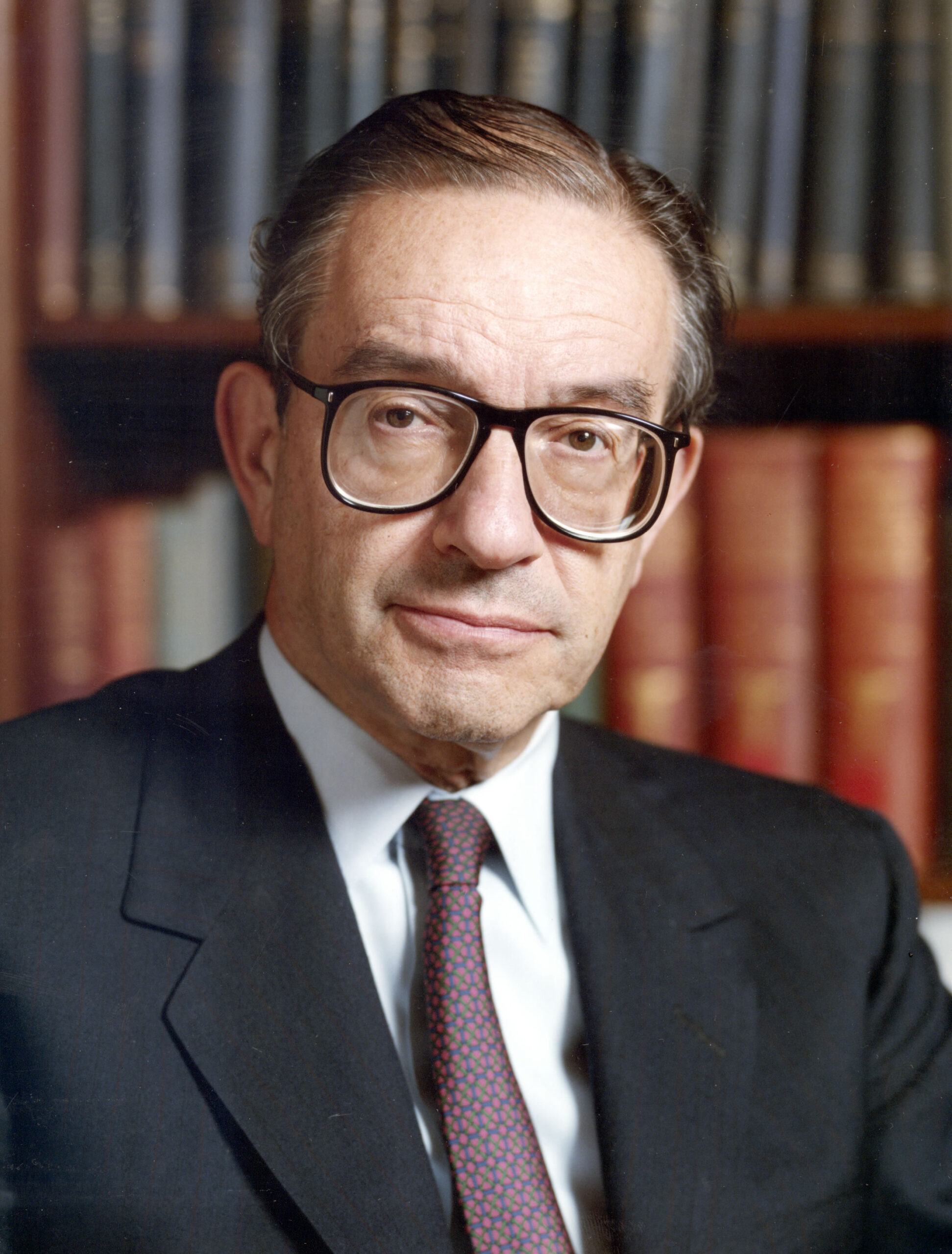
Table of Contents
A Legacy of Power and Turbulence
Alan Greenspan, the legendary economist who served as the chairman of the Federal Reserve for nearly two decades, has passed away at the age of 100. His death was confirmed on Monday by his wife, renowned NBC News correspondent Andrea Mitchell.
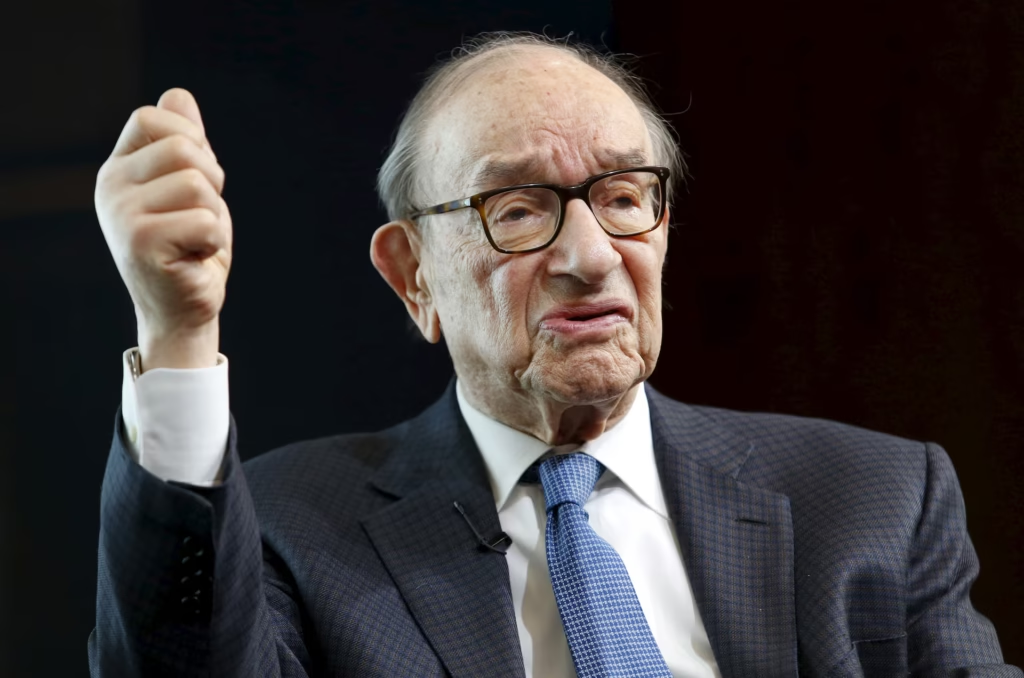
Mitchell, who was married to Greenspan for 29 years, shared a poignant statement confirming that he died at their home due to complications from Parkinson’s disease. “He was a giant of a man who helped shape the U.S. economy for decades under presidents of both parties, but was always honest in acknowledging his mistakes,” Mitchell said.
Serving five terms as the Fed chair under four different presidents—Ronald Reagan, George H.W. Bush, Bill Clinton, and George W. Bush—Greenspan’s influence on the global financial landscape was unparalleled. Often referred to as “The Maestro,” he was widely credited with overseeing one of the most prosperous periods in American history, including the longest economic expansion from 1991 to 2001.
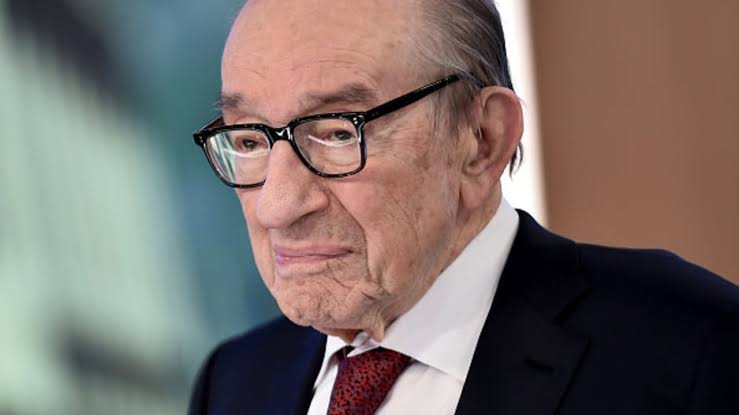
Born on March 6, 1926, in New York City, Greenspan’s journey began with a passion for music. A graduate of the Juilliard School, he spent time as a professional jazz musician before pivoting to economics at New York University. His early association with philosopher Ayn Rand profoundly shaped his views on laissez-faire capitalism, a philosophy that would later influence his tenure as a policymaker.
Navigating Modern Capitalism
Greenspan took the helm of the Fed in 1987, shortly before the infamous “Black Monday” market crash. His swift, decisive actions to provide liquidity to the markets during that crisis helped cement his reputation as a steady hand. Throughout the 90s and early 2000s, his ability to manage interest rates became legendary, with investors and politicians alike watching his every word to forecast market moves.
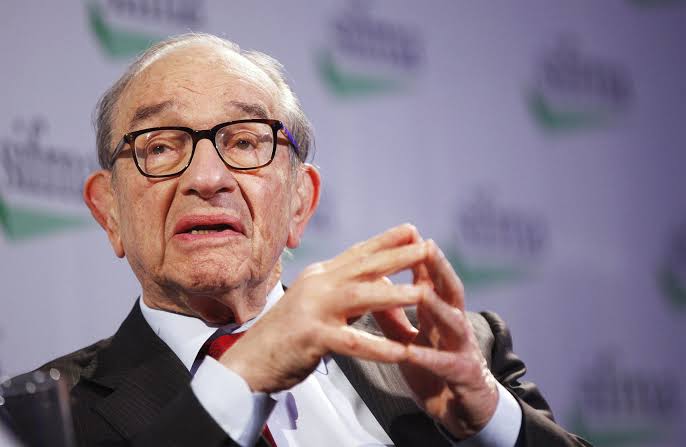
However, his legacy is not without significant controversy. Critics often point to his advocacy for financial deregulation as a contributing factor to the 2008 global financial crisis. Greenspan himself later acknowledged the complexity of the economic landscape, referring to the crisis as a “once-in-a-century credit tsunami.”
Despite these challenges, he remained a fixture of American public life, advising presidents and maintaining a unique reputation as the world’s most powerful central banker. Beyond the boardroom, he was a man of varied interests, ranging from his love for the Washington Commanders to his deep appreciation for jazz music.
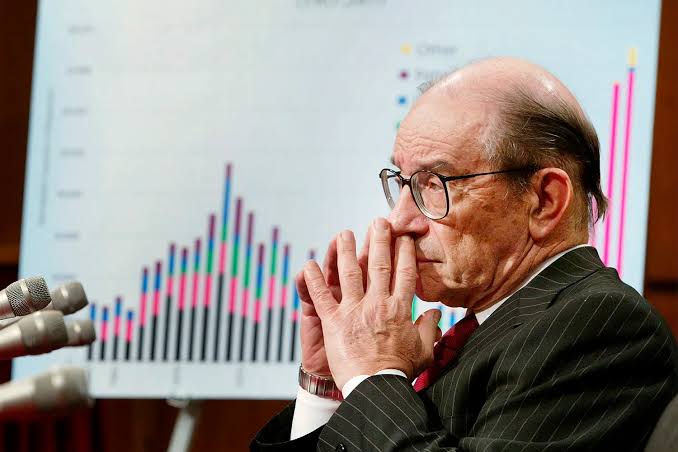
“To me he was my husband, who shaped my life from our very first date in 1984,” Mitchell added. “He will be remembered for his brilliance and his kindness. Being his life partner was the joy of my life.”
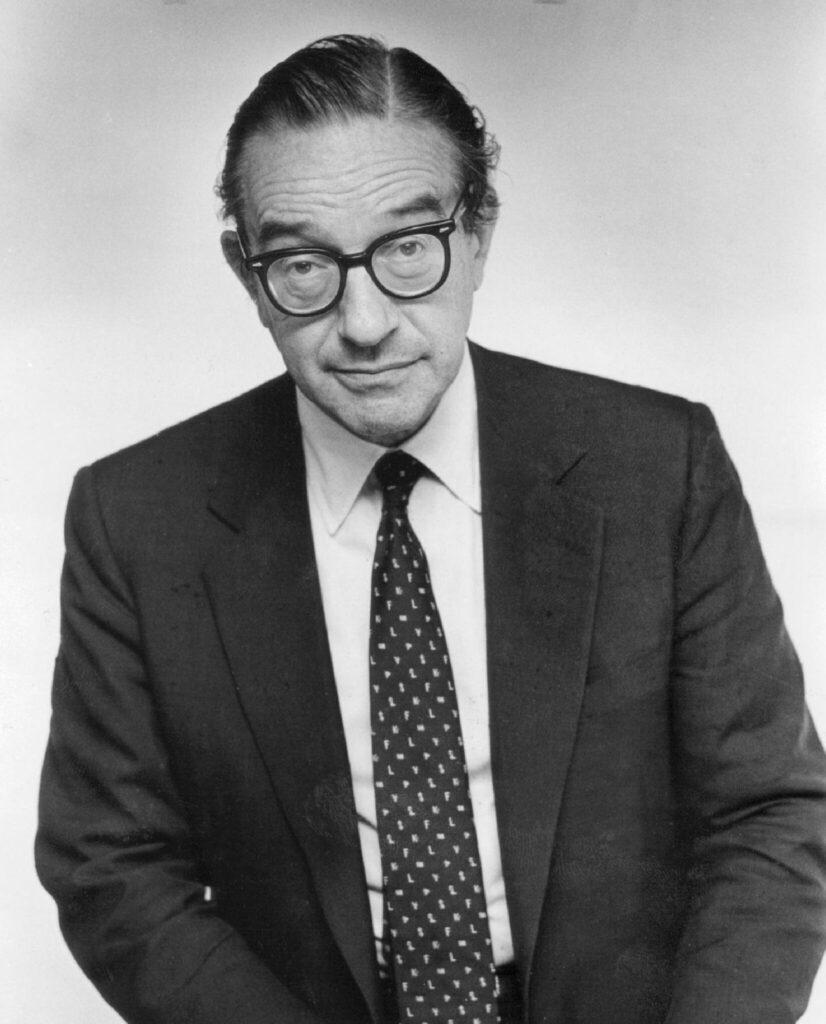
As the world reflects on his century-long life, the financial community remembers a man who defined the American economy for a generation.
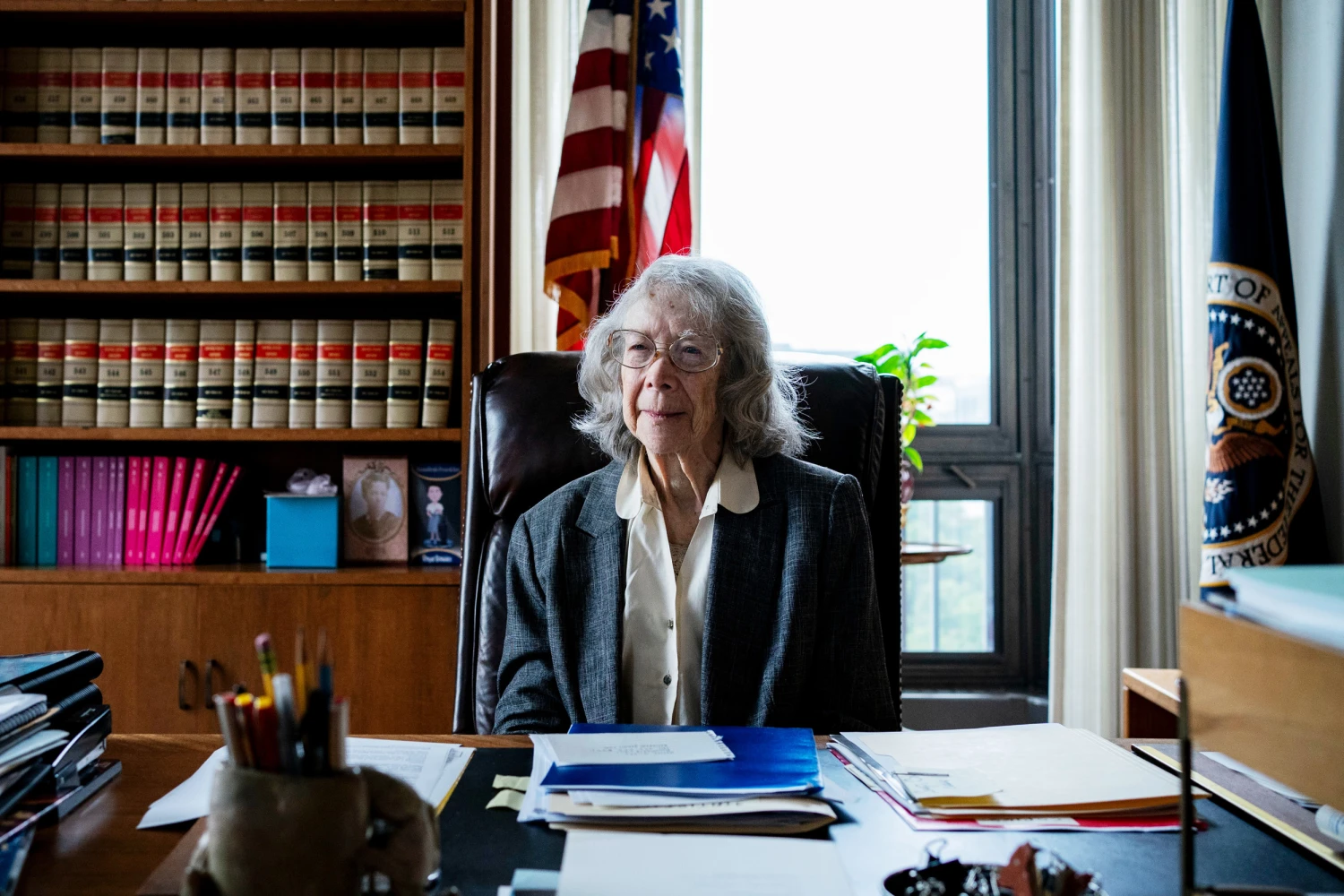
Table of Contents
The Background of the Conflict
In a major legal development that has sent ripples through the American judiciary, the U.S. Supreme Court has officially declined to hear an appeal from 98-year-old federal judge Pauline Newman. The decision, handed down this Monday, leaves in place a multi-year suspension that has barred one of the nation’s most storied jurists from hearing cases since 2023.

Judge Pauline Newman, a Reagan appointee who has served on the U.S. Court of Appeals for the Federal Circuit since 1984, is widely recognized for her expertise in patent law and her prolific dissent-writing, earning her the nickname the “Great Dissenter.”
The controversy began in the spring of 2023, when Chief Judge Kimberly Moore and other colleagues on the Federal Circuit raised concerns regarding Judge Newman’s mental fitness. They cited reports from court staff describing the judge’s demeanor as “paranoid,” “agitated,” and “bizarre.” Following these allegations, the court’s leadership moved to initiate misconduct procedures under the Judicial Conduct and Disability Act.

Constitutional Arguments and Judicial Independence
When requested to undergo court-ordered medical examinations, Judge Newman refused, citing her own independent medical evaluations that she argued proved her fitness. Her subsequent suspension—which has now lasted nearly three years—became the subject of a fierce legal battle.
Newman’s legal team, represented by the New Civil Liberties Alliance, argued that the suspension was not only unconstitutional but a dangerous overreach. They contended that federal judges are granted lifetime tenure by the Constitution and can only be removed via the formal impeachment process in Congress.

“It is a dark day for the independence of the federal judiciary,” said Mark Chenoweth, President of the NCLA. “The cert denial in this case means that Judge Newman’s due process and other complaints… never have and never will receive a merits decision from an Article III court.”
Why the Supreme Court Stayed Out
The Justice Department, representing the Federal Circuit judges, successfully urged the Supreme Court to dismiss the appeal. They argued that the lower courts were correct in their findings that the federal judiciary possesses the authority to police itself, particularly regarding allegations of misconduct or incapacity. Previous rulings by the D.C. Circuit Court of Appeals had already held that existing law prevents courts from intervening in these types of internal administrative actions.

For now, the legal door remains shut. Judge Newman continues to hold her office, but she remains indefinitely sidelined from the bench—a situation many legal scholars view as a “stealth impeachment” that circumvents the standard constitutional checks and balances.

What’s Next?
While the Supreme Court’s decision is a definitive blow to Newman’s immediate goal of reinstatement, the debate surrounding judicial independence is far from over. As the oldest federal judge in U.S. history, Newman’s case serves as a litmus test for how the American legal system handles the intersection of aging, mental fitness, and the protection of lifetime tenure.

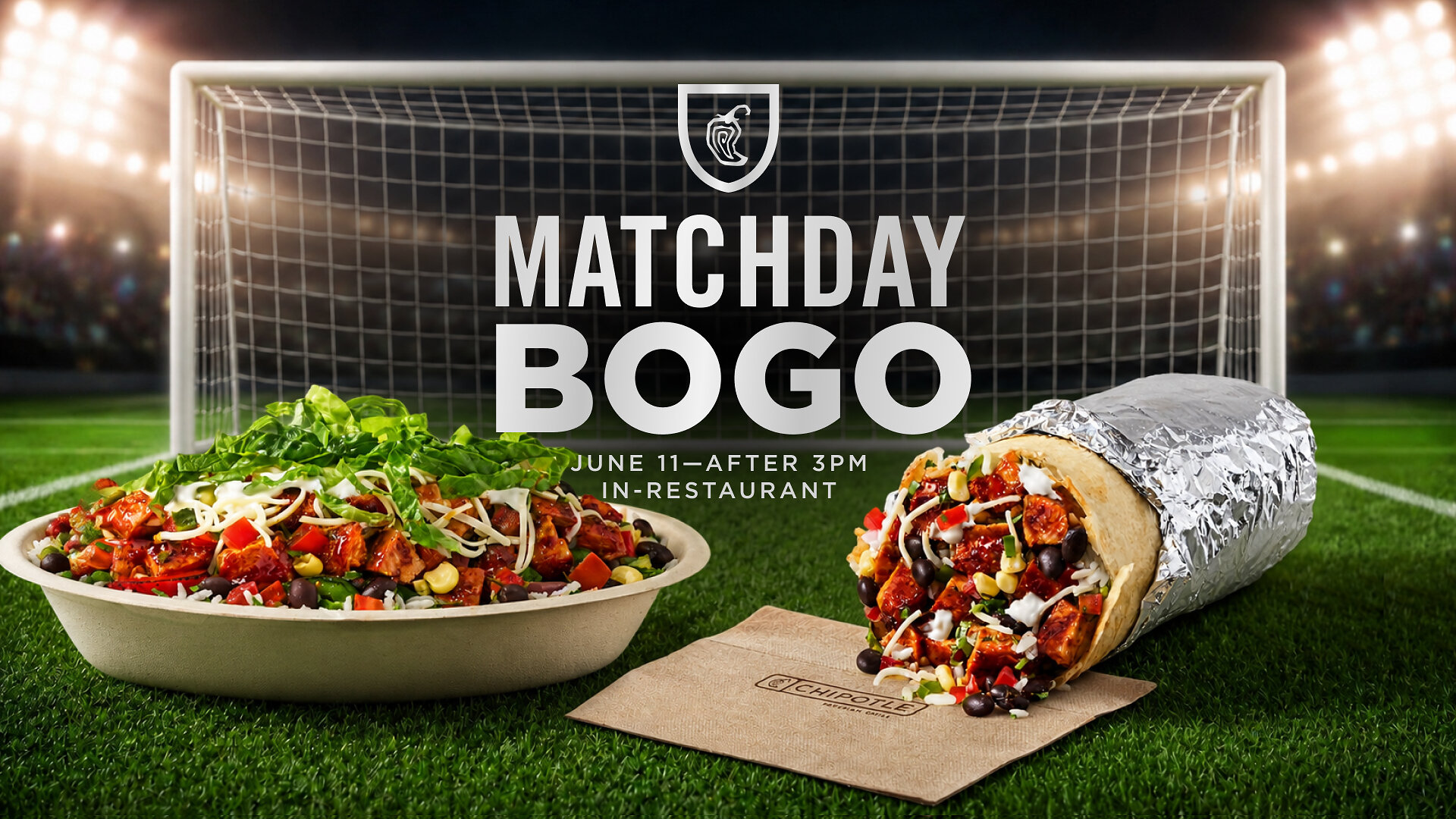
Table of Contents:
The buzz around Chipotle bogo is back, and food lovers across the U.S. are paying close attention. Buy-One-Get-One offers from have become legendary—sparking excitement, long lines, and sometimes frustration when the deal comes with strings attached.
This time, the Chipotle promotion delivers both happiness and hesitation, making it one of the most talked-about fast-casual food deals right now.
🌯 What Is the Chipotle BOGO Offer?

The deal typically allows customers to buy one entrée and get another free or discounted—often tied to special events, holidays, or limited-time campaigns.
Why fans love it
- Big savings on burritos, bowls, tacos, and salads
- Perfect for friends, couples, and families
- Boosts value during times of rising food prices
Where disappointment creeps in
- Limited-time availability
- App-only or in-store restrictions
- Location participation may vary
📱 App-Driven Joy With Some Friction

Many Chipotle promotions require ordering through the Chipotle app or scanning a rewards account. While this helps loyal customers earn points faster, it can frustrate casual diners who prefer simple walk-in orders.
Still, the strategy keeps Chipotle competitive in the crowded fast-casual market while rewarding digital engagement.
⏰ Limited Time, Maximum Hype
One of the biggest downsides of any CP deal is how fast it disappears. Once social media spreads the word, stores can sell out quickly or experience delays—turning excitement into impatience for some customers.
Yet for those who plan ahead, the savings often outweigh the inconvenience.
🌮 Why Chipotle BOGO Still Wins Fans
Despite the limits, the offer remains powerful. It reinforces brand loyalty, attracts new customers, and reminds fans why Chipotle continues to dominate the fast-casual Mexican food space.
🔚 Final Take
The Chipotle promotion is a powerful mix of value and limitation. It delivers undeniable joy at the register—but only if you act fast, read the fine print, and beat the rush. Love it or hate it, the deal keeps Chipotle firmly in the spotlight.


Super Girl 1 Powerful Legacy Inspires Hope, Yet Criticism Lingers

Rockstar Games: 1 Massive Free GTA V Upgrade

Alan Greenspan: Iconic Fed Leader Dies at 100

New Movies Streaming – 6 Must-Watch New Movies & Shows Streaming This Weekend (July 18 – 20)

Hollie Strano’s Incredible Comeback: 1 New Radio Gig After WKYC Exit

911 outage – Pennsylvania experiencing problems with 911 calls statewide
-
 Entertainment11 months ago
New Movies Streaming – 6 Must-Watch New Movies & Shows Streaming This Weekend (July 18 – 20)
-
 News10 months ago
Hollie Strano’s Incredible Comeback: 1 New Radio Gig After WKYC Exit
-
 News12 months ago
911 outage – Pennsylvania experiencing problems with 911 calls statewide
-
 News12 months ago
Type 1 Diabetes Barbie Doll – A Step Toward Inclusivity in Toys
-
 Entertainment8 months ago
Donna Jean Godchaux – Heartbreaking Loss: Music Legend Dies at 78
-

 Sports11 months ago
Liverpool vs Athletic Club: Squad Update – Van Dijk, Bradley, Alisson, Gomez Ruled Out
-

 News12 months ago
NYC Subway Flood – Live Updates: NYC Subway Flood Disrupts Commute After Flash Flooding
-

 News12 months ago
Jannik Sinner and Carlos Alcaraz set for Wimbledon final showdown after semifinal wins