
Sports
Rockets Suffer Crushing 111-99 Defeat to Spurs


Table of Contents
Houston Rockets Collapse After 16-Point Lead as Victor Wembanyama’s Dominant Performance Fuels Spurs Rally
In a jaw-dropping turnaround, the Houston Rockets collapsed under pressure, falling (Rockets) 111-99 to the San Antonio Spurs on Wednesday night at the Toyota Center. The Spurs, fueled by rookie phenom Victor Wembanyama’s monstrous 28-point, 16-rebound, and 5-block showcase, rallied from a deep deficit to snatch a victory that left Rockets fans stunned. This loss marks a brutal setback for Houston, which had controlled the game for three quarters before unraveling in the fourth.

The Rockets soared early, building a 16-point lead behind Amen Thompson’s 25 points and Kevin Durant’s 24 points. However, the Spurs chipped away, with Wembanyama spearheading a clutch 11-0 run to open the final quarter—scoring nine points, including five free throws—to flip an 86-84 deficit into a 95-86 advantage with less than eight minutes left. Houston’s Alperen Sengun (18 points, 10 rebounds, 7 assists) briefly cut the lead to five, but San Antonio’s Dylan Harper responded with six points in a 10-4 surge to seal the win at 107-96.

This game was a redemption arc for Wembanyama, who struggled in last week’s loss to Houston, shooting 5-of-21. His defensive dominance, with five blocks, stifled the Rockets’ offense, while the Spurs shot 53.7% from the field compared to Houston’s dismal 39.4%. The Rockets’ shooting woes were glaring: Thompson hit just 11-of-23, and Sengun went 7-of-20. San Antonio’s comeback ignited in the third quarter with a 16-4 run, powered by Keldon Johnson’s nine points and Stephon Castle’s late layup, before Thompson’s dunk gave Houston a slim 86-84 edge entering the fourth.

The victory grants the Spurs a 2-1 lead in the season series, with the finale set for March 8 in San Antonio—a must-watch for NBA fans. For the Rockets, this defeat highlights recurring issues in closing games, while the Spurs showcase rising resilience. As the playoff race heats up, Houston must regroup fast to avoid more devastating losses.
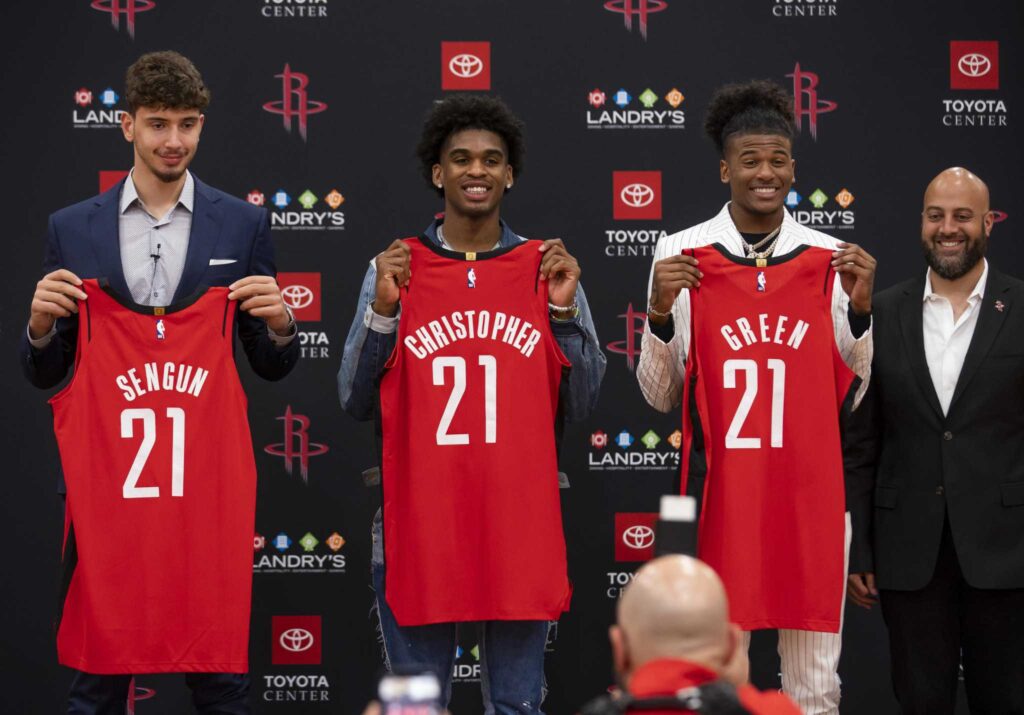
In a stunning reversal that will haunt Houston Rockets fans, the team surrendered a commanding 16-point lead in a crushing 111-99 home loss to the San Antonio Spurs Wednesday night. The collapse was orchestrated by Spurs rookie sensation Victor Wembanyama, who delivered a jaw-dropping stat line of 28 points, 16 rebounds, and 5 blocks, completely shifting the game’s momentum in the second half.
The night began with promise for Houston. The Rockets’ offense was firing early, with Amen Thompson (25 points) attacking the rim and veteran Kevin Durant (24 points) hitting smooth jumpers. Alongside Alperen Sengun’s all-around effort (18 points, 10 rebounds, 7 assists), Houston built what seemed like an insurmountable cushion, leading by 11 with just eight minutes left in the third quarter.
However, the game’s turning point was a masterful defensive adjustment by San Antonio. Wembanyama’s rim protection became a brick wall, altering countless shots and sparking fast breaks. The Spurs closed the third on a decisive 16-4 run, with Keldon Johnson contributing nine crucial points, to snatch their first lead at 79-78.
The true nightmare for the Rockets unfolded in the fourth quarter. Wembanyama took over, personally engineering an 11-0 run to start the period. He was unstoppable, drawing fouls and converting five free throws while intimidating Houston’s drivers on the other end. “We lost our composure against their length,” a Rockets player noted post-game, referencing Wembanyama’s 7-foot-4 frame. “He changes everything.”
Houston’s offensive execution crumbled under pressure. After shooting respectably early, the team finished at a frigid 39.4% from the field. Thompson’s 11-of-23 and Sengun’s 7-of-20 lines highlighted a night of missed opportunities. In contrast, the Spurs, empowered by their rookie’s dominance, shot a blistering 53.7%.
While a pair of Sengun free throws brought Houston within five points late, Spurs guard Dylan Harper slammed the door shut. Harper scored six points in a key 10-4 response, pushing the lead back to 11 and extinguishing the Rockets’ final hope.
This victory is a sweet redemption for Wembanyama and the Spurs, who suffered a tough loss to Houston just last week where the rookie was held to 14 points on poor shooting. It also swings the season series to 2-1 in San Antonio’s favor, setting up a pivotal final matchup on March 8th in San Antonio.
For the Rockets, this loss is a devastating blow to their momentum and exposes critical flaws in closing out games. The inability to sustain effort and execute against elite defensive talent is a worrying trend as they jockey for playoff position. The team must find answers quickly, as the margin for error in the loaded Western Conference is vanishingly small. The Spurs, meanwhile, have a transcendent talent in Wembanyama who proved, once again, that he can single-handedly dismantle an opponent and steal a victory.









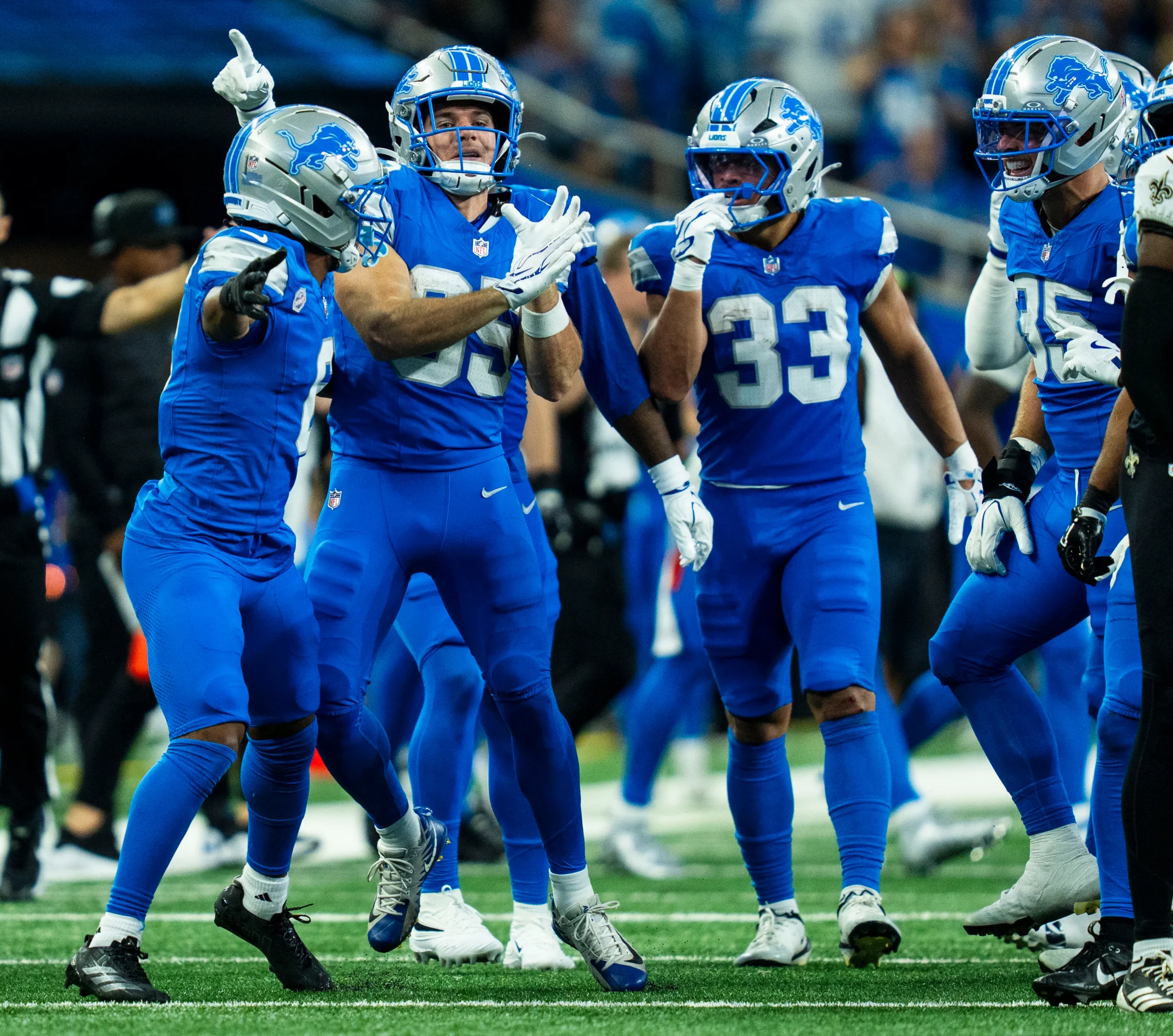
Table of Contents:
Bills vs Lions: Thrilling Opener, Tough Test Ahead Tonight!!!

The Bills vs Lions match up is set to headline Thursday Night Football as two unbeaten teams meet in Buffalo for a highly anticipated Week 2 showdown. Both the Buffalo Bills and Detroit Lions enter the game with 1-0 records after dramatic victories in Week 1. (FOX Sports)
Bills vs Lions Set for New Highmark Stadium Debut
The Detroit Lions will travel to Orchard Park to face the Buffalo Bills at the new Highmark Stadium. Thursday’s game marks the first regular-season NFL contest at the new venue, adding another storyline to an already significant matchup. Kickoff is scheduled for 8:15 p.m. ET, with Amazon Prime Video carrying the national broadcast. (Buffalo Bills)
The Bills enter the matchup after a 36-31 road victory over the Houston Texans. Josh Allen was central to the win, producing a four-touchdown performance as Buffalo rallied late to secure the victory. Tight end Dalton Kincaid also made a major impact with 130 receiving yards. (Syracuse)
Detroit also survived a close opening-week battle, defeating the New Orleans Saints 31-30 in overtime. Jahmyr Gibbs played a major role for the Lions, while Jared Goff and Detroit’s passing attack will now face a Buffalo defense that allowed 31 points in Week 1. (FuboTV)
Josh Allen and Jared Goff Take Center Stage
One of the biggest attractions of the Bills vs Lions game is the quarterback matchup between Josh Allen and Jared Goff.
Allen enters the contest after an impressive opening performance against Houston, while Goff helped guide Detroit through an overtime thriller against New Orleans. Both quarterbacks have experienced offenses around them, creating the potential for another high-scoring Thursday night contest. (Syracuse)
Detroit can also lean heavily on Gibbs, who rushed for 156 yards and two touchdowns against the Saints. Buffalo, meanwhile, will look to James Cook and its passing weapons to maintain offensive momentum. (LegalSportsBetting.com)
Injury Concerns Add Another Layer

The short turnaround could make injuries particularly important.
Buffalo listed safety Cole Bishop, running back Ty Johnson and defensive lineman T.J. Sanders as questionable for Thursday night’s game. Linebacker Terrel Bernard was limited in practice but did not receive an injury designation. (Buffalo Bills)
Detroit also has injury concerns heading into the matchup. Offensive lineman Christian Mahogany and cornerback D.J. Reed were among the players carrying injury designations, while Detroit’s offensive line has been an important area to monitor after the Week 1 overtime win. (Dimers)
A High-Profile Week 2 Showdown

The Bills vs Lions game brings together two teams that started the 2026 season with victories but also showed areas that need improvement.
Buffalo demonstrated offensive firepower in Houston but allowed 31 points. Detroit scored 31 against New Orleans but surrendered a 21-point lead before needing overtime to finish the victory. Those contrasting strengths and weaknesses could make Thursday’s matchup particularly intriguing. (LegalSportsBetting.com)
For fans looking for official viewing information, the Buffalo Bills’ official game guide provides television, streaming and radio details. (Buffalo Bills)
As the Bills prepare for their first regular-season game inside the new Highmark Stadium, the Lions arrive with momentum of their own. With both teams unbeaten, the Bills vs Lions clash has all the ingredients of an important early-season NFL matchup.
Major League
Table of Contents
Cardinals vs Cubs: Rivalry Delivers Another Memorable MLB Battle
Cardinals vs Cubs: Rivalry Delivers Another Memorable MLB Battle
Cardinals vs Cubs: Rivalry Delivers Another Memorable MLB Battle
Cardinals vs Cubs:

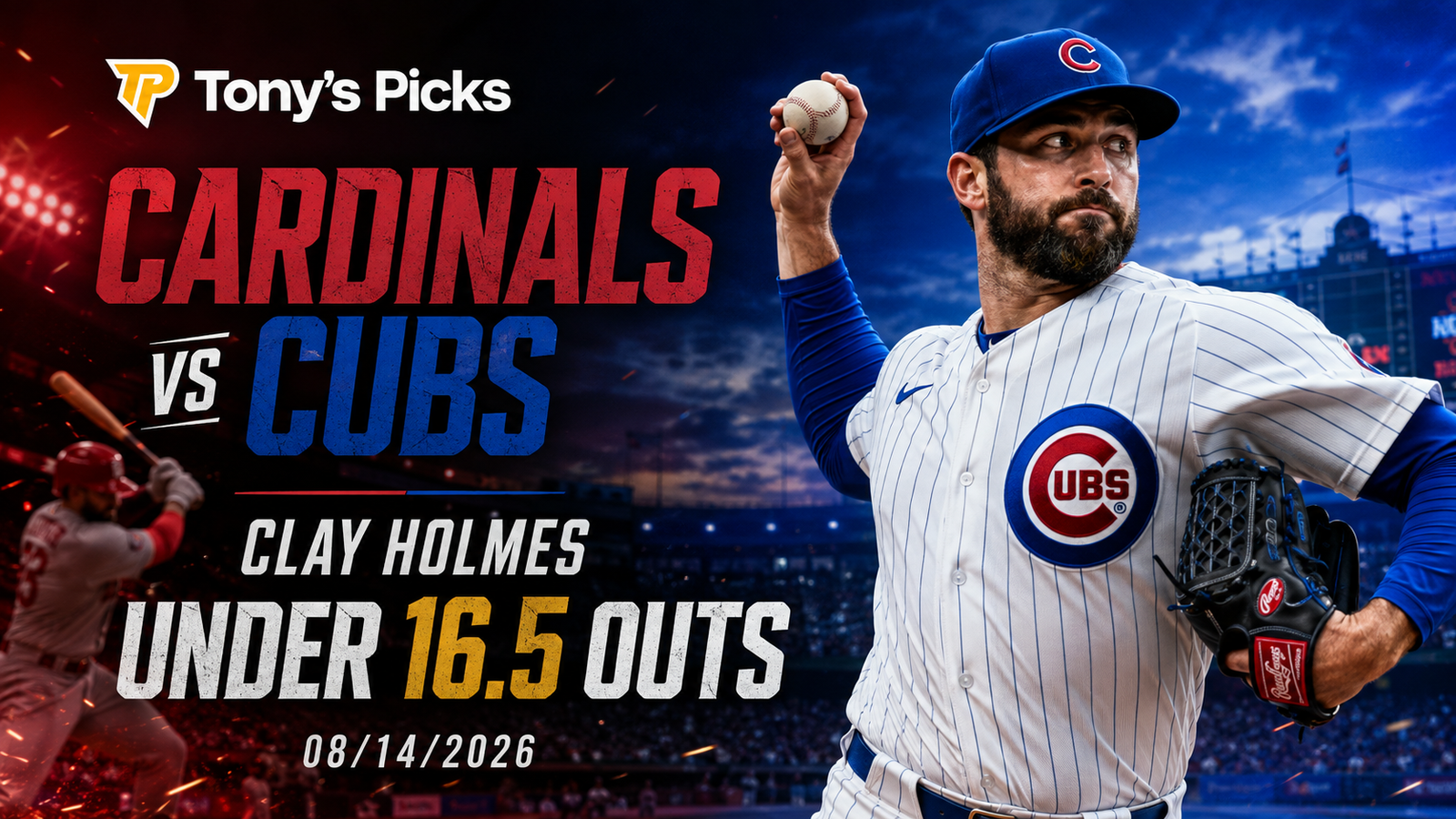
The Cardinals vs Cubs rivalry once again lived up to its reputation as one of Major League Baseball’s most exciting matchups. Fans witnessed an intense contest filled with dramatic moments, standout performances, and momentum swings that kept everyone on the edge of their seats. While one team celebrated a hard-earned victory, the other was left searching for answers after a disappointing defeat.
For decades, the rivalry between the St. Louis Cardinals and the Chicago Cubs has produced unforgettable games, and this latest encounter added another exciting chapter to their historic competition.
Strong Performances Light Up the Diamond
Both teams entered the game determined to gain an important advantage in the standings. The Cardinals relied on timely hitting and disciplined pitching, while the Cubs answered with aggressive offense and solid defensive plays.
Several players stepped up during key moments, delivering clutch hits and making spectacular defensive stops. The crowd responded with thunderous cheers as the game remained competitive from the opening inning until the final out.
Official MLB scores and game summaries are available at:
https://www.mlb.com
Cardinals Capitalize on Key Opportunities;

The Cardinals took advantage of scoring chances by delivering timely hits with runners in scoring position. Their pitching staff also limited damage during critical innings, helping secure valuable momentum.
Strong teamwork and smart decision-making allowed St. Louis to stay composed even when the Cubs threatened to rally late in the game.
Cubs Show Fight Despite Disappointing Result
Although the Cubs came up short, there were several encouraging signs. Young players continued to develop, and the team’s offense created multiple scoring opportunities throughout the contest.
However, missed chances and costly mistakes ultimately proved too difficult to overcome. The loss may be disappointing, but Chicago can still build confidence from several positive individual performances.
Fans can follow the latest Cubs updates at:
https://www.mlb.com/cubs
Historic Rivalry Continues to Captivate Baseball Fans
Few rivalries in baseball generate as much excitement as Cardinals vs Cubs. Every meeting carries playoff-like intensity regardless of the standings, making each game must-watch entertainment for baseball fans across the country.
With both clubs continuing their pursuit of postseason success, future meetings promise even more unforgettable moments.
The latest Cardinals news is available at:
https://www.mlb.com/cardinals
Looking Ahead
As the MLB season continues, both teams will focus on improving consistency and climbing the standings. The Cardinals hope to build on their momentum, while the Cubs aim to bounce back quickly and avoid letting one loss define their season.
The rivalry remains one of baseball’s greatest attractions, ensuring that every future Cardinals vs Cubs matchup will draw national attention.
Conclusion

The latest Cardinals vs Cubs showdown delivered exactly what baseball fans expected—intensity, excitement, and unforgettable moments. While the winning side celebrated another important victory, the losing team left with valuable lessons and optimism for the games ahead. With plenty of baseball still to be played, this historic rivalry .

Table of Contents
2027 Could Become a Defining Year for the Future

The year is already attracting attention as governments, businesses, technology companies and entertainment industries prepare for major developments. From artificial intelligence and digital transformation to international sports and changing consumer habits, the year could bring exciting opportunities while also creating serious challenges.
Some developments are already scheduled. The FIFA Women’s World Cup will take place in Brazil, while the Cricket World Cup is scheduled across South Africa, Zimbabwe and Namibia. The first Olympic Esports Games are also planned for Riyadh.
For consumers and businesses, however, the biggest story may be technological change.
Artificial Intelligence Could Dominate 2027
Artificial intelligence is expected to play an even larger role in everyday life by 2027. Businesses are increasingly using AI for research, customer service, marketing, software development and content creation.
The potential benefits are significant. AI could help companies become more productive, assist doctors with complex tasks and provide consumers with increasingly personalized digital services.
But there is also a darker side. Concerns about misinformation, cybersecurity, privacy and job disruption are likely to remain major issues. The challenge will be finding a balance between innovation and responsible use.
2027 Could Be a Major Year for Entertainment

The global entertainment industry is expected to continue its shift toward digital platforms, streaming, gaming and advertising.
PwC previously projected that global entertainment and media revenue could reach approximately $2.8 trillion, with digital sources accounting for nearly three-quarters of industry revenue. Gaming was identified as one of the industry’s major growth engines.
That creates a positive outlook for filmmakers, musicians, game developers and digital creators. At the same time, intense competition could make it harder for individual streaming services and entertainment companies to maintain profitability.
Major Sports Events Will Bring Global Attention
Sports will be another important part of the calendar.
The 2027 FIFA Women’s World Cup in Brazil is expected to generate substantial international interest. Women’s professional soccer is also continuing to grow in the United States, with the NWSL positioning its 2027 season around the broader international soccer calendar.
Cricket fans will also have a major event to follow, with the Cricket World Cup scheduled to be hosted by South Africa, Zimbabwe and Namibia.
These events could provide positive economic opportunities for host countries, tourism businesses and broadcasters, although large sporting events can also face challenges involving costs, infrastructure and logistics.
Technology Companies Prepare for a New Era
Technology exhibitions are already looking forward to it. CES for example, is scheduled for January 6–9 in Las Vegas, highlighting how artificial intelligence, connected devices and other emerging technologies will remain central to the technology industry.
Businesses are expected to focus heavily on:
Artificial intelligence
Robotics
Cloud computing
Cybersecurity
Connected devices
Electric vehicles
Renewable energy
Advanced digital services
The positive possibility is faster innovation. The negative concern is that companies and workers that fail to adapt could find themselves increasingly behind their competitors.
The Global Economy Faces Opportunities and Risks
The economic picture for 2027 is difficult to predict with certainty.
Technology investment could support productivity and create new industries. However, inflation, interest rates, geopolitical tensions and changes in consumer spending could create uncertainty.
Businesses are therefore likely to prioritize efficiency and flexibility. Companies capable of adopting new technology without losing sight of customer needs could have an advantage.
Climate and Renewable Energy Remain Important
Climate change will remain a major concern in 2027.
Governments and businesses are expected to continue investing in renewable energy, electric transportation and more efficient infrastructure. These developments could create new industries and jobs while reducing dependence on fossil fuels.
However, extreme weather, rising infrastructure costs and disagreements over environmental policies could create significant obstacles.
Positive Outlook: Innovation Creates New Opportunities
There are plenty of reasons to be optimistic about 2027.
Technology could make healthcare more efficient, businesses could become more productive, and consumers could gain access to better digital products. International sporting and entertainment events could also create tourism and economic opportunities.
For workers, learning new digital skills may open doors to emerging careers in AI, cybersecurity, healthcare technology, renewable energy and advanced manufacturing.
Negative Outlook: Rapid Change Could Create New Problems
The future will not be completely positive:

Rapid technological development could increase concerns about employment, misinformation and privacy. Global political tensions could also affect trade and financial markets.
The growing amount of AI-generated content may make it more difficult for people to distinguish authentic information from misleading material. Cybersecurity could become an even bigger priority as more services move online.
What Could Make 2027 Different?
One of the biggest themes of 2027 may be adaptation.
People who learn to work effectively with new technologies could benefit from emerging opportunities. Companies that embrace innovation responsibly may gain an advantage, while organizations that resist change could struggle.
The same principle could apply to governments, which will need to balance technological progress with privacy, security, employment and public trust.
Final Outlook for 2027
2027 has the potential to be an exciting but complicated year. Major sporting competitions, technological advances and continued growth in digital entertainment could create a powerful sense of optimism.
At the same time, economic uncertainty, geopolitical tensions, climate concerns and rapid technological disruption could produce difficult challenges.
The most important story may therefore not be what happens in 2027, but how successfully people, businesses and governments adapt to it.
Useful Links
United Nations — Global issues and international developments.
International Monetary Fund — Global economic research and outlooks.
World Economic Forum — Technology, business and global trends.
PwC Global Entertainment & Media Outlook — Entertainment and media industry forecasts.


Bills vs Lions: Thrilling Opener, Tough Test Ahead Tonight!!!

Maria Bartiromo’s Stunning Exit Brings New Hope for Her Future

Cardinals vs Cubs:Major League Thrilling Clash Brings Joy Despite Tough Blow

New Movies Streaming – 6 Must-Watch New Movies & Shows Streaming This Weekend (July 18 – 20)

Hollie Strano’s Incredible Comeback: 1 New Radio Gig After WKYC Exit

911 outage – Pennsylvania experiencing problems with 911 calls statewide
-
 Entertainment1 year ago
New Movies Streaming – 6 Must-Watch New Movies & Shows Streaming This Weekend (July 18 – 20)
-
 News1 year ago
Hollie Strano’s Incredible Comeback: 1 New Radio Gig After WKYC Exit
-
 News1 year ago
911 outage – Pennsylvania experiencing problems with 911 calls statewide
-
 News1 year ago
Type 1 Diabetes Barbie Doll – A Step Toward Inclusivity in Toys
-

 Entertainment11 months ago
Donna Jean Godchaux – Heartbreaking Loss: Music Legend Dies at 78
-

 Sports1 year ago
Liverpool vs Athletic Club: Squad Update – Van Dijk, Bradley, Alisson, Gomez Ruled Out
-

 News1 year ago
NYC Subway Flood – Live Updates: NYC Subway Flood Disrupts Commute After Flash Flooding
-

 News1 year ago
Jannik Sinner and Carlos Alcaraz set for Wimbledon final showdown after semifinal wins