
News
S&P 500 Plunges 10%: Trump’s Tariff War Sparks Market Panic


Table of Contents
Trump’s new tariffs on Europe spark a market meltdown, sending the S&P 500 down sharply. Is this the start of a full-blown transatlantic trade war?
A major new trade conflict between (S&P 500) the United States and Europe, sparked by President Trump’s sudden tariff announcement, has sent shockwaves through global financial markets, causing the S&P 500 to tumble sharply.

In a move that has rattled investors and diplomats alike, President Trump announced sweeping new tariffs on key European Union nations. The decision, linked to a dispute over Arctic sovereignty and Greenland’s resources, directly threatens the fragile EU-US trade deal struck just last July and risks triggering a broader transatlantic trade war.
A Deal Broken, A Market Shaken
The crisis began when President Trump declared that imports from Denmark, Norway, Sweden, France, Germany, the United Kingdom, the Netherlands, and Finland would face immediate 10% tariffs starting February 1, escalating to a punishing 25% by June 1. The stated goal is to pressure Denmark and Greenland into a deal granting the U.S. control over the mineral-rich island.
“World Peace is at stake!” President Trump stated, arguing that the U.S. has subsidized European allies “for many years by not charging them tariffs.” He declared, “Now, after centuries, it is time for Denmark to give back.”
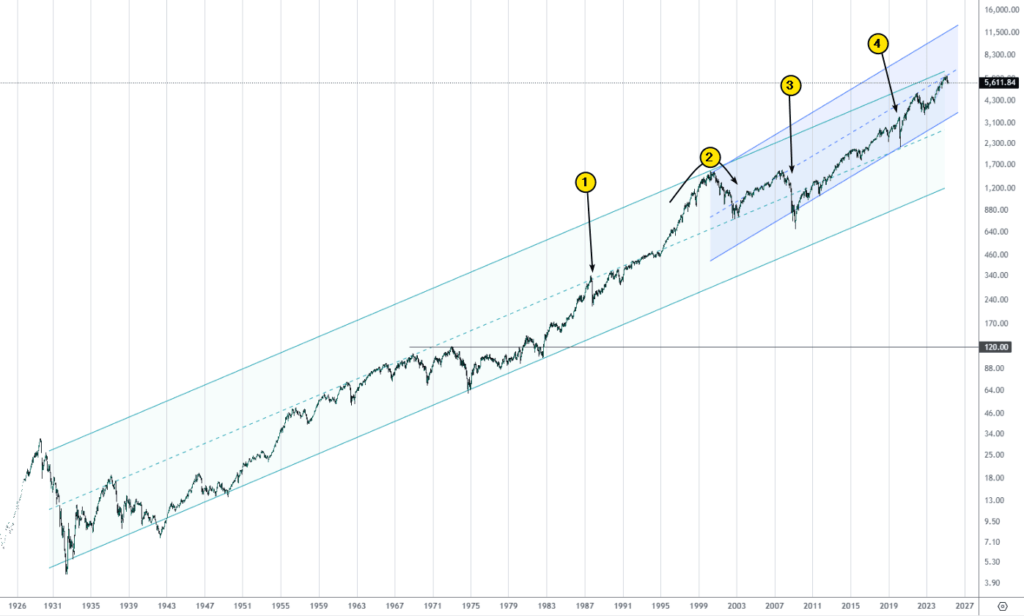
The announcement triggered an instant and severe reaction on Wall Street. The S&P 500 index, a key barometer of U.S. corporate health and investor sentiment, fell precipitously as traders assessed the impact of disrupted transatlantic supply chains and higher costs on major multinational companies. The volatility index (VIX), often called the “fear gauge,” spiked as market panic set in.

European Leaders Unite in Defiance
The response from Europe was swift and unified. Ursula von der Leyen, President of the European Commission, criticized the move at the World Economic Forum in Davos, calling the tariffs “a mistake between long-standing allies.”
“In politics, as in business, a deal is a deal,” von der Leyen stated, referencing the hard-won EU-US trade agreement finalized in July. “And when friends shake hands, it must mean something.” She warned that the tariffs “would undermine transatlantic relations and risk a dangerous downward spiral,” vowing that “Europe will remain united, coordinated, and committed to upholding its sovereignty.”

The confrontation is not merely economic but also geopolitical. The tariffs follow a recent joint military exercise in Greenland, led by the Danish military, which included troops from other European nations. This activity was part of a concerted effort to strengthen Europe’s strategic “footprint” in the increasingly contested Arctic region, where melting ice is opening new shipping routes and access to untapped resources.
The Stakes for the U.S. Economy and Investors
For American investors and consumers, the implications are direct and worrying:
- Corporate Earnings at Risk: Countless U.S. companies rely on seamless trade with Europe, both for sales and for components. Sudden tariffs act as a tax on these activities, threatening to squeeze profit margins and lower stock valuations.
- Inflationary Pressure: Tariffs often lead to higher prices for imported goods. Consumers could face increased costs for a range of products, from German automobiles to French wines and Danish pharmaceuticals.
- Retaliation Fears: The EU has a history of preparing targeted countermeasures in trade disputes. European retaliation could hit iconic American exports, further harming U.S. farmers and manufacturers.
- Uncertainty is the Enemy: Financial markets detest unpredictability. This abrupt shift in trade policy creates profound economic uncertainty, discouraging business investment and complicating long-term planning for corporations globally.

Historical Context: A Pattern of Confrontation
This episode marks a significant escalation in Trump’s “America First” trade policy. The previous EU-US trade deal he negotiated was hailed by the President as “the biggest deal ever made,” designed to bring “stability” and “predictability.” Its potential collapse within six months reveals the fragility of agreements in the current geopolitical climate and raises questions about the reliability of the U.S. as a trade partner.
The focus on Greenland sovereignty is also a dramatic twist. U.S. interest in purchasing Greenland was publicly floated and rejected during Trump’s first term. The current strategy of using severe tariffs as leverage to gain control of the island’s resources represents a more aggressive and coercive approach to Arctic security and resource competition.
What Comes Next?
All eyes are now on the February 1 implementation date and Europe’s response. Key questions will determine the market’s direction:
- Will the EU proceed with a formal WTO challenge and announce its own retaliatory tariffs?
- Can behind-the-scenes diplomacy avert the planned June 1 tariff increase to 25%?
- How will the Federal Reserve view this new source of inflation and economic disruption as it sets interest rate policy?
For now, the message from the plunging S&P 500 is clear: the market views a full-blown trade war with a major economic partner as a direct threat to economic growth and corporate profitability. The coming weeks will test the resilience of the transatlantic alliance and the stability of global financial markets.

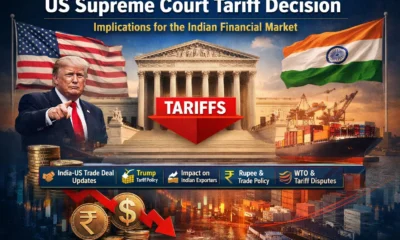

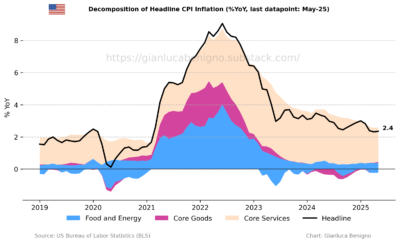






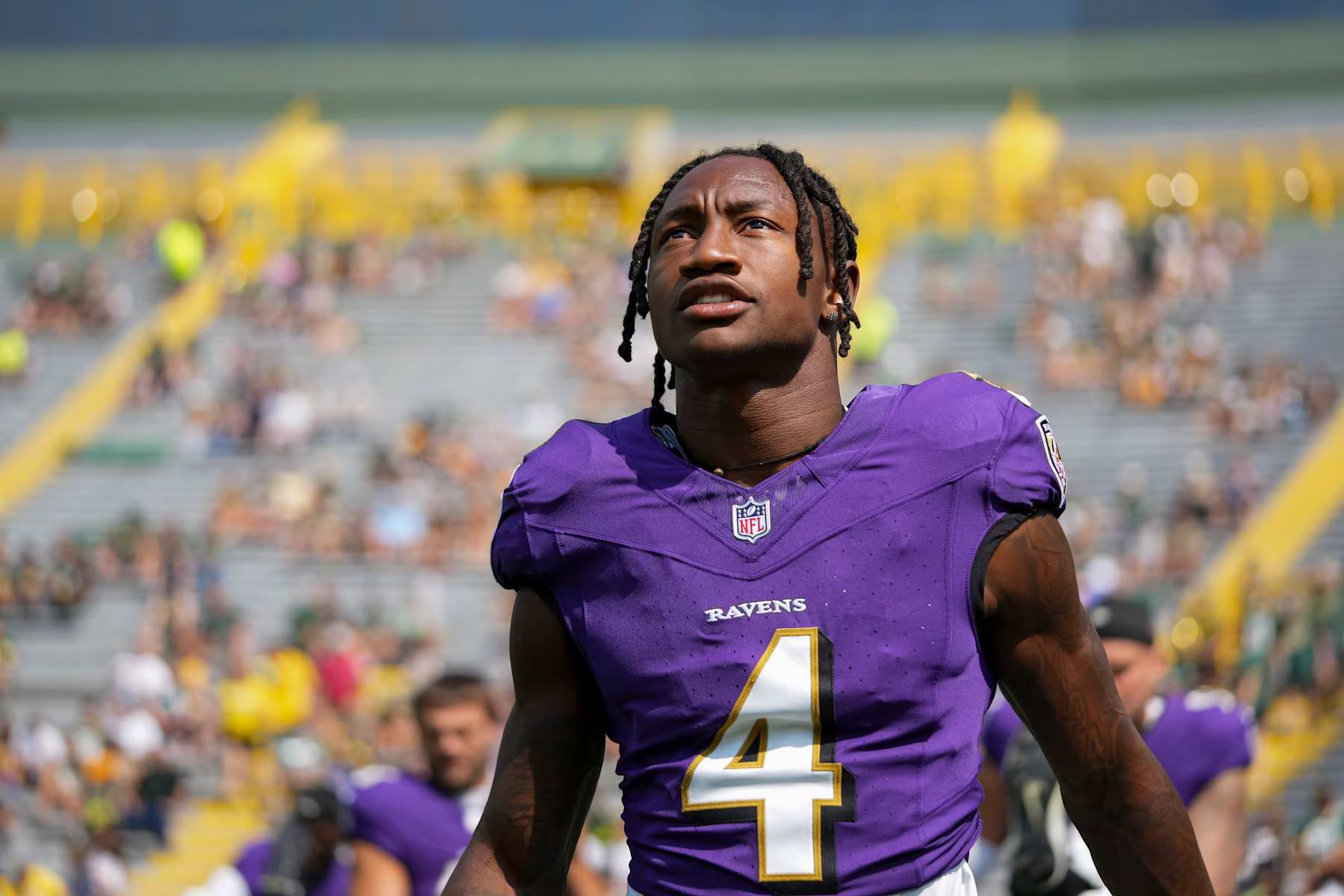
Table of Contents – Zay Flowers
Cementing Elite Status in Baltimore
For fans across the United States watching the wide receiver market skyrocket, this extension comes as little surprise, though the sheer scale of the numbers highlights just how vital Flowers has become to Baltimore’s scheme. Set to turn 26 in September, Flowers has evolved from a promising first-round pick into an absolute anchor for the Ravens’ offense.
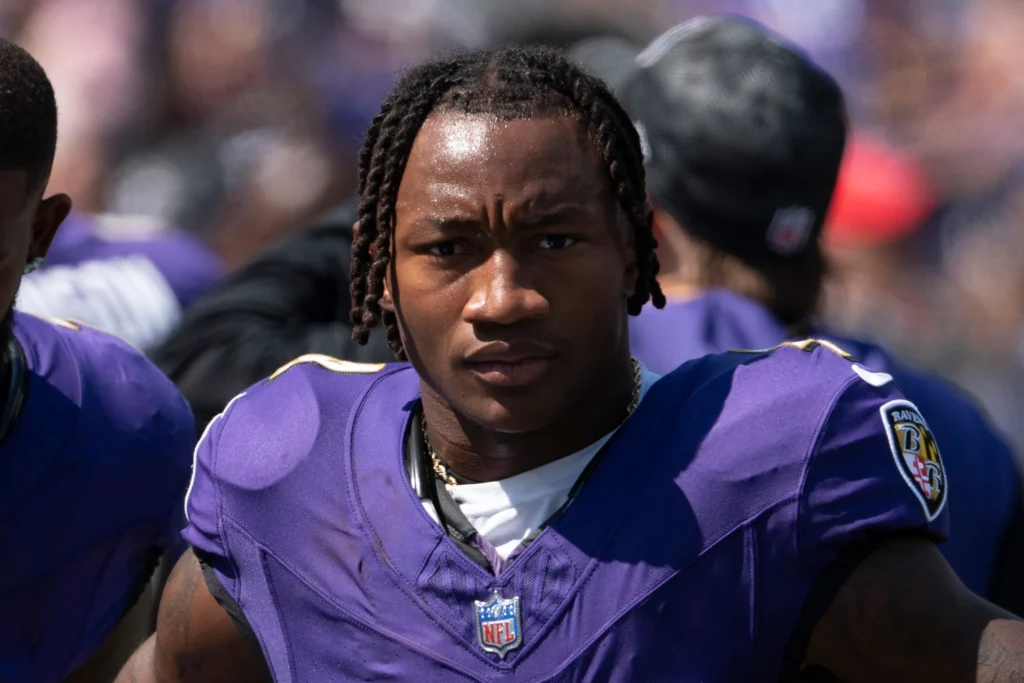
During the previous season, Flowers practically carried the load through the air. His incredible 1,211 receiving yards accounted for 36.9% of the Ravens’ entire passing offense. Across the entire NFL landscape in that same season, that mark stood as the second-highest dependency share by any single player, trailing only Seattle Seahawks star Jaxon Smith-Njigba, who reset the market at a staggering $42.15 million per year.

Rising Up the 2023 Draft Class
When looking back at the loaded 2023 NFL Draft class, Flowers consistently ranks among the elite tier alongside Smith-Njigba and Los Angeles Rams weapon Puka Nacua. Over the past three seasons, Nacua has racked up 4,191 receiving yards, while Smith-Njigba has logged 3,551 yards. Flowers sits tightly right behind them with an impressive 3,128 career receiving yards.
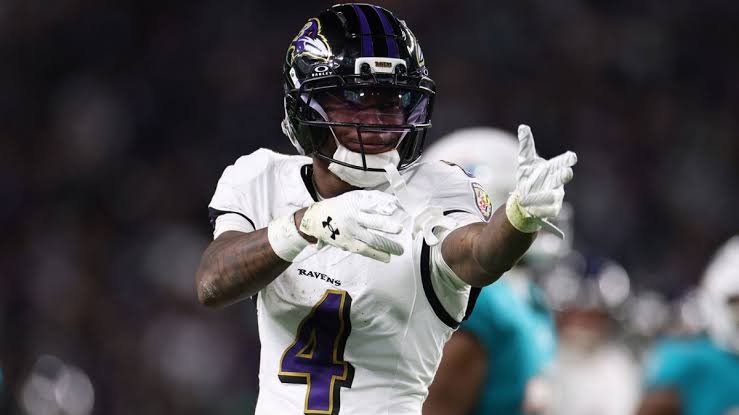
Furthermore, Flowers holds a unique page in Ravens history. He stands as the only wide receiver in franchise history to earn Pro Bowl honors—a feat he accomplished in both 2024 and 2025. Last season alone, he shattered personal bests by hauling in 86 receptions. To put that dominance into perspective, no other wide receiver on the Ravens roster managed to cross even 25 catches or 400 yards during that same campaign.
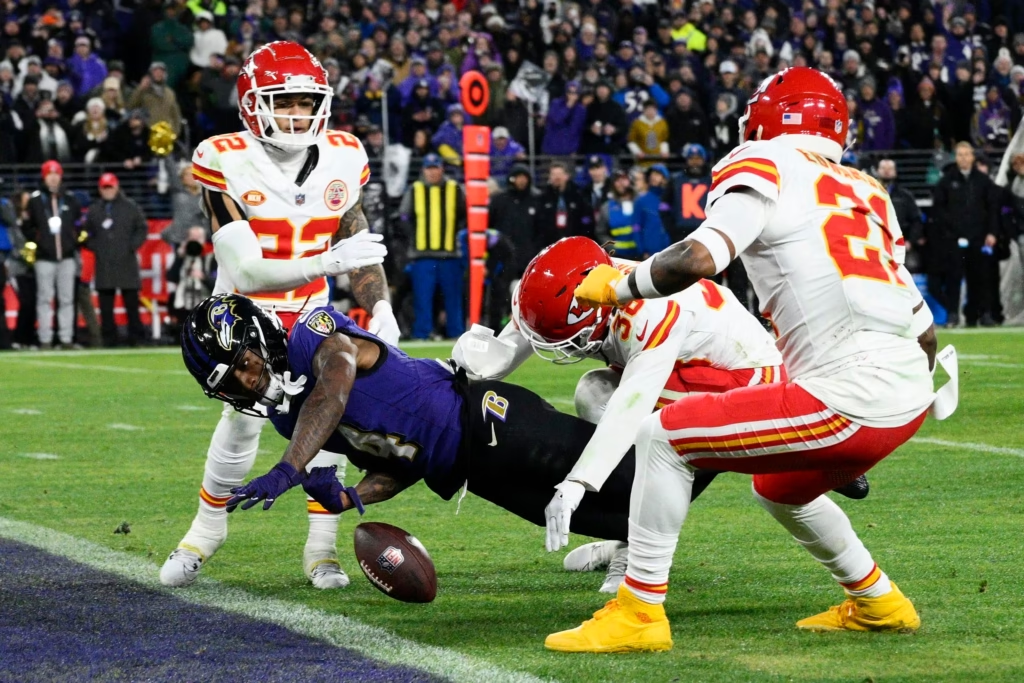
Catching The Bag: NFL Wide Receiver AAV Market
To understand where Flowers fits in the current financial landscape of professional football, consider the top tier of wide receiver average annual values (AAV):
| Wide Receiver | Team | Average Annual Value (AAV) |
| Jaxon Smith-Njigba | SEA | $42.15M |
| Ja’Marr Chase | CIN | $40.25M |
| Drake London | ATL | $35.25M |
| Zay Flowers | BAL | $35M |
| Justin Jefferson | MIN | $35M |
| CeeDee Lamb | DAL | $34M |
Source: ESPN Research
What This Means for the Ravens Moving Forward
By securing this extension—which supersedes the fifth-year rookie option Baltimore picked up earlier—the front office has removed any looming contract distractions. With stability at the wide receiver position, head coach Jesse Minter and the coaching staff can fully lean on the connection between Lamar Jackson and his primary playmaker.
As training camps roll on and the season approaches, all eyes will be locked on Baltimore to see if this massive investment translates into deep playoff runs. One thing is certain: Zay Flowers has officially secured his bag, and he is ready to deliver.


Table of Contents:
Aaron Farinacci Faces Arson Charge as Spokane Wildfire Devastates Communities:

The name Aaron Farinacci has dominated headlines after authorities in Spokane, Washington, arrested the 37-year-old on suspicion of first-degree arson in connection with the Old Trails Fire, one of the largest wildfires burning in the region. The case has attracted nationwide attention because of the scale of the wildfire, the thousands of residents forced to evacuate, and Farinacci’s previous criminal history.
Authorities stress that the criminal case is ongoing, and the allegations must be proven in court. Nevertheless, the arrest has intensified conversations about wildfire prevention, public safety, and criminal accountability.
Authorities Announce Aaron Farinacci’s Arrest
According to the Spokane County Sheriff’s Office, Aaron Farinacci was arrested after investigators linked him to the origin area of the Old Trails Fire.
Officials said a witness reported seeing a man behaving suspiciously near the location where the wildfire started. Detectives later reviewed evidence, including witness statements and investigative findings, before making the arrest.
Farinacci has been booked on suspicion of first-degree arson and is being held on $1 million bond while legal proceedings begin. Prosecutors have not yet secured a conviction, and Farinacci is presumed innocent unless proven guilty in court. (Reuters)
Massive Wildfire Leaves Trail of Destruction
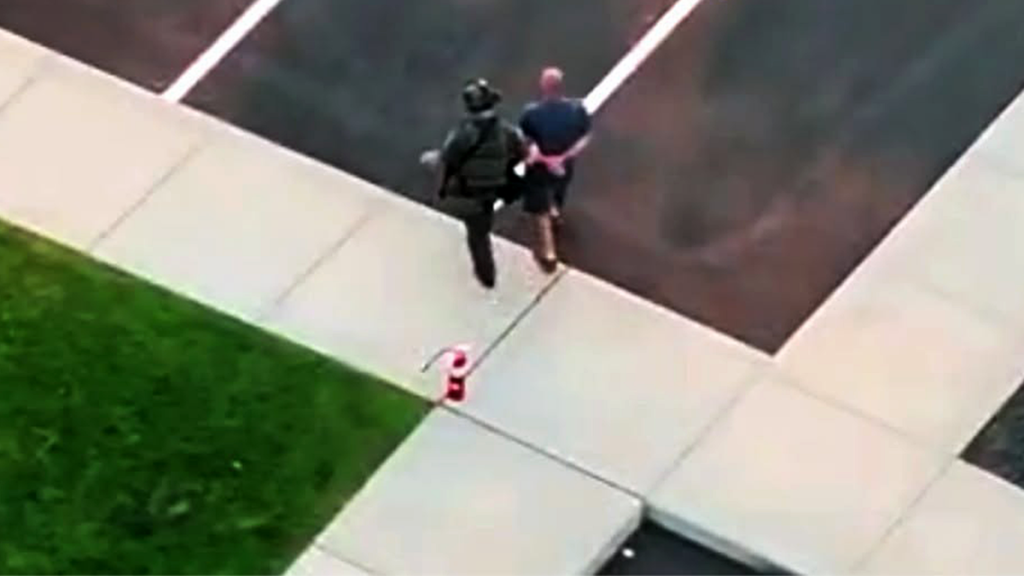
The wildfire has become one of the most destructive disasters in Spokane’s recent history.
Officials report that:
- More than 700 structures have been destroyed or damaged.
- Approximately 67,000 residents have received evacuation orders.
- Thousands of acres have burned.
- More than 1,000 firefighters have been deployed to battle the flames.
Despite the enormous destruction, emergency crews have worked tirelessly to protect lives, and officials have reported no confirmed fatalities directly linked to the fire at the time of reporting. (AP News)
Previous Criminal History Draws Attention
The investigation has also renewed public attention to Aaron Farinacci’s previous criminal case.
Court records and news reports indicate that Farinacci was previously convicted in Arizona following the 2010 fatal shooting of his father during a domestic dispute. He later served a prison sentence before eventually being released.
Although this prior conviction has received widespread media coverage, it remains legally separate from the current Washington arson investigation. Prosecutors must independently prove the current allegations beyond a reasonable doubt. (AP News)
Positive Developments Amid the Crisis
While the wildfire has caused widespread destruction, several encouraging developments have emerged.
Strong Emergency Response
Firefighters from Washington and neighboring states quickly mobilized to protect neighborhoods and critical infrastructure.
Community Support
Local organizations, volunteers, and emergency shelters have provided assistance to displaced families by offering food, temporary housing, and essential supplies.
Federal Assistance
Federal emergency assistance has been approved to help local agencies respond to the disaster and support recovery efforts. (AP News)
Negative Impact on Spokane
The disaster has also created significant challenges.
Thousands Forced From Their Homes
Entire neighborhoods were evacuated, leaving many families uncertain about when they can safely return.
Property Loss
Hundreds of homes, businesses, farms, and community buildings have suffered extensive damage.
Environmental Damage
The wildfire has destroyed forests, wildlife habitat, and produced hazardous smoke affecting air quality across the region.
Emotional Toll
Residents continue coping with uncertainty, financial losses, and the emotional impact of seeing homes and communities devastated.
Investigation Continues
Investigators continue collecting evidence regarding the wildfire’s origin.
Authorities have indicated that witness statements, physical evidence, and forensic analysis will all play important roles as the criminal case proceeds through Washington’s legal system.
Legal experts note that an arrest represents the beginning—not the conclusion—of the judicial process.
Public Safety Remains a Priority
Officials continue urging residents to:
- Follow evacuation orders immediately.
- Avoid entering restricted fire zones.
- Monitor official emergency alerts.
- Report suspicious fire activity.
- Prevent accidental wildfire ignition during extreme weather.
Emergency officials also remind the public that wildfire danger remains high because of dry vegetation, drought conditions, and changing winds.
Looking Ahead
As firefighters continue battling the Old Trails Fire, Spokane faces the difficult task of recovery.
The coming weeks will likely focus on rebuilding neighborhoods, assisting displaced families, restoring damaged infrastructure, and continuing the legal proceedings surrounding Aaron Farinacci’s case.
Whether the charges ultimately result in a conviction will be determined by the courts after all evidence has been presented.
For now, residents remain hopeful that cooler weather, additional firefighting resources, and community resilience will help Spokane recover from one of the region’s most challenging wildfire disasters.
Helpful Links
- AP News – Wildfire investigation: https://apnews.com/article/f23e7a45456dc166344f08fc09db4843
- Reuters – Spokane wildfire arrest: https://www.reuters.com/world/us/arson-suspect-arrested-wildfires-rage-around-spokane-washington-2026-08-04/
- Spokane County Sheriff’s Office: https://www.spokanecounty.org/

Table of Contents:
Jonathan Taylor Thomas: The Child Star Who Chose Privacy Over Fame
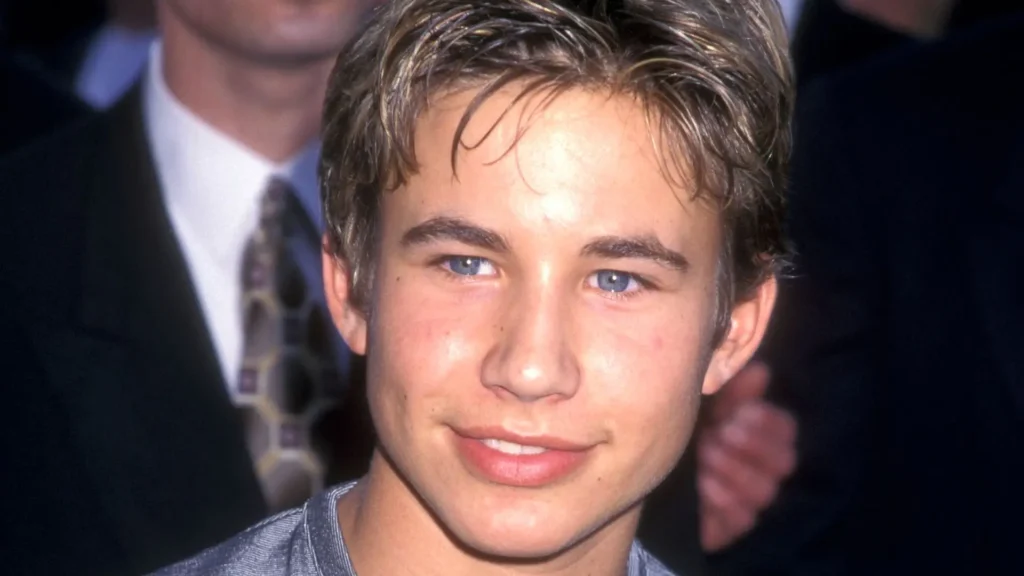
For millions of fans who grew up in the 1990s, Jonathan Taylor Thomas was one of Hollywood’s brightest young stars. Best known for his role as Randy Taylor on the hit sitcom Home Improvement and as the voice of young Simba in Disney’s The Lion King (1994), Thomas became a household name at an early age. While his career was filled with success and admiration, his decision to step away from the spotlight sparked years of speculation. Today, his story is viewed as both an inspiring example of personal choice and a reminder of the challenges of child stardom.
Early Rise to Fame
Jonathan Taylor Thomas began acting at a young age and quickly captured audiences with his natural charisma and talent. His breakthrough came with ABC’s Home Improvement, where he starred alongside Tim Allen from 1991 to 1998.
At the same time, he became one of the most recognizable voices in animation after portraying young Simba in Disney’s blockbuster film The Lion King. His performances made him one of the most popular teen actors of the decade.
Learn more about his career on IMDb:
https://www.imdb.com/name/nm0858479/
Hollywood Success and Fan Following
Throughout the 1990s, Thomas starred in several successful family films, including:
- Man of the House (1995)
- Tom and Huck (1995)
- Wild America (1997)
- I’ll Be Home for Christmas (1998)
His popularity extended beyond television and film, with appearances on magazine covers and numerous fan polls naming him one of the era’s favorite young celebrities.
Disney’s official information about The Lion King can be found here:
https://movies.disney.com/the-lion-king-1994
Why Jonathan Taylor Thomas Left Hollywood
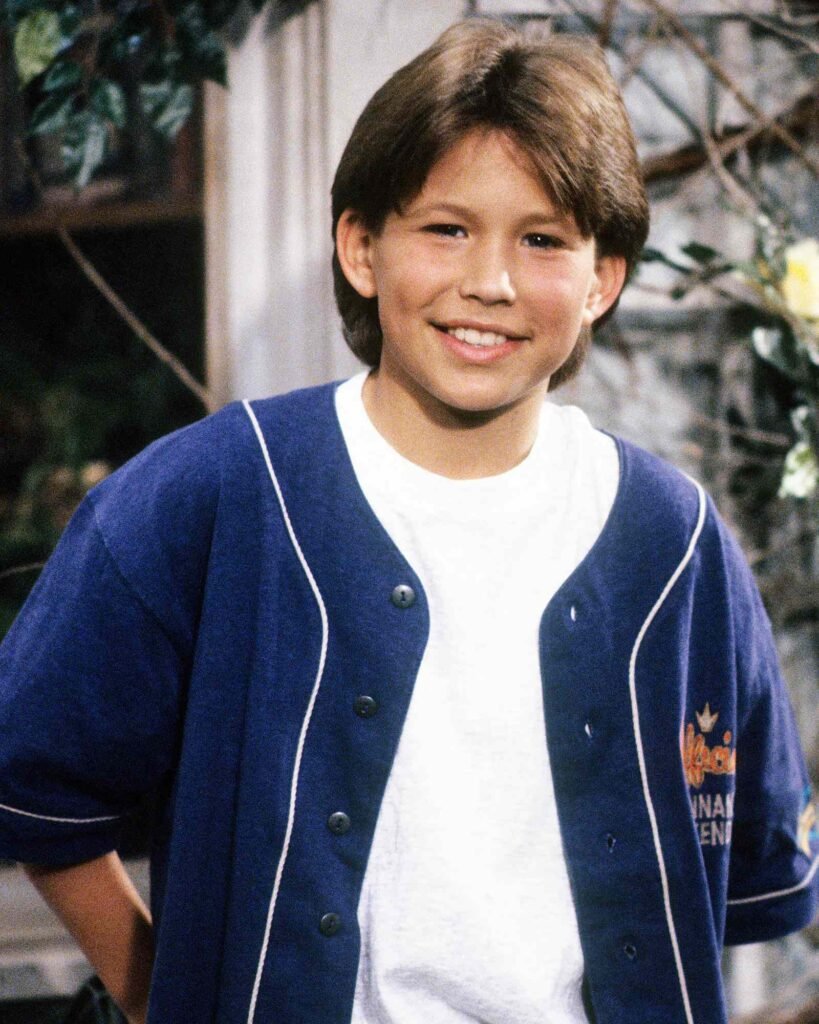
Despite achieving enormous fame, Jonathan Taylor Thomas surprised many fans by stepping away from acting during the late 1990s.
Rather than continuing to pursue celebrity status, he focused on his education, attending prestigious institutions including Harvard University and Columbia University before continuing studies at St. Andrews in Scotland.
In interviews, Thomas explained that he wanted to experience life outside Hollywood and never felt entirely comfortable with constant public attention.
A Private Life Away from the Spotlight
Unlike many former child stars, Jonathan Taylor Thomas has largely stayed away from social media and public appearances.
He occasionally reunited with former Home Improvement co-star Tim Allen by directing and guest-starring in episodes of Last Man Standing, delighting longtime fans.
However, he continues to maintain a low profile, making only rare public appearances and avoiding the celebrity lifestyle.
His Lasting Legacy:

Jonathan Taylor Thomas remains one of the most memorable actors of the 1990s. His decision to prioritize personal happiness and education over continuous fame has earned respect from fans and industry observers alike.
Although many continue hoping for a major acting comeback, Thomas has shown that success can also mean choosing a quieter, more private life.
His legacy continues through beloved television episodes, classic family films, and one of Disney’s most iconic animated characters.


Zay Flowers 4M: Massive $140M Deal

Aaron Farinacci Arrest Sparks Shocking Questions After Spokane Fire

Jonathan Taylor Thomas: Inspiring Comeback or Quiet Exit? Shocking Truth

New Movies Streaming – 6 Must-Watch New Movies & Shows Streaming This Weekend (July 18 – 20)

Hollie Strano’s Incredible Comeback: 1 New Radio Gig After WKYC Exit

911 outage – Pennsylvania experiencing problems with 911 calls statewide
-
 Entertainment1 year ago
New Movies Streaming – 6 Must-Watch New Movies & Shows Streaming This Weekend (July 18 – 20)
-
 News12 months ago
Hollie Strano’s Incredible Comeback: 1 New Radio Gig After WKYC Exit
-
 News1 year ago
911 outage – Pennsylvania experiencing problems with 911 calls statewide
-
 News1 year ago
Type 1 Diabetes Barbie Doll – A Step Toward Inclusivity in Toys
-

 Entertainment9 months ago
Donna Jean Godchaux – Heartbreaking Loss: Music Legend Dies at 78
-

 Sports1 year ago
Liverpool vs Athletic Club: Squad Update – Van Dijk, Bradley, Alisson, Gomez Ruled Out
-

 News1 year ago
NYC Subway Flood – Live Updates: NYC Subway Flood Disrupts Commute After Flash Flooding
-

 News1 year ago
Jannik Sinner and Carlos Alcaraz set for Wimbledon final showdown after semifinal wins