
News
Pam Bondi’s Shocking 70% Purge: DOJ Crisis Exposed

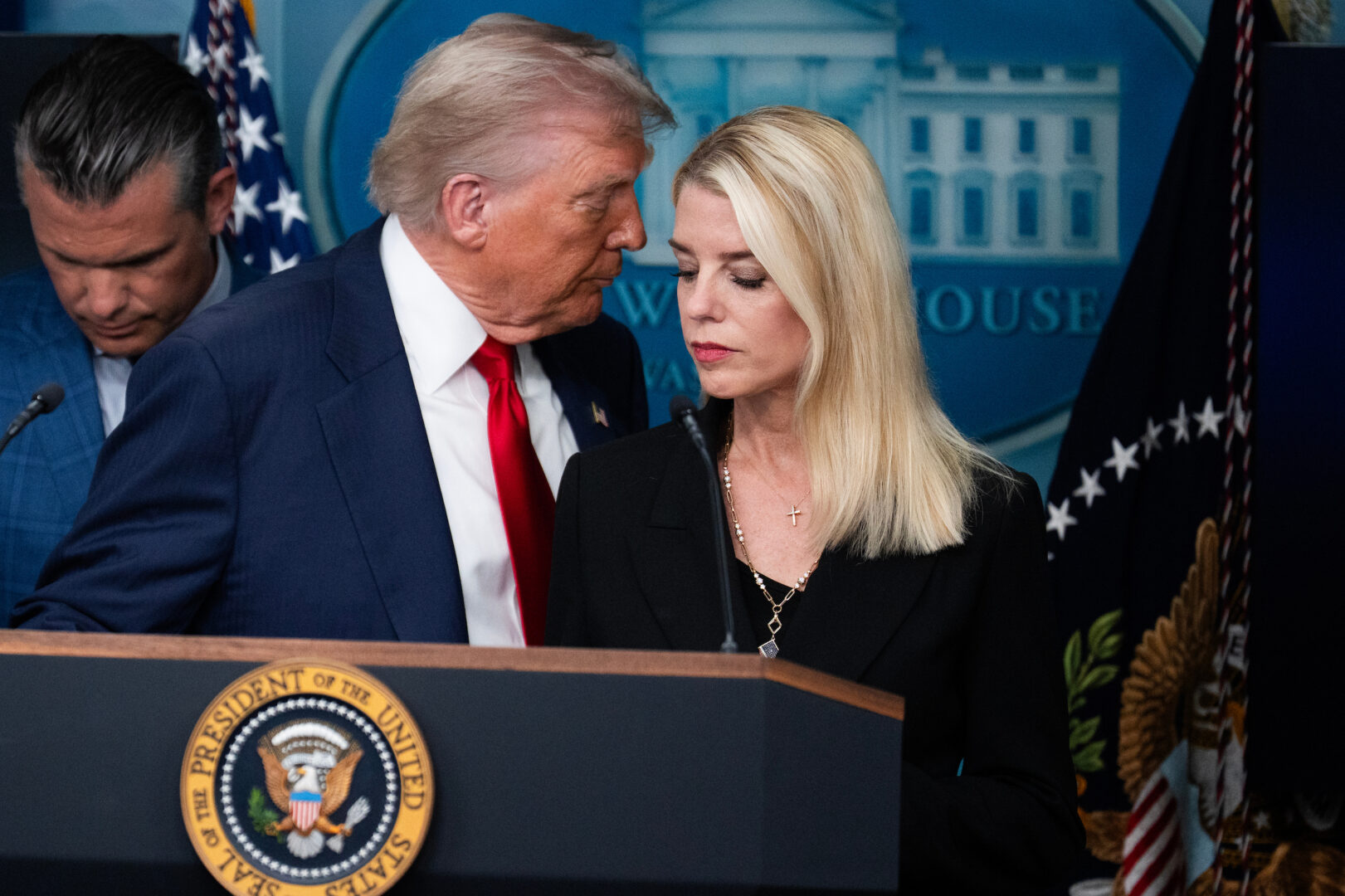
Table of Contents
In a tense Senate hearing, Attorney General Pam Bondi faced fierce scrutiny over the radical transformation and alleged weaponization of the Department of Justice under her leadership.

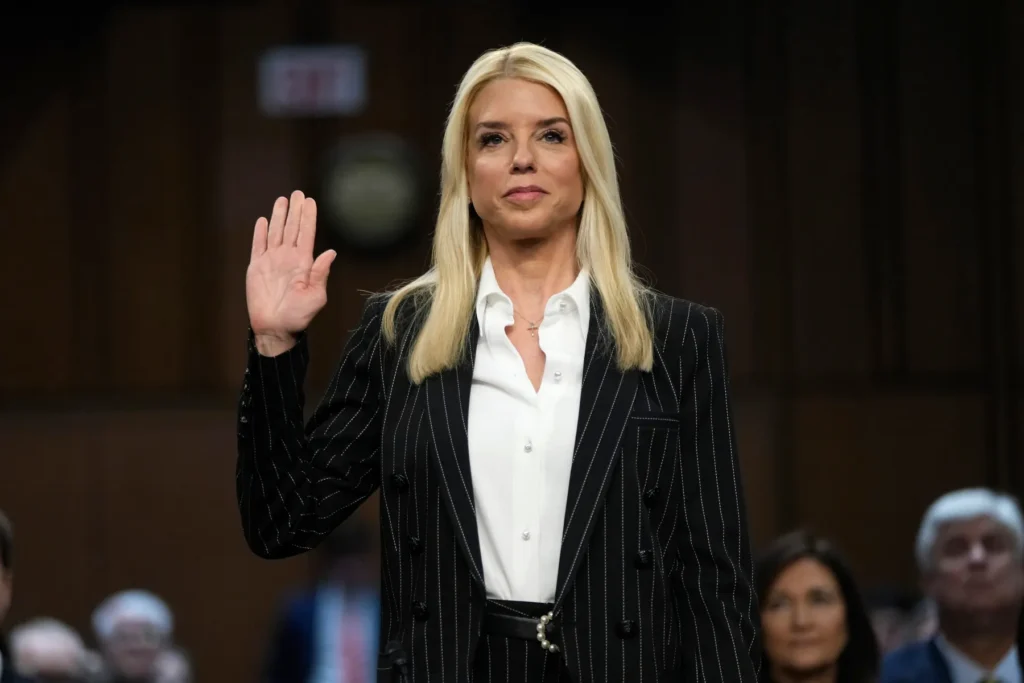
WASHINGTON — Attorney General Pam Bondi testified before the Senate Judiciary Committee on Tuesday, defending her tenure amid mounting accusations that she has turned the Department of Justice into a political weapon targeting the enemies of former President Donald Trump.
The hearing comes on the heels of one of the most controversial actions under her watch: the indictment of former FBI Director James Comey. The charges against Comey, for false statements and obstruction of justice related to 2020 testimony, have been cited by critics as the clearest evidence of a deeply politicized DOJ.
A Department in Turmoil
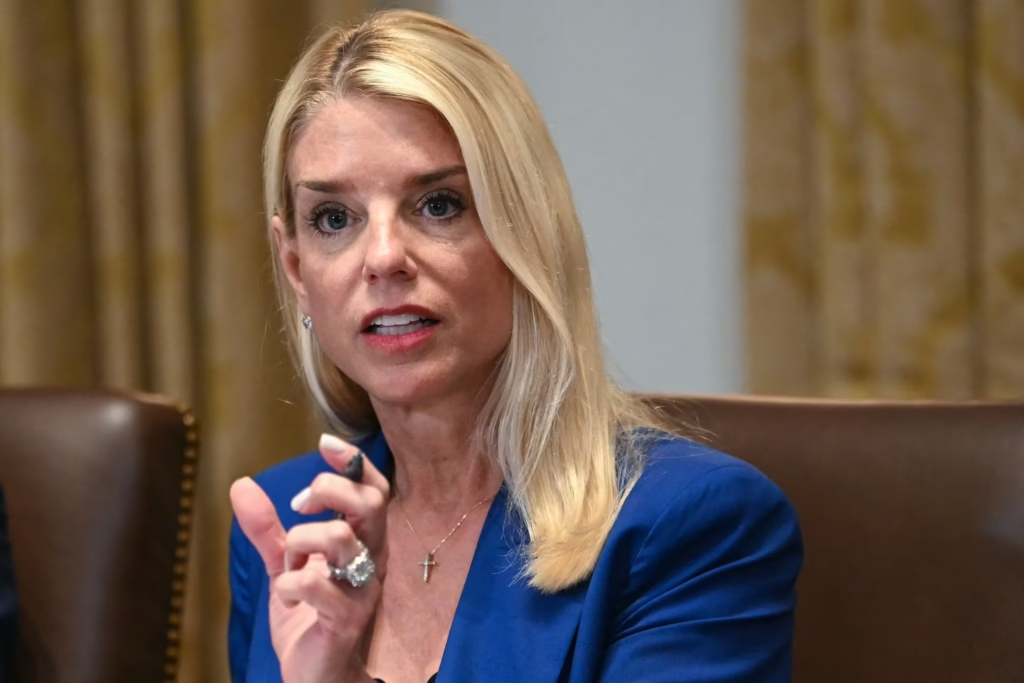
Since Bondi was confirmed in February, the Department of Justice has been in a state of constant upheaval. Under her direction, the department has systematically removed prosecutors involved in key Capitol riot cases and those who had investigated Trump. Senior FBI officials have also been pushed out.
The internal purge has been extensive. The Public Integrity Section, which handles public corruption cases, has been nearly emptied. More alarmingly, over 70% of the attorneys in the Civil Rights Division have departed, signaling a dramatic shift in the department’s priorities.
“The Weaponization Has Ended”
At her confirmation hearing, Bondi echoed Trump’s claims that the Biden DOJ had been “weaponized” against conservatives. She promised a new era of impartial justice.
“The partisanship, the weaponization will be gone,” she vowed. “America will have one tier of justice for all.”
Following Comey’s indictment, she appeared on Fox News with Sean Hannity to declare, “the weaponization has ended.” She issued a stark warning to a broad range of potential targets, including “a billionaire funding organizations to try to keep Donald Trump out of office,” stating, “everything is on the table.”

Bulldozing Traditional Independence
Traditionally, the Justice Department operates with a degree of independence from the White House to shield investigations from partisan politics. However, critics assert that this firewall has been completely dismantled.
Last month, Trump openly directed Bondi on social media to investigate his political adversaries, specifically naming New York Attorney General Letitia James, Senator Adam Schiff, and James Comey. “JUSTICE MUST BE SERVED, NOW!!!” Trump wrote.
The pressure appeared to yield direct results. Shortly before that post, the top federal prosecutor in the Eastern District of Virginia, Erik Siebert, was pushed out. Siebert’s office was leading the investigations into both James and Comey, and he had reportedly expressed concerns about the strength of the evidence.
He was replaced by Lindsey Halligan, a former insurance attorney and White House aide with no prior prosecutorial experience. Halligan swiftly sought and secured the indictment against Comey, overruling career prosecutors who questioned the case.
A “Sledgehammer” to the Rule of Law
The rapid changes and politically-charged actions have sparked a significant backlash. On the eve of Bondi’s testimony, a letter signed by nearly 300 former career DOJ employees was released by the group Justice Connection.
The letter delivers a powerful condemnation, stating that the department is failing to uphold the rule of law, keep the country safe, and protect civil rights. “The administration is taking a sledgehammer to other longstanding work the Department has done to protect communities and the rule of law, too,” the letter says.
It calls on current leaders to “remember the oath we all took to uphold the Constitution” and adhere to the legal norms vital to a functioning justice system.
As reported by NPR, the DOJ has not responded to requests for comment on the letter. Meanwhile, the fallout continues; several career prosecutors in the U.S. attorney’s office that handled the Comey case have since been fired, deepening concerns about a department where legal rigor is being replaced by political loyalty.








Table of Contents
Colorado vs Baylor: Buffaloes Seek Big 12 Redemption Against Bears
The Colorado Buffaloes are preparing for a challenging Big 12 Conference opener against the Baylor Bears on Saturday at McLane Stadium in Waco, Texas. Both teams enter the matchup with identical 2-1 records, but Colorado faces pressure to respond after a disappointing 41-7 loss to Northwestern.
For head coach Deion Sanders and the Buffaloes, the game represents an opportunity to reset their season and establish momentum in conference play. Baylor, meanwhile, will look to protect its home field and avoid a repeat of its heartbreaking overtime loss to Colorado in 2024.
The matchup brings back memories of last season’s dramatic contest, but both teams have undergone changes since then. Colorado’s identity has shifted toward a stronger running game and improved defensive performance, while Baylor will look to capitalize on its home-field advantage.
Colorado vs Baylor: Game Details
Here’s everything fans need to know about Saturday’s Big 12 matchup.
| Matchup Details | Information |
|---|---|
| Game | Colorado Buffaloes vs. Baylor Bears |
| Date | Saturday |
| Kickoff | 10:00 a.m. MT |
| Venue | McLane Stadium |
| Location | Waco, Texas |
| TV Coverage | ESPN2 |
| Radio | KOA 850 AM & 94.1 FM |
| Colorado Record | 2-1 |
| Baylor Record | 2-1 |
| All-Time Series | Colorado leads 10-7 |
Colorado Looks to Bounce Back After Northwestern Defeat
Colorado enters the Baylor game following a difficult 41-7 loss to Northwestern. The defeat exposed areas that the Buffaloes need to address, particularly on defense and in maintaining possession.
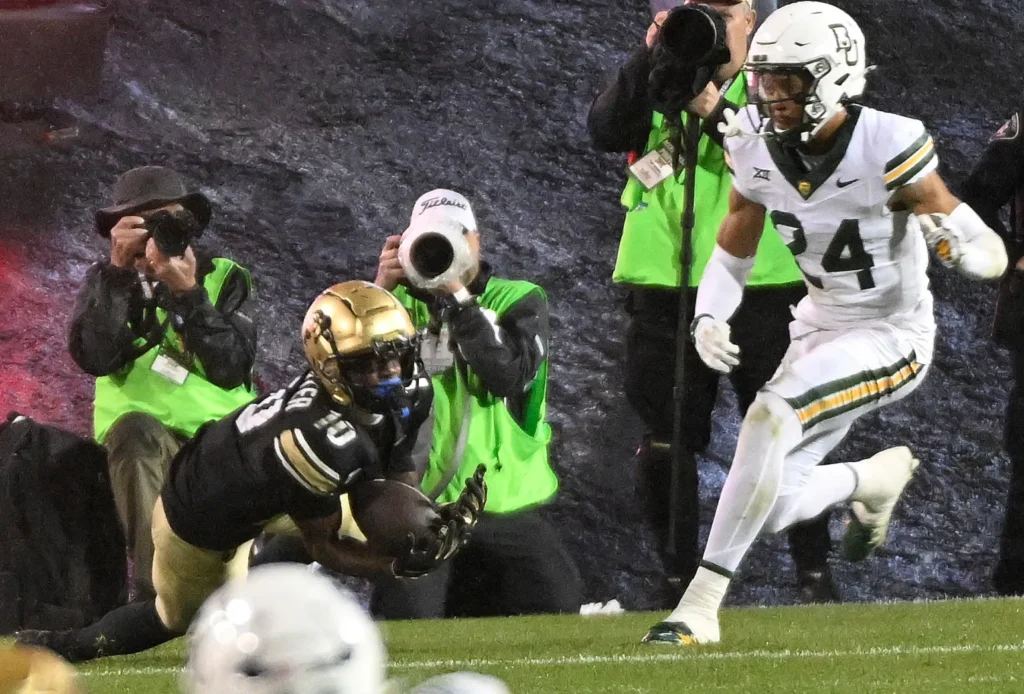
Despite the setback, Colorado has shown progress in its running game during the early part of the season. The Buffaloes have rushed for at least 180 yards in each of their first three games, averaging 4.5 yards per carry.
That improvement marks a notable change from last season, when Colorado averaged 3.5 yards per carry.
Against Northwestern, the Buffaloes averaged 5.5 yards per carry, even as the passing game and overall offensive execution struggled.
Colorado will need to build on that ground-game production against Baylor. Establishing a consistent rushing attack could help the offense control the tempo, reduce pressure on the quarterback, and keep the Bears’ defense on the field.
Colorado’s Defense Shows Signs of Improvement
While the Northwestern loss raised concerns, Colorado’s defensive numbers suggest progress compared with last season.
In 2024, the Buffaloes ranked near the bottom nationally against the run, allowing an average of 222.5 rushing yards per game.
Through their first three games this season, Colorado has reduced that figure to 120 rushing yards per game, while opponents are averaging 3.3 yards per carry.
The defense also delivered a strong performance against Georgia Tech, limiting the Yellow Jackets to just 51 rushing yards on 30 carries.
Defensive lineman Lamont Lester Jr. recorded three sacks in Colorado’s season opener, providing an early indication of the team’s potential to pressure opposing quarterbacks.
However, Northwestern exposed some weaknesses. The Wildcats rushed for 182 yards and controlled possession for nearly 37 minutes.
Against Baylor, Colorado’s defensive front will need to maintain discipline, limit rushing lanes, and prevent the Bears from controlling the clock.
Injury Concerns Could Affect Colorado’s Offense
Colorado will enter the game with several personnel concerns that could influence its offensive approach.
Running back Damian Henderson II is listed as doubtful, while offensive lineman Demetrius Hunter and tight end Charlie Williams are expected to miss the game.
Running back JaQuail Smith, who rushed for 91 yards on eight carries against Northwestern, is listed as probable after previously being considered questionable.
Smith’s availability could be particularly important as Colorado looks to maintain its improved rushing production.
The team will also be without players whom Sanders said were no longer part of the program. Colorado has not publicly identified those players, and the official roster had not been updated as of Thursday.
These changes add another layer of uncertainty as the Buffaloes prepare for their first conference game.
Baylor Remembers the Pain of the 2024 Loss
For Baylor, Saturday’s matchup carries memories of a difficult ending to the 2024 meeting between the teams.
Colorado defeated Baylor in overtime in a game that became one of the defining moments of the Buffaloes’ Big 12 campaign. The loss was particularly painful for Baylor head coach Dave Aranda.
Aranda later described the defeat as a “heart-wrenching loss” and said he continues to use the experience as a teaching point when discussing the importance of finishing games.
Reflecting on that contest, Aranda said the season could have unfolded differently if Baylor had finished the decisive play.
The Bears will have an opportunity to respond on their home field this time, with the 2024 result serving as a reminder of how small margins can determine the outcome of a game.
However, the teams have changed significantly since that meeting, making Saturday’s contest a fresh test for both programs.
Colorado’s New Identity Under Deion Sanders
The current Colorado roster looks different from the team that captured national attention in 2024.
That squad featured quarterback Shedeur Sanders and two-way star Travis Hunter, who went on to win the Heisman Trophy. Their ability to create explosive plays through the passing game helped define Colorado’s offensive identity.
This year’s team has placed greater emphasis on physical football, particularly in the running game and along the defensive line.
Sanders has also spoken about the changing nature of college football rosters in the transfer portal era.
He noted that players who once spent four or five years with a program now often move between schools much more frequently.
That turnover has made building continuity more challenging, especially for teams trying to establish a consistent identity.
Colorado’s matchup with Baylor will provide another opportunity to evaluate how effectively the Buffaloes can translate their physical style into conference success.
Former Colorado Players Add Another Storyline
Saturday’s game also features players who previously wore Colorado uniforms but now play for Baylor.
Wide receiver Dre’lon Miller and offensive lineman Cooper Lovelace are among the former Buffaloes now on the Bears’ roster.
Aranda has spoken about his conversations with Sanders regarding players who transferred between the programs.
Sanders has said the two coaches regularly discuss those players and that he has been straightforward when asked about them.
The presence of former teammates adds an interesting dimension to the matchup, particularly as both programs continue to navigate the transfer portal and roster changes.
Colorado vs Baylor: What to Watch
Several factors could shape the outcome of Saturday’s game.
1. Colorado’s Running Game
The Buffaloes have shown consistent improvement on the ground. Their ability to sustain drives and create manageable third-down situations will be important against Baylor.
2. Baylor’s Home-Field Advantage
Playing at McLane Stadium gives Baylor the benefit of its home crowd. The Bears will look to use that environment to establish early momentum.
3. Defensive Line Performance
Colorado’s defensive front has shown improvement, but it must contain Baylor’s rushing attack and avoid allowing long, time-consuming drives.
4. Turnovers and Game Management
After a difficult loss to Northwestern, Colorado will need to limit mistakes and maintain composure. Protecting the football and finishing drives could prove decisive.
Colorado vs Baylor: A Defining Early-Season Test
Colorado’s Big 12 opener against Baylor offers both teams an opportunity to establish their direction for the conference season.
The Buffaloes are looking to put the Northwestern defeat behind them and build on the progress shown in their running game and defensive performance.
Baylor, meanwhile, will seek to take advantage of home-field conditions and avoid another painful finish against Colorado.
The teams enter the game with matching 2-1 records, and their recent history adds another layer of intrigue to the matchup.
For Colorado, the challenge is clear: turn the lessons from its latest defeat into a more disciplined and complete performance.
Saturday’s game in Waco will provide an early indication of how the Buffaloes respond when conference play begins.

Table of Contents:
Bills vs Lions: Thrilling Opener, Tough Test Ahead Tonight!!!
The Bills vs Lions match up is set to headline Thursday Night Football as two unbeaten teams meet in Buffalo for a highly anticipated Week 2 showdown. Both the Buffalo Bills and Detroit Lions enter the game with 1-0 records after dramatic victories in Week 1. (FOX Sports)
Bills vs Lions Set for New Highmark Stadium Debut
The Detroit Lions will travel to Orchard Park to face the Buffalo Bills at the new Highmark Stadium. Thursday’s game marks the first regular-season NFL contest at the new venue, adding another storyline to an already significant matchup. Kickoff is scheduled for 8:15 p.m. ET, with Amazon Prime Video carrying the national broadcast. (Buffalo Bills)
The Bills enter the matchup after a 36-31 road victory over the Houston Texans. Josh Allen was central to the win, producing a four-touchdown performance as Buffalo rallied late to secure the victory. Tight end Dalton Kincaid also made a major impact with 130 receiving yards. (Syracuse)
Detroit also survived a close opening-week battle, defeating the New Orleans Saints 31-30 in overtime. Jahmyr Gibbs played a major role for the Lions, while Jared Goff and Detroit’s passing attack will now face a Buffalo defense that allowed 31 points in Week 1. (FuboTV)
Josh Allen and Jared Goff Take Center Stage
One of the biggest attractions of the Bills vs Lions game is the quarterback matchup between Josh Allen and Jared Goff.
Allen enters the contest after an impressive opening performance against Houston, while Goff helped guide Detroit through an overtime thriller against New Orleans. Both quarterbacks have experienced offenses around them, creating the potential for another high-scoring Thursday night contest. (Syracuse)
Detroit can also lean heavily on Gibbs, who rushed for 156 yards and two touchdowns against the Saints. Buffalo, meanwhile, will look to James Cook and its passing weapons to maintain offensive momentum. (LegalSportsBetting.com)
Injury Concerns Add Another Layer
The short turnaround could make injuries particularly important.
Buffalo listed safety Cole Bishop, running back Ty Johnson and defensive lineman T.J. Sanders as questionable for Thursday night’s game. Linebacker Terrel Bernard was limited in practice but did not receive an injury designation. (Buffalo Bills)
Detroit also has injury concerns heading into the matchup. Offensive lineman Christian Mahogany and cornerback D.J. Reed were among the players carrying injury designations, while Detroit’s offensive line has been an important area to monitor after the Week 1 overtime win. (Dimers)
A High-Profile Week 2 Showdown

The Bills vs Lions game brings together two teams that started the 2026 season with victories but also showed areas that need improvement.
Buffalo demonstrated offensive firepower in Houston but allowed 31 points. Detroit scored 31 against New Orleans but surrendered a 21-point lead before needing overtime to finish the victory. Those contrasting strengths and weaknesses could make Thursday’s matchup particularly intriguing. (LegalSportsBetting.com)
For fans looking for official viewing information, the Buffalo Bills’ official game guide provides television, streaming and radio details. (Buffalo Bills)
As the Bills prepare for their first regular-season game inside the new Highmark Stadium, the Lions arrive with momentum of their own. With both teams unbeaten, the Bills vs Lions clash has all the ingredients of an important early-season NFL matchup.

Table of Contents:
Maria Bartiromo Leaves Fox News After 12 Years

Maria Bartiromo, one of the most recognizable names in American business television, is leaving Fox News Media after more than 12 years with the company.
Fox News Media announced on September 3, 2026, that Bartiromo is no longer with the network, effective immediately. The company thanked her for her 12½ years of work and wished her well in the next chapter of her career. Fox did not give a reason for the departure.
The announcement came as a surprise to many viewers because Bartiromo had been a familiar presence on both Fox Business Network and Fox News.
What Happened to Bartiromo?
Bartiromo’s final episode of Mornings with Maria aired Thursday morning. Beginning Friday, the program will become Mornings with FOX Business and will use rotating anchors.
Her weekly program,Bartiromo’s Wall Street, will also receive a new name: FBN’s Wall Street. Cheryl Casone will host the program initially, with other anchors expected to rotate into the position.
Meanwhile, Sunday Morning Futures will be hosted by Jason Chaffetz this Sunday while Fox News considers a permanent replacement.
A Remarkable Career on Wall Street:
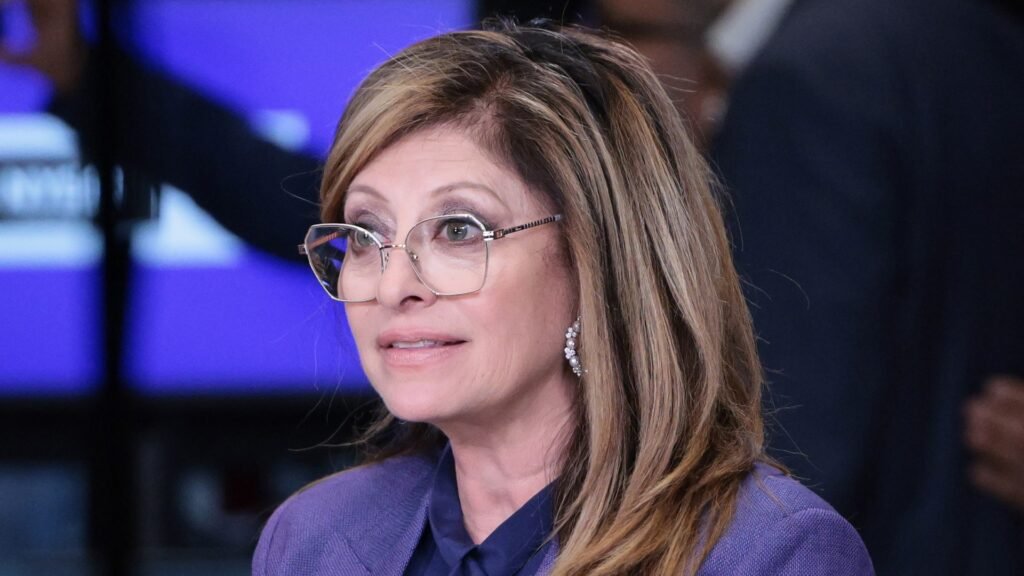
Although her Fox departure is a major change, Bartiromo has already built an extraordinary career in financial journalism.
Before joining Fox Business in 2014, she spent about two decades at CNBC. She became particularly well known for her work covering Wall Street and financial markets.
In 1995, Bartiromo became the first journalist to report live regularly from the floor of the New York Stock Exchange. The achievement helped establish her as a pioneering figure in television financial journalism.
Over her career, she has interviewed major business and political figures and received numerous awards, including two Emmy Awards and a Gracie Award. She was also inducted into the Cable Hall of Fame in 2011.
An Uncertain but Promising Next Chapter

The biggest unanswered question is what Maria Bartiromo will do next.
Fox News has not publicly explained why the relationship ended, and Bartiromo had not publicly commented on the announcement at the time of the initial reports. That leaves considerable uncertainty surrounding her immediate plans.
Despite the abrupt ending, her long career gives her several possible paths. She could return to financial broadcasting, expand her writing and commentary work, or pursue another role in media and business.
For now, her departure marks the end of an important era at Fox Business. But given Bartiromo’s experience, influence and long-standing presence in financial journalism, this may be less of an ending than the beginning of a new chapter.
Why Maria Bartiromo Remains Important

Maria Bartiromo has spent decades helping audiences understand markets, business and economic policy. From her pioneering work at the New York Stock Exchange to her years at CNBC and Fox, she has remained a prominent figure in American financial media.
Her sudden exit from Fox News may be disappointing for longtime viewers, but her career record suggests that her influence is unlikely to disappear anytime soon.
The next move from Maria Bartiromo could therefore be one of the most closely watched developments in financial media.


Colorado vs Baylor: Buffaloes Face Crucial Big 12 Test in Waco

Bills vs Lions: Thrilling Opener, Tough Test Ahead Tonight!!!

Maria Bartiromo’s Stunning Exit Brings New Hope for Her Future

New Movies Streaming – 6 Must-Watch New Movies & Shows Streaming This Weekend (July 18 – 20)

Hollie Strano’s Incredible Comeback: 1 New Radio Gig After WKYC Exit

911 outage – Pennsylvania experiencing problems with 911 calls statewide
-
 Entertainment1 year ago
New Movies Streaming – 6 Must-Watch New Movies & Shows Streaming This Weekend (July 18 – 20)
-
 News1 year ago
Hollie Strano’s Incredible Comeback: 1 New Radio Gig After WKYC Exit
-
 News1 year ago
911 outage – Pennsylvania experiencing problems with 911 calls statewide
-
 News1 year ago
Type 1 Diabetes Barbie Doll – A Step Toward Inclusivity in Toys
-

 Entertainment11 months ago
Donna Jean Godchaux – Heartbreaking Loss: Music Legend Dies at 78
-

 Sports1 year ago
Liverpool vs Athletic Club: Squad Update – Van Dijk, Bradley, Alisson, Gomez Ruled Out
-

 News1 year ago
NYC Subway Flood – Live Updates: NYC Subway Flood Disrupts Commute After Flash Flooding
-

 News1 year ago
Jannik Sinner and Carlos Alcaraz set for Wimbledon final showdown after semifinal wins