
Politics
Sara Rodriguez Announces Bid for Wisconsin Governor: A New Hope for Healthcare and Education

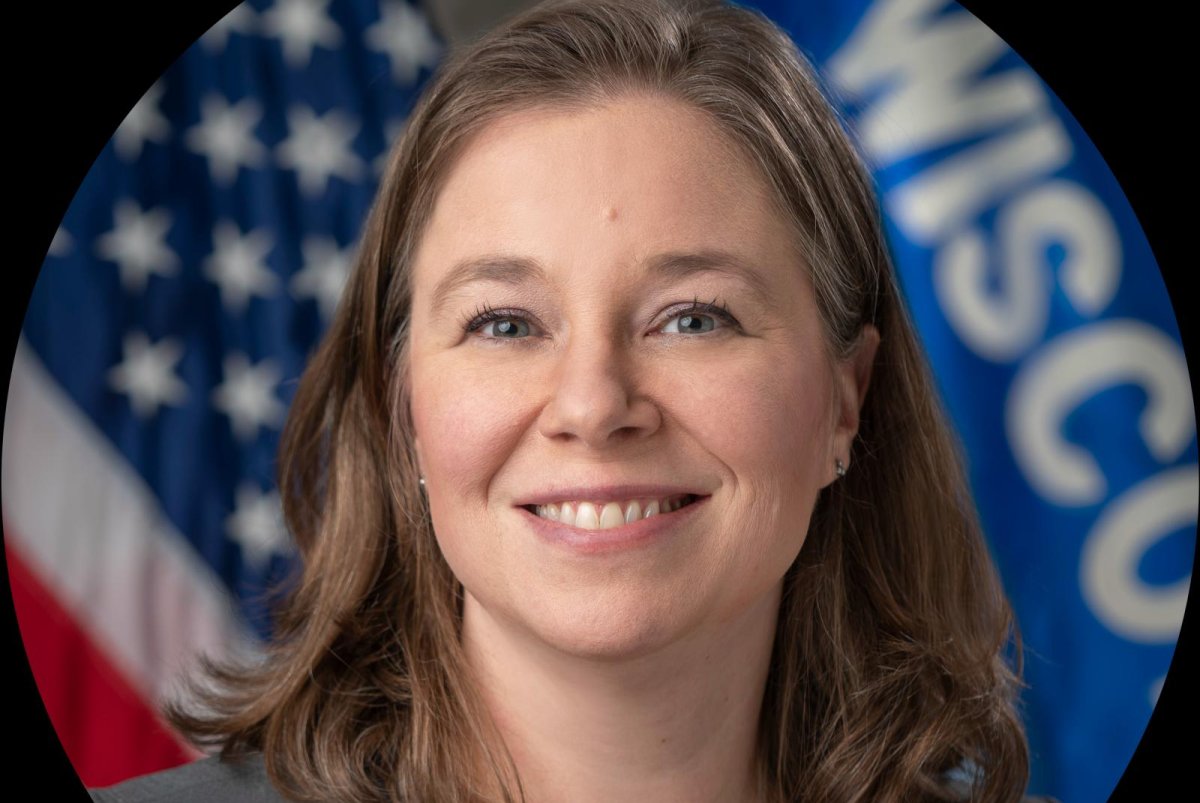
Table of Contents
Wisconsin Lt. Gov. Sara Rodriguez Enters Crowded Democratic Primary for Governor
Wisconsin Lt. Gov. Sara Rodriguez officially launched her gubernatorial campaign on Friday, becoming the first Democrat to enter what is expected to be a highly competitive primary to replace the retiring Gov. Tony Evers.
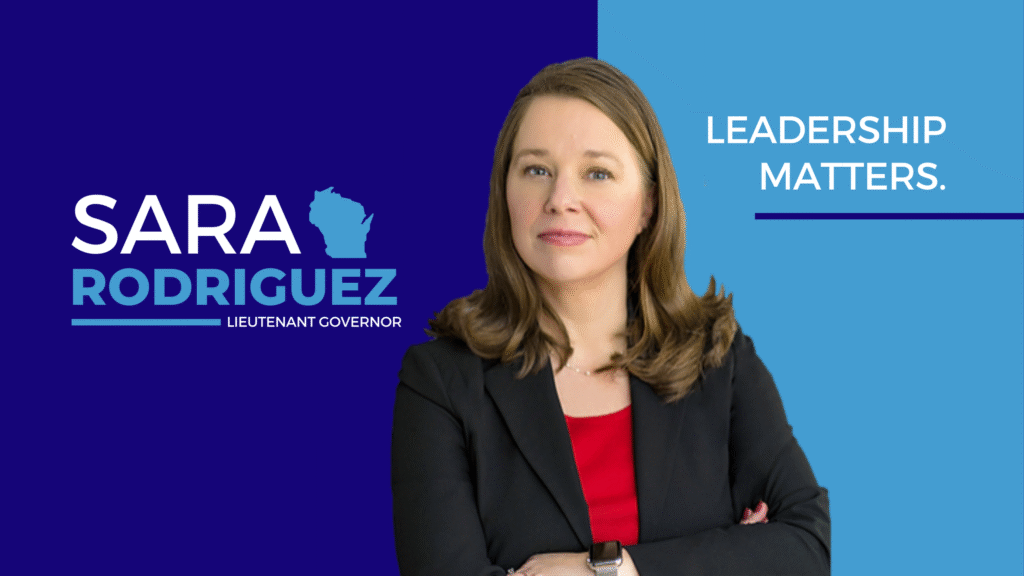
A former emergency room nurse, healthcare executive, and state legislator, Rodriguez is positioning herself as a champion for Medicaid expansion, teacher pay raises, and economic support for farmers and small businesses. Her campaign announcement video highlighted her healthcare background and criticized former President Donald Trump’s policies, while calling for a stronger Wisconsin under Democratic leadership.
Key Issues in Sara Rodriguez’s Campaign
1. Expanding Medicaid in Wisconsin
Rodriguez made Medicaid expansion a central issue in her campaign, pointing out that 41 other states have already done so.
“Our legislature refuses to expand Medicaid, even though it would help thousands of families and boost our healthcare workforce,” she said in her announcement. “With a Democratic governor, we can finally make this happen.”
2. Raising Pay for Public School Teachers
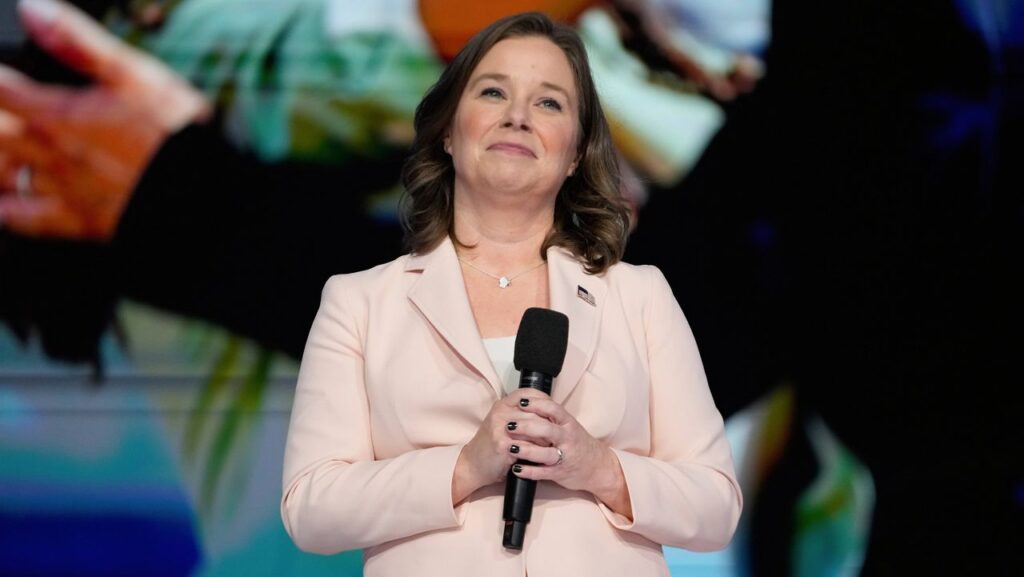
Another major focus of Rodriguez’s campaign is education reform, including higher salaries for teachers and increased funding for public schools.
“Our teachers deserve better pay, and our kids deserve better resources,” she emphasized.
3. Supporting Farmers, Unions, and Small Businesses
Rodriguez also pledged to strengthen Wisconsin’s agriculture sector and support unions and small businesses, criticizing Trump’s tariffs for harming local farmers.
Who is Sara Rodriguez?
Before entering politics, Rodriguez worked as an ER nurse, later transitioning into healthcare leadership and serving in the Wisconsin State Assembly. Her campaign video highlights her journey from healthcare to public service, framing her as a pragmatic leader with real-world experience.
A Crowded Democratic Primary Ahead
With Gov. Evers stepping down, the Democratic field is expected to grow. Potential contenders include:
- Attorney General Josh Kaul
- Milwaukee County Executive David Crowley
- State Sen. Kelda Roys
- Milwaukee Mayor Chevy Johnson
Republicans Gear Up for Their Own Battle
On the GOP side, several high-profile figures are considering a run, including:
- Former Gov. Scott Walker, who hinted at a possible return with a “Make Wisconsin Great Again” hat post
- Rep. Tom Tiffany, who has expressed interest
- Business executive Bill Berrien, already in the race
Why Sara Rodriguez’s Campaign Matters
Wisconsin remains a critical battleground state, with Trump winning it by a razor-thin margin in 2024. Rodriguez’s focus on healthcare, education, and economic fairness could resonate with voters looking for a progressive yet practical leader.
What’s Next for the Wisconsin Governor’s Race?
As the 2026 election cycle heats up, Sara Rodriguez’s early entry gives her a head start in fundraising and name recognition. However, with multiple strong candidates likely joining the race, the primary will be fiercely contested.
Will Sara Rodriguez’s healthcare background and policy priorities be enough to win over Wisconsin voters? Only time will tell, but one thing is certain—this race will be one to watch.

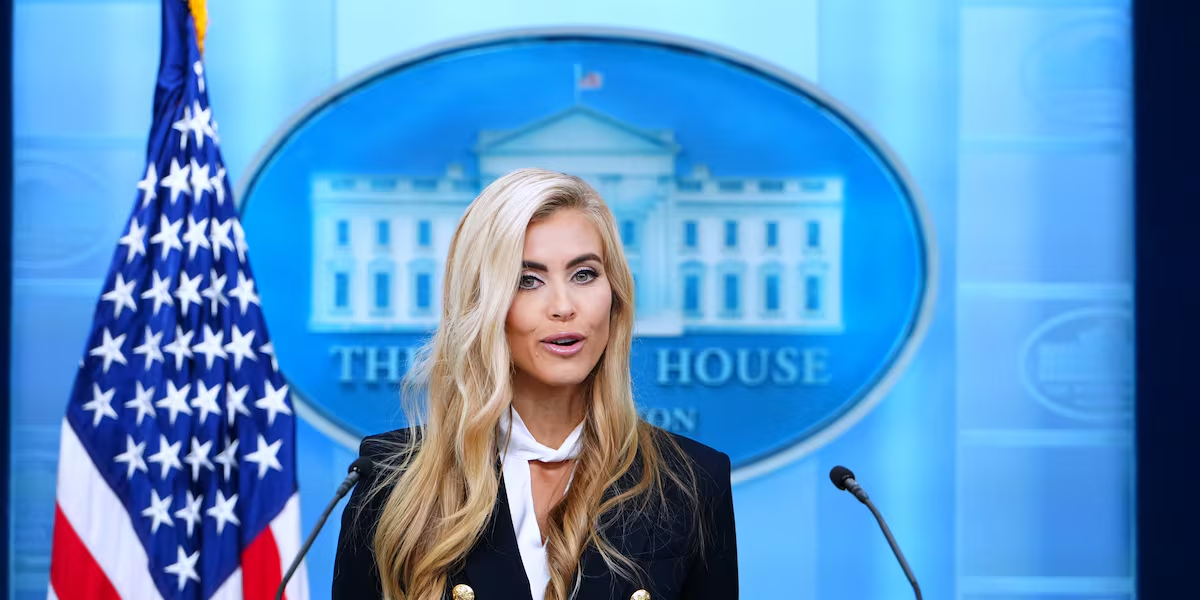
Table of Contents:
Katie Zacharia: 5 Shocking Setbacks After a Powerful Rise
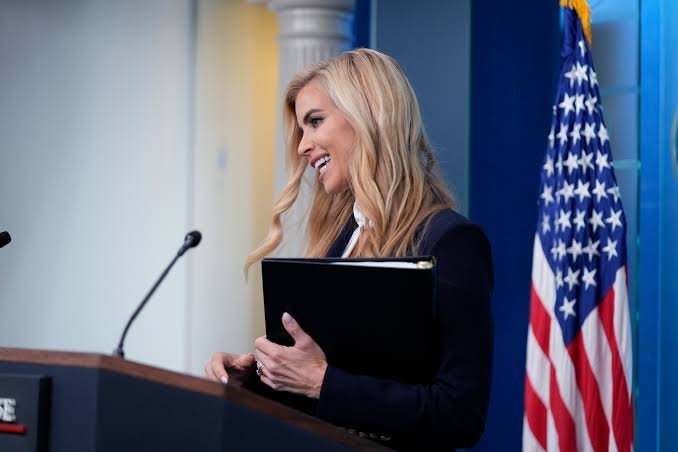
Katie Zacharia has become a major topic in U.S. political news after a dramatic start to her tenure as White House press secretary. Her appointment brought fresh attention to her political communications career, but questions about her legal credentials and a reported departure from the position have quickly overshadowed her rise.
Who Is Katie Zacharia?
Katie Zacharia is a political communications professional who has worked as a conservative media commentator and communications adviser. Her previous roles include work with Trump Media & Technology Group and the U.S. Department of Homeland Security.
She attended Pepperdine University, earning an undergraduate degree in 2007 and a law degree in 2011, according to the university. Before joining the White House, she also appeared on Fox News and Newsmax, discussing political issues and conservative policy positions.
President Donald Trump announced her appointment on October 9, 2026, selecting her to replace Karoline Leavitt as White House press secretary.
Katie Zacharia’s White House Appointment Draws Attention
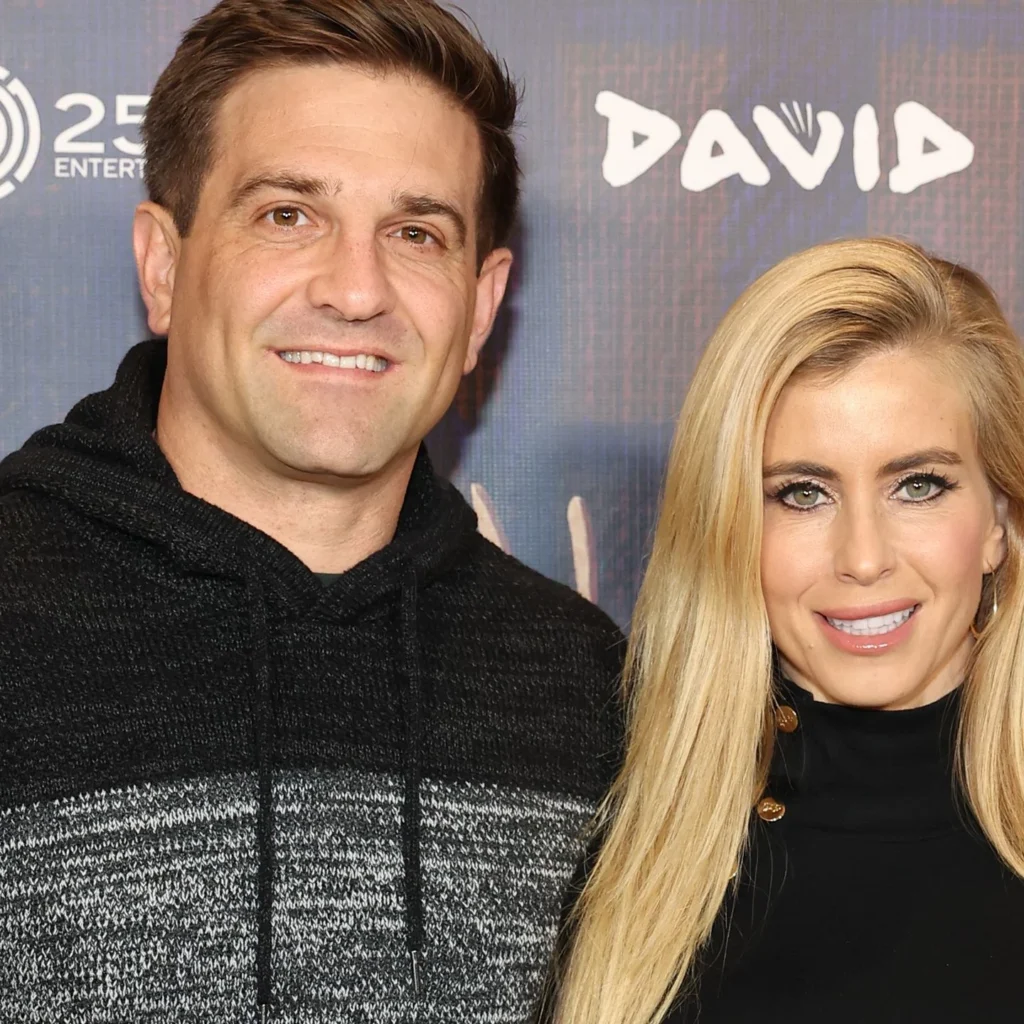
Zacharia’s appointment placed her in a highly visible role responsible for communicating the administration’s positions, answering journalists’ questions and presenting the president’s agenda to the public.
Her first briefing took place on October 13. The appearance lasted approximately 14 minutes and included a brief opening statement and questions from a limited number of media outlets.
While Trump publicly praised her performance, the short briefing and the questions surrounding her background soon became major subjects of political discussion.
Read the Associated Press report on Katie Zacharia’s first White House briefing for additional context.
Legal Credentials Become a Major Controversy
One of the biggest challenges facing Zacharia has involved how she has described her legal background.
Although she graduated from Pepperdine’s law school, reports raised questions about whether she had passed a U.S. state bar examination and held a license to practice law.
On October 15, CBS News reported that Zacharia acknowledged she had taken the California bar exam but had not passed it. She defended her description of her professional experience, saying she had worked in international transactional law and disputed the suggestion that she had misrepresented her background.
The distinction matters because earning a law degree does not automatically authorize someone to practice law in the United States. The rules governing the use of professional titles can also depend on the relevant jurisdiction and circumstances.
The controversy prompted a watchdog complaint seeking scrutiny of her descriptions of her credentials. The existence of a complaint does not, by itself, establish that a legal violation occurred.
For more details, read the CBS News report on Zacharia’s bar-exam disclosure.
Reports of a Sudden Departure Raise New Questions
On October 16, Reuters reported that Zacharia had been dismissed from her position as White House press secretary after only a few days in the role. The report described President Trump as having advised her to reconsider the position amid the intense pressure and public scrutiny surrounding the job.
If confirmed by further official statements, the reported departure would mark an unusually short tenure for a senior White House communications official.
The developments also highlight the pressures that come with serving as the administration’s public spokesperson, where media scrutiny, political messaging and rapid responses to breaking events are central responsibilities.
Read the Reuters report on the latest Katie Zacharia developments.
What Katie Zacharia’s Story Means for Political Communications
Zacharia’s brief time in the spotlight illustrates how quickly a political appointment can become a wider debate about professional qualifications, public trust and accountability.
For a White House press secretary, credibility is particularly important. The role requires communicating policy clearly, responding to difficult questions and maintaining confidence among journalists and the public.
Her situation also demonstrates the importance of distinguishing between verified facts, allegations and political reactions. As further information emerges, official statements and reliable reporting will be essential to understanding the full circumstances of her reported departure.
Conclusion: A Rapid Rise Followed by Serious Challenges:
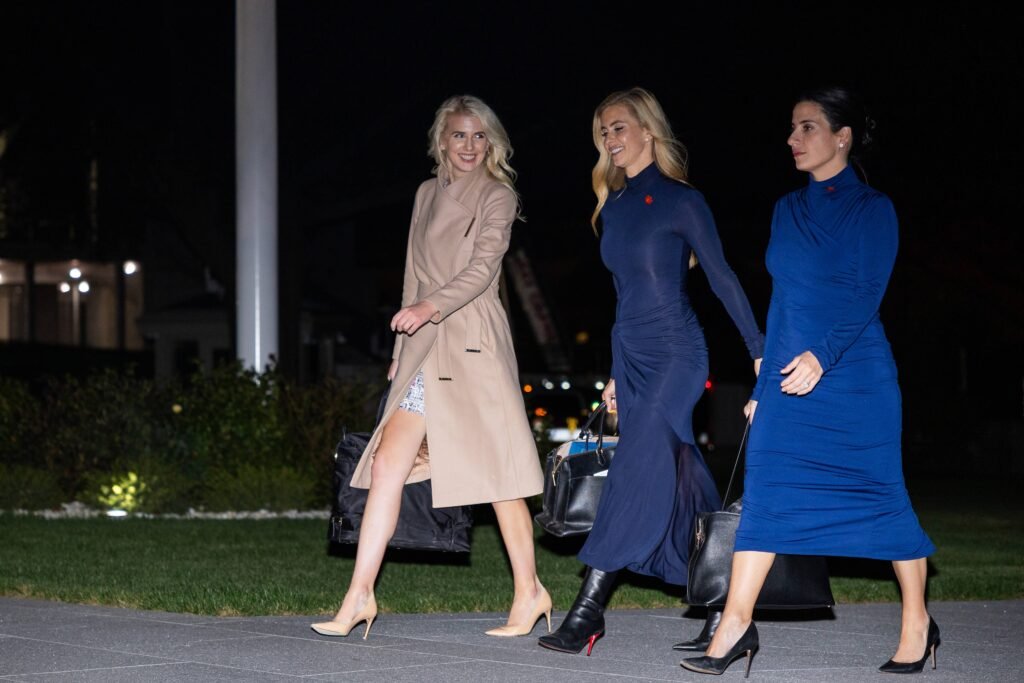
Katie Zacharia’s rise to the White House press secretary position initially marked a significant career milestone. However, questions about her legal credentials, scrutiny of her first briefing and reports of her dismissal have turned the appointment into a major political story.
The episode is a reminder that experience, communication skills and public credibility all play important roles in high-profile government positions. Further confirmed details may clarify the circumstances surrounding her short tenure and what comes next for her career.
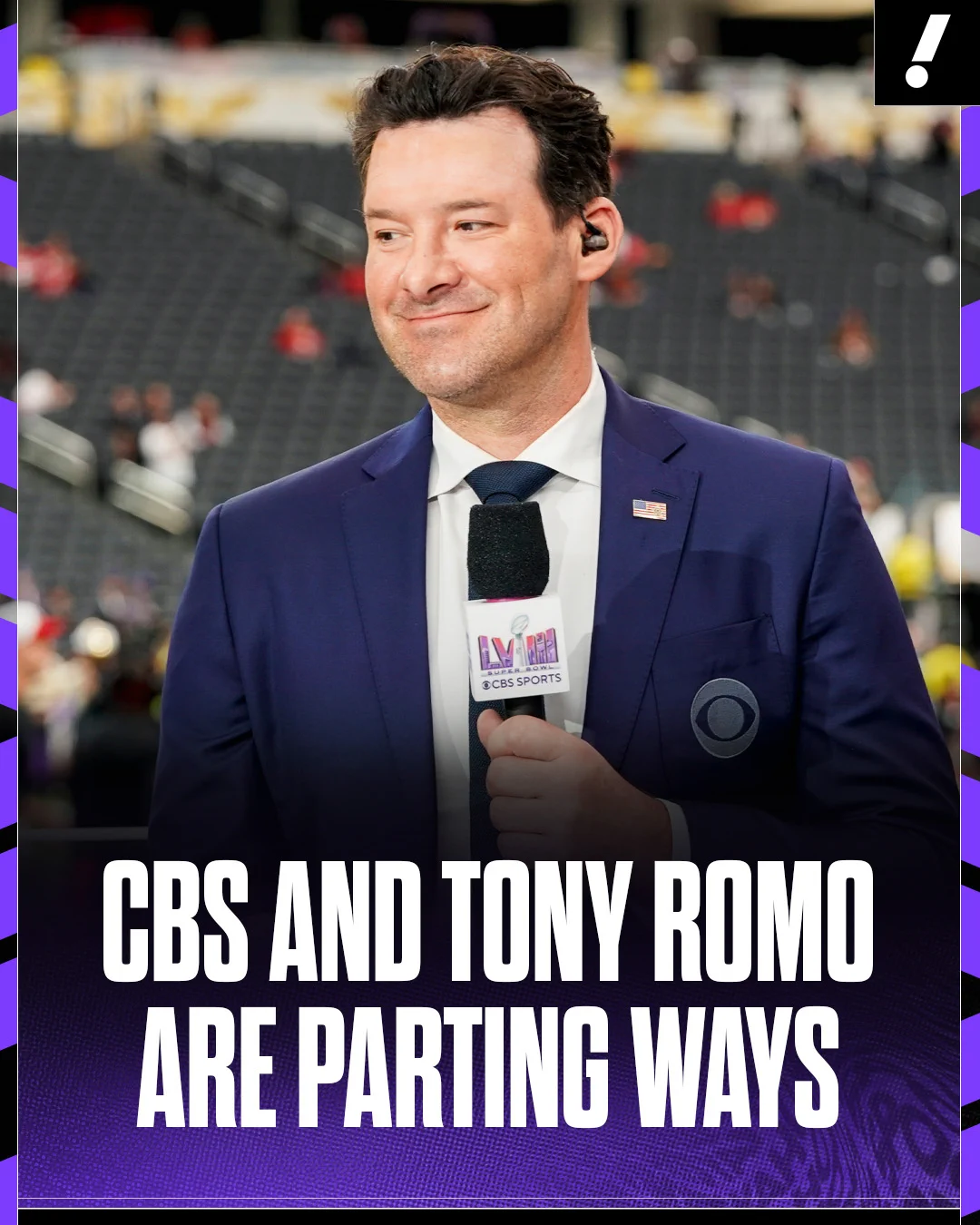
Table of Contents
Shocking Departure: Tony Romo and CBS Sports Officially Cut Ties After Arrest
The landscape of NFL broadcasting has shifted dramatically. CBS Sports and lead game analyst Tony Romo have officially agreed to part ways. This massive news comes on the heels of Romo’s high-profile July arrest in Milwaukee for operating a vehicle while intoxicated (OWI).
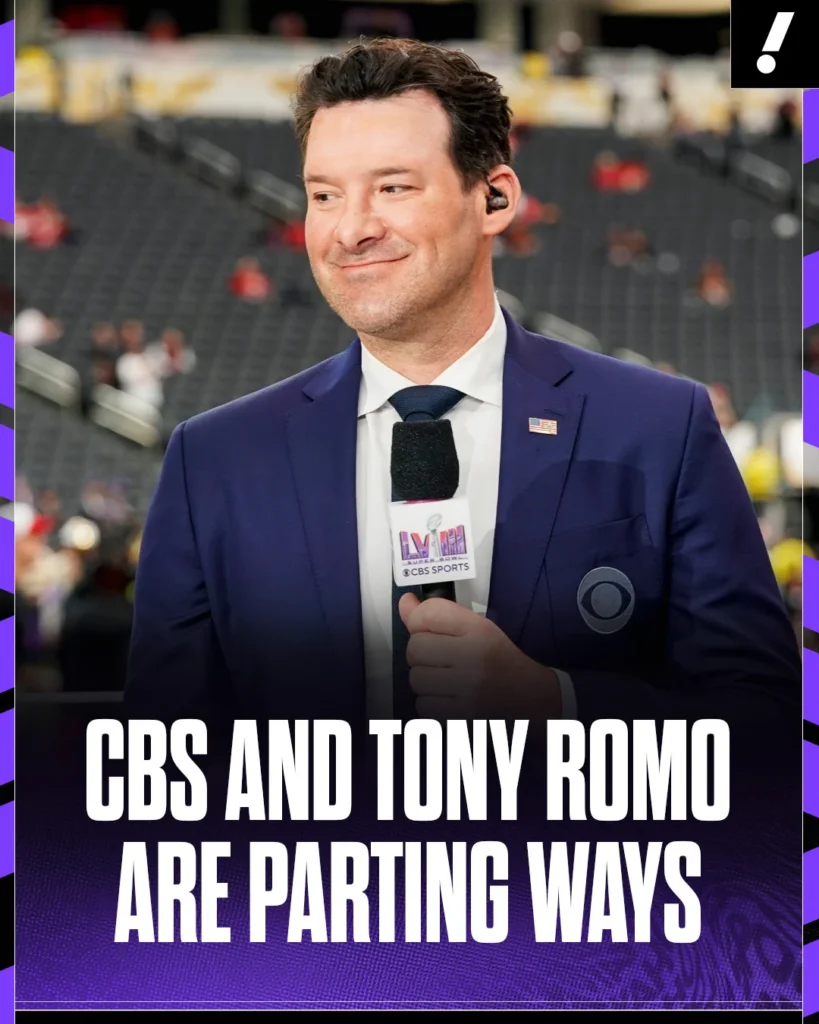
The former Dallas Cowboys star quarterback had spent nine successful years inside the network’s top broadcast booth alongside Jim Nantz. However, following intense scrutiny and an indefinite leave of absence at the start of the season, both sides decided a permanent separation was necessary.
The Incident and Legal Aftermath
The controversy began late in the evening on July 23, when Romo was pulled over by law enforcement during a traffic stop south on Interstate 43 in Wisconsin. According to Milwaukee County court records and police body camera footage, arresting officers detected a strong odor of alcohol, and Romo subsequently performed poorly on standard field sobriety tests.
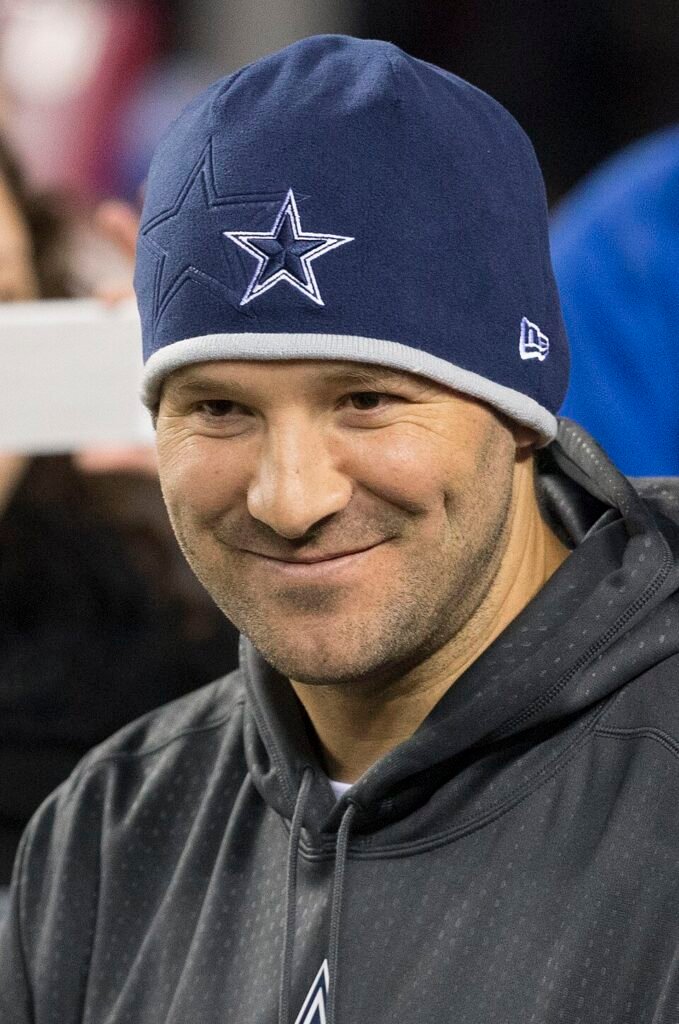
On September 1, Romo entered a plea of no contest. The legal consequences included:
- Revocation of his driving privileges for a duration of six months.
- Mandatory installation of an ignition interlock device on any vehicle registered or operated by him.
- Required completion of an approved alcohol assessment program.
- Payment of a $784 court fine.
Following his court appearance, Romo took to social media to address the public head-on. He opened up about the personal battles he faced following his retirement from the NFL in 2016. Romo explained that multiple back surgeries during his playing days left him dealing with constant, debilitating pain. That physical agony ultimately triggered a reliance on prescription pain medication, which later spiraled into an over-reliance on alcohol as he attempted to break free from the pills.
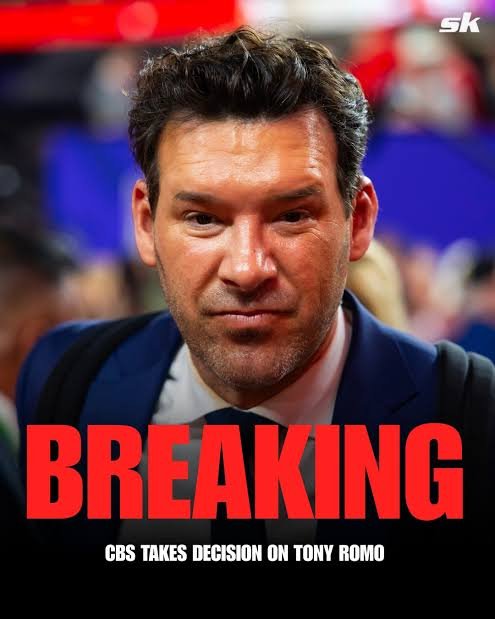
“None of this is an excuse,” Romo shared in a public statement. “These are my failures and I take responsibility for them.”
Network Response and the Future of the Broadcast Booth
In the wake of Romo’s initial suspension and subsequent departure, CBS Sports moved swiftly to restructure its broadcast team. Former NFL defensive powerhouse J.J. Watt, who stepped in as an interim analyst when Romo was first sidelined, will continue permanently as the network’s lead game analyst alongside play-by-play voice Jim Nantz.
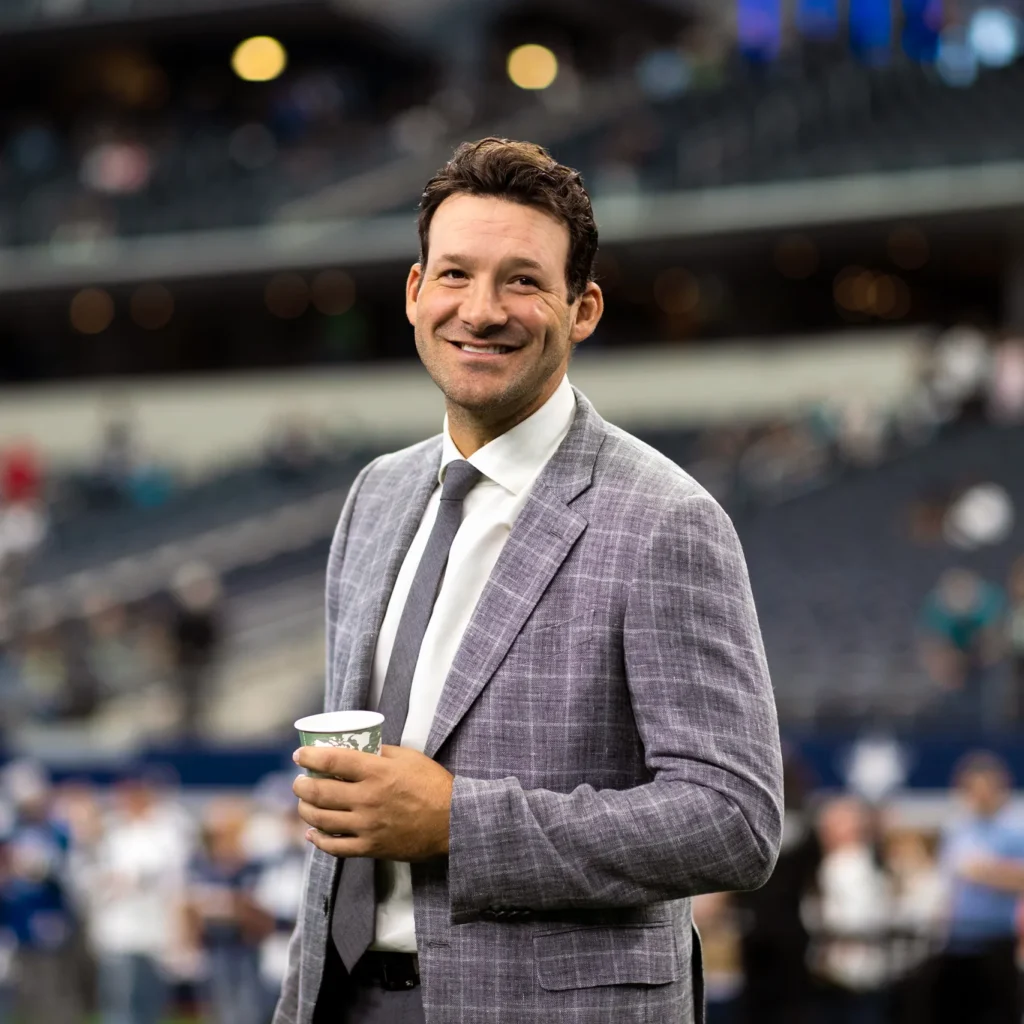
Romo expressed gratitude for his nearly decade-long tenure in the broadcast booth:
“I’m proud of what I accomplished at CBS Sports over the last nine years… I’m going to use this time to take a break, something I’ve never done before, and focus on my health and my family before moving on to my next opportunity.”
At 46 years old, Romo steps away from sports media to focus entirely on his rehabilitation, leaving behind an influential legacy both as a Pro Bowl quarterback for Dallas and as one of the most recognizable voices in modern football broadcasting.
Table of Contents:
Shamell Naquan Joyner Jury Evidence: Shocking Trial Twist :

Shamell Naquan Joyner Jury Evidence: Jury’s Unexpected Discovery Raises Questions
A dramatic turn unfolded in the federal trial of Shamell Naquan Joyner after jurors reportedly discovered items hidden inside evidence that had not been identified by investigators, prosecutors, or the defense before deliberations began. The unexpected finding sparked debate about evidence handling while also highlighting the jury’s careful review of the case. (The Daily Beast)
Although the discovery surprised everyone in the courtroom, the judge instructed jurors not to consider the newly found items as evidence because they had not been formally introduced during the trial. (The Daily Beast)
What Happened During Jury Deliberations?
According to court proceedings, jurors examining clothing that had been admitted into evidence found a Chinese yuan banknote and a small amount of white powder inside pockets that had apparently gone unnoticed throughout the investigation and trial. (The Daily Beast)
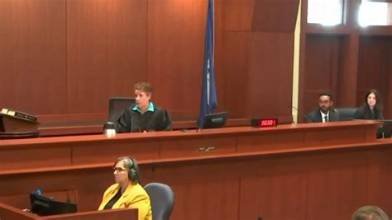
The discovery immediately paused deliberations, prompting U.S. District Judge Rudolph Contreras to question each juror individually to ensure they could remain impartial and disregard the newly discovered items. The judge emphasized that these materials were not part of the official evidence presented at trial. (The Daily Beast)
Charges Against Shamell Naquan Joyner
Federal prosecutors accused Shamell Naquan Joyner of multiple serious offenses connected to a series of robberies and carjackings that allegedly occurred in Washington, D.C., Maryland, and Virginia during 2023.
The superseding indictment included charges such as:
- Hobbs Act robbery
- Armed carjacking
- Interstate transportation of stolen vehicles
- Brandishing and discharging a firearm during violent crimes
- Possession of a firearm by a convicted felon
These charges formed part of a 28-count federal indictment. (Department of Justice)
Judge Responds to Evidence Oversight
Judge Rudolph Contreras openly expressed surprise that the hidden items had not been discovered during the investigation.
Despite the unusual circumstances, each juror confirmed they could ignore the newly found materials and continue deliberating solely on the evidence properly admitted during trial. (The Daily Beast)
Legal experts noted that while evidence oversights are uncommon, judges have procedures available to prevent such discoveries from unfairly influencing a verdict.
Jury Verdict
After resuming deliberations, the jury reached a mixed verdict.
According to court reports:
- The jury convicted Joyner on 13 of the 28 federal charges.
- Jurors were unable to reach unanimous decisions on the remaining 15 counts, resulting in a partial deadlock.
- The convictions carry a lengthy mandatory minimum prison sentence under federal law. (The Daily Beast)
The split verdict illustrates that jurors carefully evaluated each charge independently rather than issuing an all-or-nothing decision.
Why the Discovery Matters
The incident has generated significant discussion among legal professionals because the overlooked items remained inside evidence throughout the investigation, pretrial review, and courtroom proceedings.
The case highlights several important issues:
- Proper evidence handling
- Chain-of-custody procedures
- Jury responsibility
- Judicial safeguards protecting fair trials
Although the discovery created headlines, the judge’s instructions were designed to ensure that the verdict rested only on legally admitted evidence. (The Daily Beast)
Broader Impact on the Justice System
Cases involving unexpected courtroom developments often lead to renewed discussions about investigative procedures and evidence management.
Legal observers say this trial demonstrates two important realities:
- Careful jurors can identify issues that others may overlook.
- Courts have safeguards intended to preserve fairness even when unexpected events occur.
Whether additional legal motions or appeals follow remains to be seen.
Official Resources
- U.S. Department of Justice – U.S. Attorney’s Office for the District of Columbia
- Federal Court Opinion (United States v. Joyner)
Conclusion:
The Shamell Naquan Joyner jury evidence case has drawn national attention because of an extraordinary courtroom moment in which jurors uncovered items that had escaped notice throughout the investigation. While the discovery exposed shortcomings in evidence handling, the court took immediate steps to protect the integrity of the trial. The resulting mixed verdict underscores the importance of impartial juries, judicial oversight, and strict adherence to courtroom procedures in the American justice system.


Spurs vs Palace: 5 Dramatic Twists as Tottenham Strike Back

Katie Zacharia: 5 Shocking Setbacks After a Powerful Rise

Shane Gillis SNL Monologue: 5 Shocking Moments Spark Backlash

New Movies Streaming – 6 Must-Watch New Movies & Shows Streaming This Weekend (July 18 – 20)

Hollie Strano’s Incredible Comeback: 1 New Radio Gig After WKYC Exit

911 outage – Pennsylvania experiencing problems with 911 calls statewide
-
 Entertainment1 year ago
New Movies Streaming – 6 Must-Watch New Movies & Shows Streaming This Weekend (July 18 – 20)
-
 News1 year ago
Hollie Strano’s Incredible Comeback: 1 New Radio Gig After WKYC Exit
-
 News1 year ago
911 outage – Pennsylvania experiencing problems with 911 calls statewide
-
 Entertainment12 months ago
Donna Jean Godchaux – Heartbreaking Loss: Music Legend Dies at 78
-
 News1 year ago
Type 1 Diabetes Barbie Doll – A Step Toward Inclusivity in Toys
-

 Sports1 year ago
Liverpool vs Athletic Club: Squad Update – Van Dijk, Bradley, Alisson, Gomez Ruled Out
-

 News1 year ago
NYC Subway Flood – Live Updates: NYC Subway Flood Disrupts Commute After Flash Flooding
-

 News1 year ago
Jannik Sinner and Carlos Alcaraz set for Wimbledon final showdown after semifinal wins